

When it comes to wealth and power, ownership isn’t always what it seems. While most people measure success by what they accumulate—houses, cars, businesses—the ultra-wealthy play by a different rulebook. They operate with a strategy that can feel counterintuitive: own nothing, control everything. But how exactly does this work? Let’s dive into the strategies that allow these individuals to wield influence without traditional ownership.
The Power of Trusts and Shell Companies

The ultra-wealthy leverage trusts and shell companies to distance themselves from ownership, reducing exposure to personal liabilities and taxes. A trust holds assets on behalf of beneficiaries, providing control over those assets without direct ownership. Shell companies act as holding entities, creating layers of separation that obscure ownership while maintaining influence.
This setup ensures that their wealth is insulated from legal challenges, creditors, or public scrutiny. For example, Jeff Bezos’ personal wealth might seem straightforward, but many of his holdings are tied up in intricate structures that minimize his tax obligations and safeguard his investments.
Asset Leasing and Borrowing Against Wealth

Instead of outright ownership, many ultra-wealthy individuals lease assets like private jets or mega-yachts. This strategy helps them maintain access to luxuries without taking on the depreciating burden of ownership. By renting high-end assets or borrowing against them, they maintain liquidity while avoiding large upfront investments.
A notable example is Elon Musk, who has been known to use loans secured by Tesla stock to finance other ventures. By borrowing against appreciating assets, he can avoid selling them—and therefore sidestep capital gains taxes—while still accessing significant funds.
Foundations and Philanthropic Power
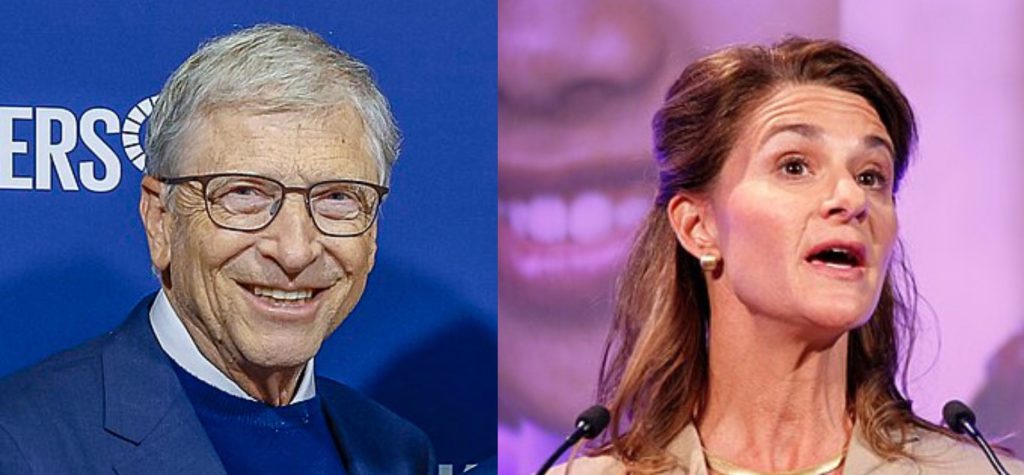
Wealthy individuals often funnel their resources into foundations. On the surface, this appears as charitable giving, but these foundations also offer a unique type of control. Money in a foundation can be used to influence public policy, fund projects aligned with the founder’s interests, or maintain family control over wealth across generations.
Consider the Bill & Melinda Gates Foundation. While it is technically a philanthropic entity, the foundation controls billions in assets, giving the Gates family influence over global health and education initiatives without personally owning those resources.
Corporate Control Without Direct Ownership
The ultra-wealthy understand the power of influence within companies they don’t technically own. Many of them maintain board seats, voting shares, or executive roles in large corporations. This provides control over company decisions without personal financial exposure.
Warren Buffett’s Berkshire Hathaway owns significant stakes in various companies. Though Buffett doesn’t technically own the individual companies, he exercises control over them through his influence as a major shareholder and board member.
International Tax Havens and Offshore Structures
For the ultra-wealthy, jurisdiction matters. Many park their wealth in offshore accounts or tax havens, benefiting from reduced taxation and increased privacy. By placing assets in countries with favorable laws, they retain control without the burden of local ownership regulations. This legal framework allows them to escape high taxes and complex inheritance rules, making their wealth more portable and easier to manage.
The Panama Papers leak in 2016 revealed how celebrities, politicians, and billionaires used these structures to shift ownership offshore, obscuring their true wealth while maintaining control over it.
The Psychology of Control vs. Ownership
Owning nothing and controlling everything isn’t just about financial strategy—it’s also a mindset. Control, not possession, becomes the ultimate goal. The ultra-wealthy recognize that power lies in influence rather than ownership. By operating in the background, they reduce personal risks while maintaining strategic advantages.
This approach also allows them to diversify their influence across industries and avoid the pitfalls of overconcentration. Rather than putting all their eggs in one basket, they distribute their control, ensuring they always have leverage in key areas of business and politics.
The Real Meaning of Wealth
The strategy of owning nothing but controlling everything reflects a fundamental truth about wealth: It’s not about accumulation—it’s about influence. By leveraging trusts, shell companies, leasing, and offshore structures, the ultra-wealthy play a game that allows them to safeguard their assets, reduce taxes, and maintain control without drawing unnecessary attention.
For entrepreneurs and aspiring business leaders, the lesson here is clear: True power lies in how well you control your resources, not in how much you visibly own. Adopting a mindset of influence over possession might just be the key to unlocking financial freedom and strategic advantage in your own ventures.


