
The work-from-home revolution is here to stay. While many have adapted to this new normal, there’s always room for improvement. You’ve probably heard the usual advice: set up a dedicated workspace, stick to a schedule, and take regular breaks. But what about the lesser-known strategies? Here’s an expanded guide to elevate your work-from-home experience.
10. Embrace Ambient Noise

What It Is
Ambient noise refers to background sounds that create an atmosphere, such as the chatter in a coffee shop or the sound of rain. These sounds are not just random noise; they are carefully curated to enhance focus and creativity.
How It Works
Use apps like Coffitivity or Noisli to simulate coffee shop sounds or nature noises. You can customize the level and type of noise to suit your preferences. These apps often come with a variety of settings, allowing you to tailor the experience to your specific needs.
What Problem Will It Solve
Studies have shown that moderate levels of ambient noise can boost creativity and focus. It can make monotonous tasks less dull and help you feel less isolated. The right level of ambient noise can also mask distracting sounds, like traffic or construction noise.
9. Use a Virtual Commute

What It Is
A virtual commute is a set period before and after work where you engage in a non-work activity, like a walk. This activity serves as a mental buffer, separating your work life from your personal life.
How It Works
Take a 10-minute walk around your neighborhood before and after work. Use this time to listen to a podcast, meditate, or simply enjoy the fresh air. This ritual helps you mentally prepare for the day ahead and unwind afterward.
What Problem Will It Solve
This helps your brain transition into and out of work mode, reducing stress and increasing focus. Microsoft has even incorporated a virtual commute feature into its Teams app to help employees wind down. It’s a way to reclaim the mental space that a physical commute used to provide.
8. The “Two-Minute” Rule

What It Is
A productivity hack that encourages immediate action on small tasks. The idea is to tackle tasks that take less than two minutes immediately, rather than postponing them.
How It Works
Whenever a small task comes up, if it takes less than two minutes, do it immediately. This could be anything from responding to an email to taking out the trash.
What Problem Will It Solve
This prevents small tasks from piling up and becoming overwhelming. It’s a principle derived from David Allen’s “Getting Things Done” methodology. By clearing these tasks, you free up mental space for more important activities.
7. Batch Your Work
What It Is
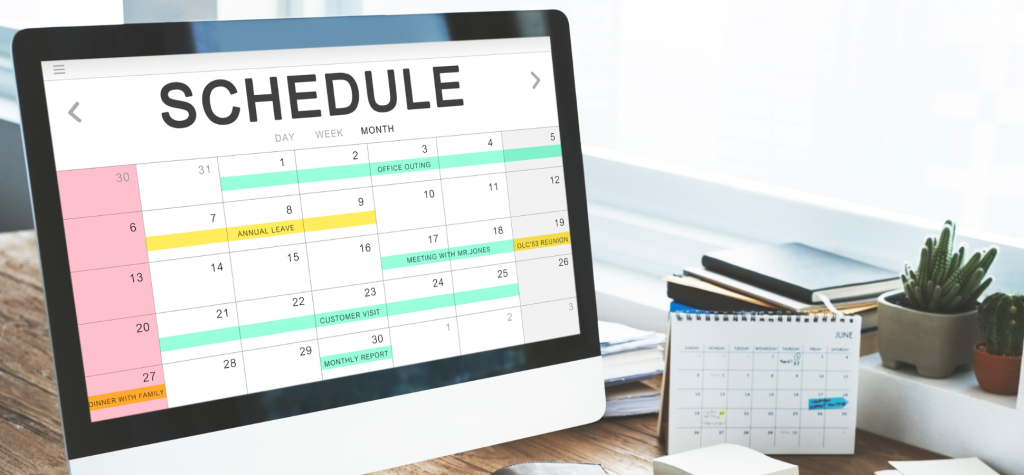
Batching involves grouping similar tasks together and tackling them in one go. This technique is based on the idea that similar tasks require a similar mindset, making it easier to do them together.
How It Works
Schedule all your meetings on one day or answer emails in one block. Use tools like time-blocking or the Eisenhower Box to help you batch tasks. This approach allows you to focus deeply on one type of task at a time.
What Problem Will It Solve
This minimizes the mental load of switching between different types of activities, making you more efficient. Studies have shown that task-switching can reduce productivity by up to 40%. Batching helps you avoid this pitfall by keeping your mind focused.
6. The “Clothes Swap” Technique

What It Is
A psychological trick that uses clothing to signal different activities. It’s more than just a change of attire; it’s a way to mentally transition between different parts of your day.
How It Works
Have specific “work clothes” even when you’re at home. Change into them at the start of your workday and out of them when you’re done. This physical act of changing clothes serves as a psychological cue.
What Problem Will It Solve
Changing your clothes can signal your brain that it’s time to switch activities, helping you mentally prepare for work. It’s based on the concept of “enclothed cognition,” which suggests that what we wear affects our psychological state. It helps you delineate between “work mode” and “home mode,” making it easier to switch off at the end of the day.
5. Use a SAD Lamp
What It Is
A Seasonal Affective Disorder (SAD) lamp mimics natural sunlight. These lamps are specially designed to produce light that closely resembles daylight, helping to improve your mood and energy levels.
How It Works
Place a SAD lamp on your desk and use it for 30 minutes a day, preferably in the morning. The lamp emits a bright light that simulates the sun’s rays, tricking your brain into thinking it’s daytime.
What Problem Will It Solve
A SAD lamp can improve your mood and productivity, especially if your workspace isn’t naturally well-lit. Studies have shown that exposure to bright light can increase serotonin levels, improving mood and focus. This is particularly useful during the winter months when natural light is scarce.
4. The Pomodoro Technique…with a Twist

What It Is
A time-management method that uses intervals to break work into manageable chunks. The twist here is to experiment with different time intervals, rather than sticking to the traditional 25-minute Pomodoros.
How It Works
Instead of the traditional 25-minute work periods, experiment with 40-minute or even 50-minute intervals. Use a timer to keep track. This allows you to adapt the technique to different types of tasks and your own work rhythm.
What Problem Will It Solve
Different time intervals may suit different tasks and personal work rhythms, making you more productive. Research suggests that longer intervals can be more effective for complex tasks. It helps you find your own “productivity sweet spot.”
3. Mindful Procrastination

What It Is
A self-awareness exercise to understand why you’re avoiding tasks. Instead of mindlessly scrolling through social media, you take a moment to reflect on your procrastination triggers.
How It Works
When you catch yourself procrastinating, pause and ask yourself why you’re avoiding the task. This moment of reflection can be a turning point, helping you get back on track.
What Problem Will It Solve
This self-awareness can help you identify obstacles and come up with solutions to tackle them. It’s a form of cognitive behavioral therapy applied to work habits. By understanding the root cause, you can develop strategies to overcome procrastination.
2. Leverage “Non-Work” Skills

What It Is
Using skills not directly related to your job to enhance your work experience. These could be anything from cooking to painting, skills that you usually don’t associate with your professional life.
How It Works
Use your cooking skills to prepare meals during breaks or your artistic skills to doodle when you’re stuck on a problem. These activities serve as a mental break, allowing you to return to work with a fresh perspective.
What Problem Will It Solve
Engaging in a different kind of activity can refresh your mind and make you more productive when you return to work. It’s based on the concept of “creative cross-training,” where skills from one area improve performance in another. It adds a layer of enjoyment to your workday, making it less monotonous.
1. The Eisenhower Box
What It Is
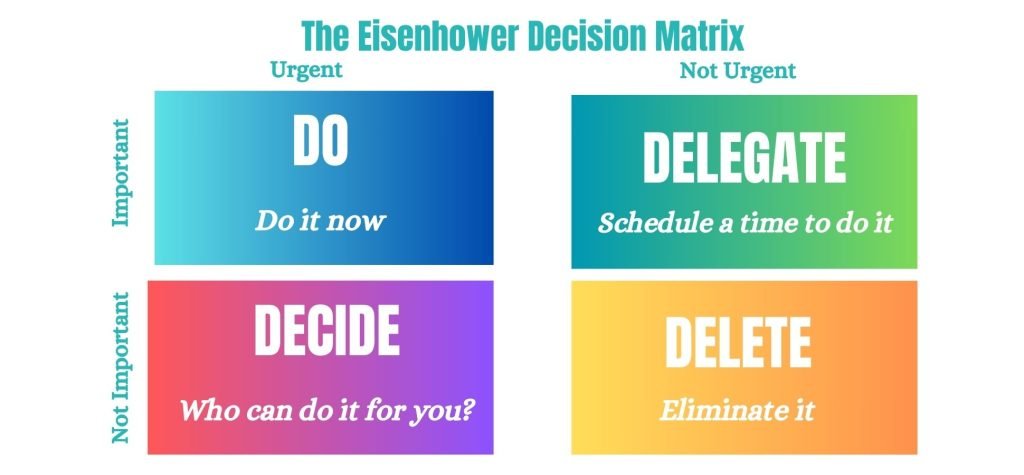
A prioritization tool that helps you sort tasks based on their urgency and importance. Named after President Dwight D. Eisenhower, this tool is a simple yet effective way to manage your to-do list.
How It Works
Draw a box divided into four quadrants labeled “Urgent/Important,” “Important/Not Urgent,” “Urgent/Not Important,” and “Neither.” Place your tasks in these quadrants. This visual representation helps you quickly identify what needs immediate attention.
What Problem Will It Solve
This helps you prioritize tasks effectively, ensuring that you’re focusing on what truly matters. It’s a method used by successful entrepreneurs like Stephen Covey and Tim Ferriss. By sorting your tasks, you eliminate the stress of having to juggle multiple priorities at once.
Working from home permanently offers a unique set of challenges and opportunities. While the usual tips are helpful, these lesser-known strategies can provide that extra edge in productivity and well-being. So go ahead, give them a try and redefine your work-from-home experience.