

The most common type of loan – a term loan – gives business owners the ability to borrow a lump sum to cover business expenses from a lending institution such as a bank or credit union. Term loans raise the risk for the lending institution, so these products have adverse side effects that could include a personal guarantee.
This means that entrepreneurs will repay the loan with their personal funds if they default on the loan. The lender could require collateral such as cash, vehicles, investments and real estate. These are called secured loans. They contrast with unsecured agreements such as credit cards. Lenders provide unsecured loans for entrepreneurs with a good FICO score and an established business history.
How Lines of Credit Can Fund Your Business
Another payment option for entrepreneurs stems from the option to obtain a business line of credit that functions similarly to a credit card; however, these lines of credit do not come with the grace period often associated with credit cards. Furthermore, the draw period often expires within 12 to 24 months.
These lines of credit usually require a strong credit rating and they often require a personal guarantee. However, if the borrower has demonstrated a history of success with a company and they have a good FICO score, they could be eligible for unsecured financing that usually has a higher interest rate due to the increased risk taken on by the lender.
While entrepreneurs can secure traditional funding from products such as lines of credit, some entrepreneurs choose to bootstrap their organization that would be funded by personal savings and sweat equity. They also borrow money from friends and families. Business owners utilize bootstrapping because this allows them to maintain control of their organization. They retain equity.
The Risks of Peer-to-Peer Lending
Borrowers connect with lenders through Internet services that include Prosper, Upstart, and Kiva. These organizations function as intermediaries that couple borrowers with lenders who bid on the opportunity to fund the loan. Borrowers submit loan requests to these cyberspace organizations that then give investors the chance to bid on the right to finance the loan.
Peer-to-peer (P2P) loans range from $2,000 to $50,000. If entrepreneurs have been unable to acquire a loan through traditional lenders such as banks and credit unions, then they can turn to a P2P service that often comes with additional fees and higher interest rates. P2P loans can be used for practically any purpose.

These fees can include loan origination fees, late payment fees, and service fees for managing the loan. While traditional lenders generally have service fess around 0.25% to 0.50% of the loan balance, peer-to-peer lenders charge significantly more. These organizations can charge both the lender and the borrower – fees constitute the profits obtained by P2P organizations.
Organizations generally provide borrowers with personal loans that can be used for practically any purpose. Here are loan details: (1) loan amounts range from $1,000 to $50,000; (2) loan terms extend from 12 to 60 months; (3) annual percentage rates (APR) fluctuate from 8% to 45%. These loan details demonstrate the importance of choosing the right lender, because the wrong service provider could put an entrepreneur out of business.
Secure Funding with No Monetary Risk
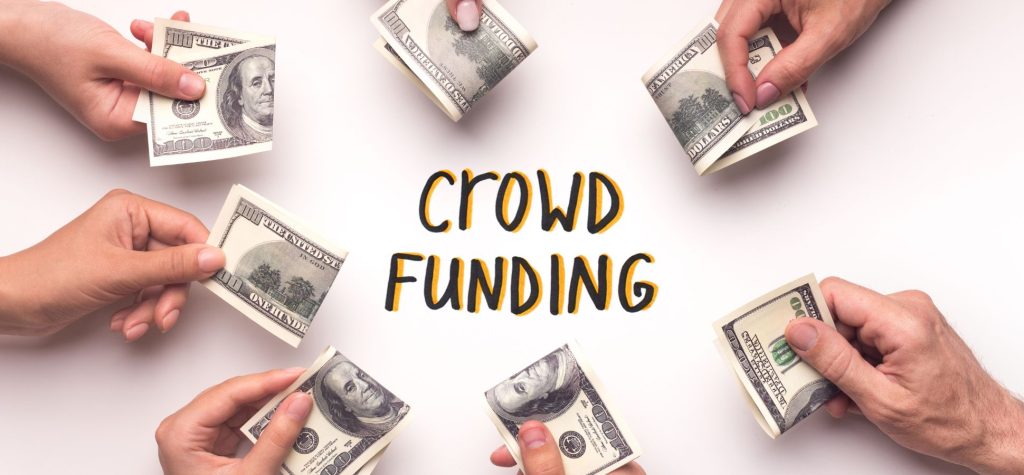
Another source for generating money comes from crowdfunding – this process relies on the securing of small amounts of money from a large number of people. Crowdfunding provides entrepreneurs with an alternate source of securing money for their company.
This money is called a donation instead of a loan. Crowdfunding enables small businesses to secure funding up to $5 million within a 12-month timeframe. While donations begin at $10, funding typically ranges from $88 to $96. Crowdfunding allows non-accredited investors to donate a capped amount of money to entrepreneurs.
These ceilings intend to protect investors. If investors have an annual income or net worth that is less than $124,000, then they may donate up to 5% of their income toward the investment. If annual income or net worth exceed $124,000, they may apply up to 10% of their money toward investments. Crowdfunders are constrained by a 12-month donation limit as well.
Entrepreneurs participate in crowdfunding by using online platforms that include GoFundMe, Kickstarter, and Crowdfunder. Investors often receive rewards that vary from one company to another. Rewards reflect the products created by the company. If someone donates $50 to a jewelry store start up, then she might receive earrings as a thank you.
More Paths to Travel with Crowdfunding
Some entrepreneurs provide investors with the ability to acquire equity in the company through a certain type of funding practice called equity-based crowdfunding. Essentially, entrepreneurs offer shares of their company in exchange for equity. AngelList, Crowdcube, and Seedrs provide investor platforms.
These organizations participate in the vetting process by reviewing financial statements that track and analyze the financial well-being of their company. These statistics provide information to external stakeholders including investors, analysts, creditors and regulators by summarizing the financial outlook of a company. Equity-based crowdfunding organizations are regulated by the U.S. Securities and Exchange Commission.
USP & Marketing Campaigns & Financial Literacy
What measuring tool provides entrepreneurs with indicators that the company lost or gained money? Entrepreneurs benefit from knowing their way around a spreadsheet that explains expenses such as cost of goods sold, utilities, rent, and salaries. Organizations that produce a tangible product will have reoccurring costs that impact profitability. A restaurant is an example. If your margins are slim, keep an eye out for increases in reoccurring costs.
Most entrepreneurs attain funding by securing a loan such as an SBA 7(a) loan. Be sure to know the requirements of the loan – understand the complications that can coincide with a personal guarantee. What collateral risks exposure? Real estate? Bank accounts? Maybe crowdfunding or bootstrapping or P2P services will lead you down the path taken by other entrepreneurs.
Entrepreneurs know that without risk, there can be no reward, so turn your innovation in to a profitable result. Entrepreneurs need to have the creativity to develop new or better products and services. While creativity and an abundance of energy will lead entrepreneurs down roads less traveled, they could have the opportunity to actualize their unique innovations through financial literacy and persuasive marketing campaigns.


