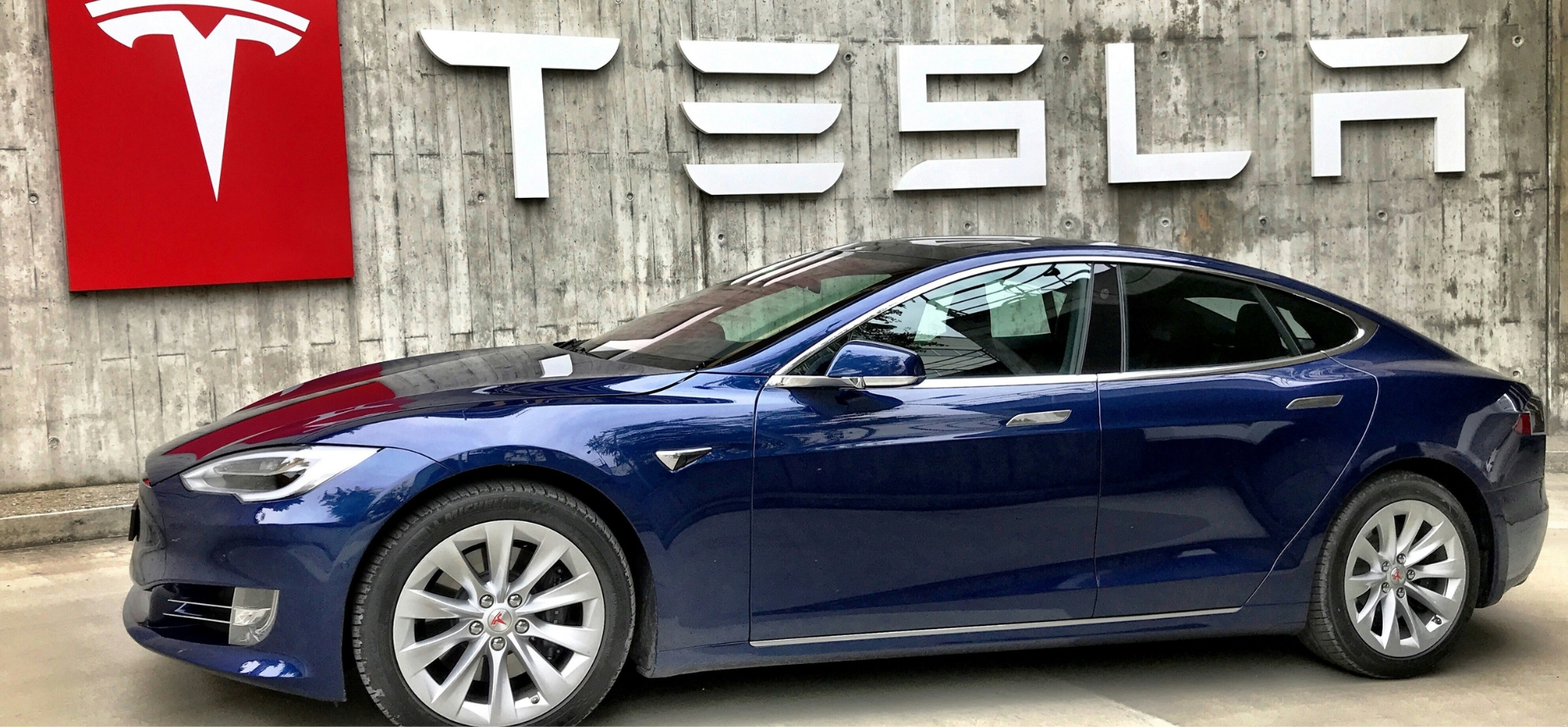
When the Tesla Model S first entered the automotive world, it didn’t feel like the arrival of just another new car. It felt like a disruption. At a time when electric vehicles were largely viewed as compromises, slow, awkwardly styled, and limited in range, Tesla introduced a full-size luxury sedan that challenged nearly every assumption the industry held about EVs.
As the Model S now approaches the end of its lifecycle, its significance becomes even clearer. The impact of Tesla Model S extends far beyond Tesla itself. It reshaped consumer expectations, forced traditional automakers to accelerate electrification, and helped redefine what modern vehicles are expected to deliver in performance, technology, and design.
More than a successful product, the Model S became a catalyst. Its story explains how the Tesla Model S changed the auto industry forever and why its legacy will continue to influence cars long after its production ends.
The Birth of a Game-Changer
Before the Tesla Model S, electric cars occupied a narrow corner of the market. They were practical tools for environmentally conscious drivers, not objects of desire. Performance and luxury were still firmly associated with gasoline engines, while EVs were seen as utilitarian and experimental.
The arrival of the Model S disrupted that narrative almost overnight.
How Tesla Model S Broke the Mold
Introduced in 2012, the Tesla Model S arrived with ambitions that few believed a young automaker could fulfill. It promised long driving range, exhilarating acceleration, and a premium driving experience without relying on internal combustion. Many industry observers were skeptical, particularly given Tesla’s lack of manufacturing history.
Yet early reactions quickly shifted. Reviews highlighted how the Model S delivered smooth, silent power and surprising speed, all wrapped in a sleek, understated design. Instead of marketing the vehicle as an environmentally friendly alternative, Tesla positioned it as a superior luxury sedan that happened to be electric.
This strategic positioning changed everything. Buyers weren’t asked to compromise; they were offered an upgrade. That mindset became foundational to the Tesla Model S legacy and marked the moment when electric vehicles began competing directly with high-end gasoline cars on their own terms.
Innovations That Redefined Expectations
The success of the Tesla Model S was rooted in innovation. Tesla didn’t focus on improving a single aspect of the vehicle; it reimagined the entire ownership experience. Performance, range, software, and design all worked together to create something genuinely new.
These innovations explain why the impact of Tesla Model S continues to be felt across the global auto industry.
Performance and Range Redefined
One of the most striking aspects of the Tesla Model S was its performance. Instant torque from its electric motors allowed the car to accelerate with a smoothness and immediacy that traditional engines struggled to match. High-performance variants eventually demonstrated that an electric sedan could rival supercars in straight-line speed.
Equally transformative was the driving range. At launch, the Model S offered distances that dramatically reduced range anxiety, a major barrier to EV adoption. Long commutes and extended road trips suddenly became realistic for electric vehicle owners, shifting perceptions of practicality.
Together, performance and range established a new baseline. Consumers began to expect electric cars to be exciting, capable, and versatile, forcing competitors to rapidly improve their own offerings.
Core Features That Defined the Tesla Model S
To understand how deeply the Model S influenced the industry, it helps to look at the features that set it apart during its rise.
| Feature | Tesla Model S Impact on the Industry |
| Long electric driving range | Proved EVs could replace gasoline cars for daily and long-distance use |
| Instant torque and rapid acceleration | Redefined performance expectations for electric sedans |
| Over-the-air software updates | Introduced continuous improvement after purchase |
| Large central touchscreen | Shifted interior design toward software-first interfaces |
| Supercharger compatibility | Enabled practical long-distance EV travel |
| Minimalist interior layout | Influenced modern automotive design trends |
These features didn’t exist in isolation. Together, they created a cohesive experience that felt years ahead of most competitors.
Software and Over-the-Air Updates as a New Paradigm
Perhaps the most revolutionary element of the Tesla Model S was its software-first philosophy. Instead of treating software as static, Tesla made it central to the vehicle’s identity. Over-the-air updates allowed the Model S to gain new features, improved performance, and refined interfaces long after purchase.
This approach fundamentally changed car ownership. Vehicles no longer age in the same way. The Tesla Model S evolved over time, setting expectations that cars should improve, not stagnate. Automakers across the industry soon began investing heavily in software platforms, inspired by Tesla’s success.
In this sense, the Tesla Model S changed the auto industry not only through hardware innovation but by redefining how vehicles are developed and maintained.
Interior Tech and Minimalist Design
Inside the cabin, the Model S departed sharply from traditional luxury norms. Physical controls were replaced with a large touchscreen that governed nearly every function. The minimalist design felt radical at first, but it quickly became iconic.
This interior philosophy influenced a generation of vehicles. Touchscreens grew larger, interfaces more digital, and software became central to the driving experience. Even brands that rejected full minimalism adopted elements first popularized by the Tesla Model S.
Changing the Industry and Market Forces
By the mid-2010s, the Tesla Model S was no longer just a standout product. It had become a reference point. Automakers, investors, and regulators alike began measuring the future of electric vehicles against what Tesla had already achieved.
The success of the Model S altered competitive dynamics and accelerated decisions that might otherwise have taken another decade.
This phase of the Model S story is where its influence becomes most visible at an industry-wide level.
Industry Ripples and Auto Maker Responses
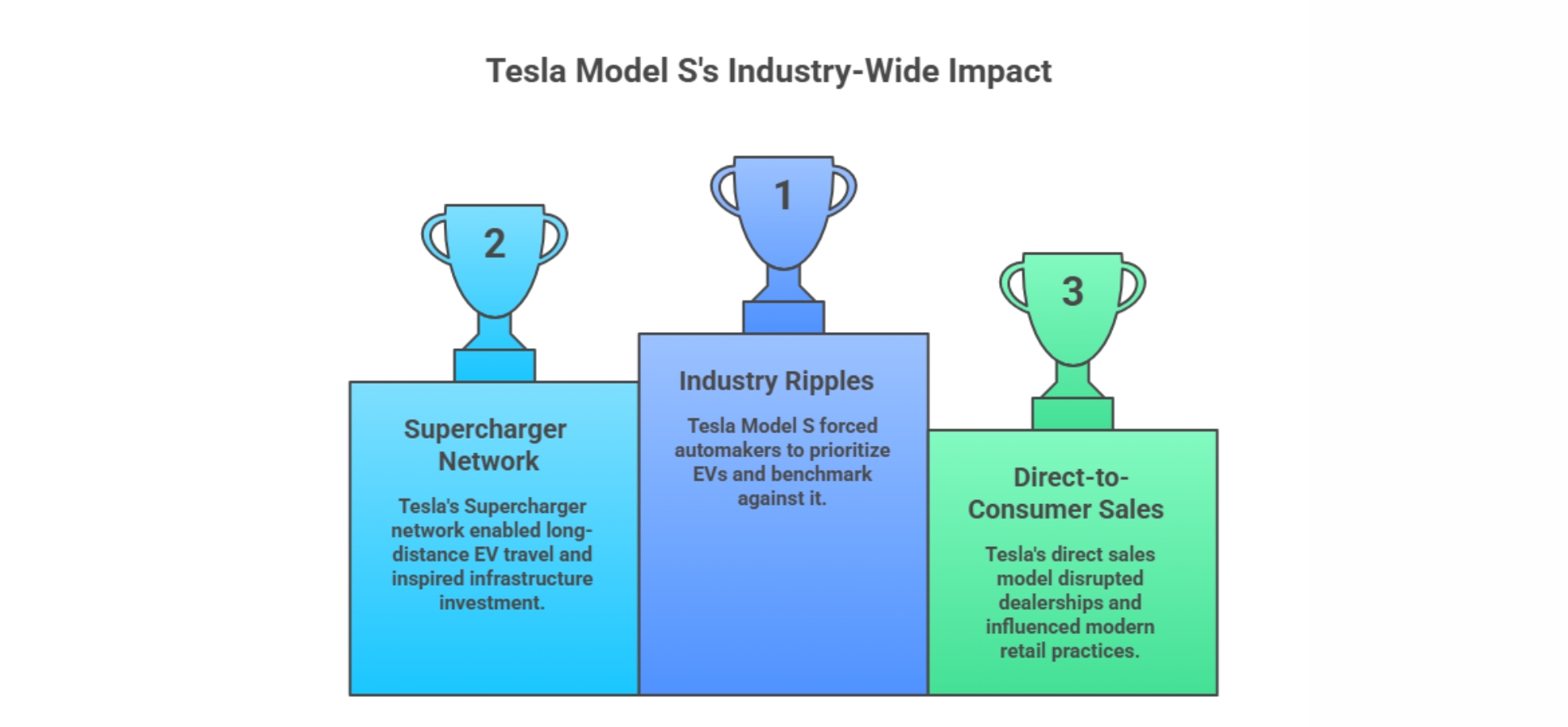
For decades, major automakers had approached electrification cautiously. Electric vehicles were often limited-production models designed to meet regulations rather than consumer demand. The Tesla Model S disrupted that mindset by proving there was a profitable market for premium electric cars.
As sales grew and public perception shifted, traditional manufacturers were forced to respond. Research and development budgets expanded, internal combustion roadmaps were shortened, and fully electric platforms moved from long-term concepts to immediate priorities. Brands that once dismissed Tesla began benchmarking against it.
The impact of Tesla Model S can be seen in the rapid emergence of high-end electric sedans and performance-focused EVs from established automakers. While these vehicles brought their own design philosophies, their existence reflected a clear truth. The Model S had validated electric vehicles as serious competitors, not experimental side projects.
Supercharger Network and Infrastructure Influence
While performance and design attracted attention, infrastructure played an equally critical role in the Model S revolution. Tesla understood early that long-range electric vehicles would only succeed if drivers felt confident traveling beyond city limits. To solve this, the company invested heavily in its Supercharger network.
For Model S owners, this network transformed ownership. Long-distance travel became not only possible but convenient, addressing one of the most persistent concerns about electric cars. Charging stops were predictable, strategically placed, and integrated seamlessly into the driving experience.
This approach influenced the broader industry. Governments, private companies, and automakers began investing more aggressively in public charging infrastructure. Standardization efforts followed, many inspired by Tesla’s early lead. In this way, the Tesla Model S didn’t just change cars; it helped shape the environment in which electric vehicles could thrive.
Direct-to-Consumer Sales Model Disrupted Dealership Norms
Another less obvious but equally important shift came from how the Tesla Model S was sold. Tesla bypassed the traditional dealership model, opting instead for direct-to-consumer sales. This allowed the company to control pricing, messaging, and customer experience in a way most automakers could not.
For buyers, this created a simpler, more transparent process. Pricing was consistent, information was centralized, and the experience felt more aligned with modern retail expectations. While this model faced resistance and legal challenges in some regions, it sparked broader conversations about how cars should be sold.
As a result, other manufacturers began experimenting with online sales, fixed pricing, and hybrid retail models. The Tesla Model S changed the auto industry not only in engineering terms, but also in how consumers interact with automakers.
Redefining Consumer Perception of EVs

Perhaps the most profound impact of the Tesla Model S was psychological. It changed how people felt about electric vehicles. Before its arrival, EVs were often seen as practical tools or environmental statements. After the Model S, they became objects of desire.
This shift in perception laid the groundwork for mass adoption.
Making Electric Cars Desirable
The Tesla Model S proved that electric cars did not have to compromise on excitement or prestige. Its combination of sleek styling, rapid acceleration, and advanced technology reframed what an EV could represent. Driving electric was no longer about sacrifice; it was about experiencing something new and better.
This emotional appeal mattered. Buyers who might never have considered an electric vehicle suddenly found themselves interested. The Model S appealed to technology enthusiasts, luxury buyers, and performance-focused drivers alike, expanding the EV audience far beyond its early adopters.
The impact of the Tesla Model S in this context cannot be overstated. It shifted the narrative from obligation to aspiration, a change that continues to influence EV marketing and design today.
Tesla Model S as a Status Symbol
As visibility increased, the Model S also became a cultural symbol. Its distinctive silhouette and silent acceleration made it instantly recognizable. Owning one signaled technological savvy, forward-thinking values, and a willingness to embrace the future.
This status effect played a critical role in normalizing electric vehicles. When influential consumers adopted the Model S, it generated conversations that extended well beyond traditional automotive circles. Social media, tech culture, and mainstream media all amplified their presence.
In this way, the Tesla Model S legacy extended beyond engineering achievements. It reshaped public attitudes and made electric vehicles part of everyday cultural discussion.
Evolution, Refreshes, and Staying Relevant
As the electric vehicle market matured, competition intensified. What once made the Tesla Model S feel untouchable began to appear in rival offerings, often with fresh designs and newer platforms. Even so, Tesla continued to refine the Model S rather than replace it outright, signaling confidence in the core vision that had guided the car from the beginning.
This period highlights both the strengths of the Model S and the challenges it faced as the industry it helped create caught up.
Criticisms and Challenges Over the Years
Despite its groundbreaking status, the Tesla Model S was not without criticism. As newer competitors entered the market, some reviewers noted that its exterior design had changed little over time. What once felt futuristic began to feel familiar, especially when compared to newer electric sedans built from clean-sheet platforms.
Concerns around build quality, reliability, and interior fit and finish also surfaced over the years. While software updates addressed many functional issues, hardware limitations could not always be solved digitally. At the same time, competitors began offering alternative approaches to interior design and driving dynamics, giving buyers more choices than ever before.
These challenges did not erase the Model S’s achievements, but they did highlight how quickly innovation cycles were accelerating. Ironically, this pace of change was itself a byproduct of the Tesla Model S changing the auto industry.
Nearing the End of an Era
As Tesla’s product lineup expanded, the role of the Model S began to shift. Newer vehicles addressed broader market segments, and Tesla’s focus increasingly turned toward future technologies rather than flagship sedans.
This transition marked a symbolic moment for the car that started it all.
What the Discontinuation Means
The decision to wind down production of the Tesla Model S reflects a strategic pivot rather than a failure. Tesla’s priorities now include scaling autonomous systems, advancing battery technology, and developing platforms designed for the next generation of transportation.
In this context, the Model S marks the end of the chapter. Its mission was to prove what electric vehicles could be, and by that measure, it succeeded. The end of its production underscores how far the industry has moved since its debut.
For many observers, the Model S nearing the end is less about loss and more about legacy. It stands as evidence that radical ideas, when executed well, can permanently alter an industry’s trajectory.
Legacy Beyond Production
Even as production slows, the Tesla Model S legacy continues to shape automotive thinking. Its influence can be seen in the performance benchmarks, software-first design philosophies, and electrification strategies now common across the industry.
Future electric vehicles will likely look different, but the principles the Model S introduced remain deeply embedded. Long range, rapid acceleration, seamless software integration, and over-the-air updates are no longer novelties. They are expectations.
In that sense, the Tesla Model S changed the auto industry in ways that extend far beyond its own lifespan.
Legacy and Lasting Impact on the Auto Industry
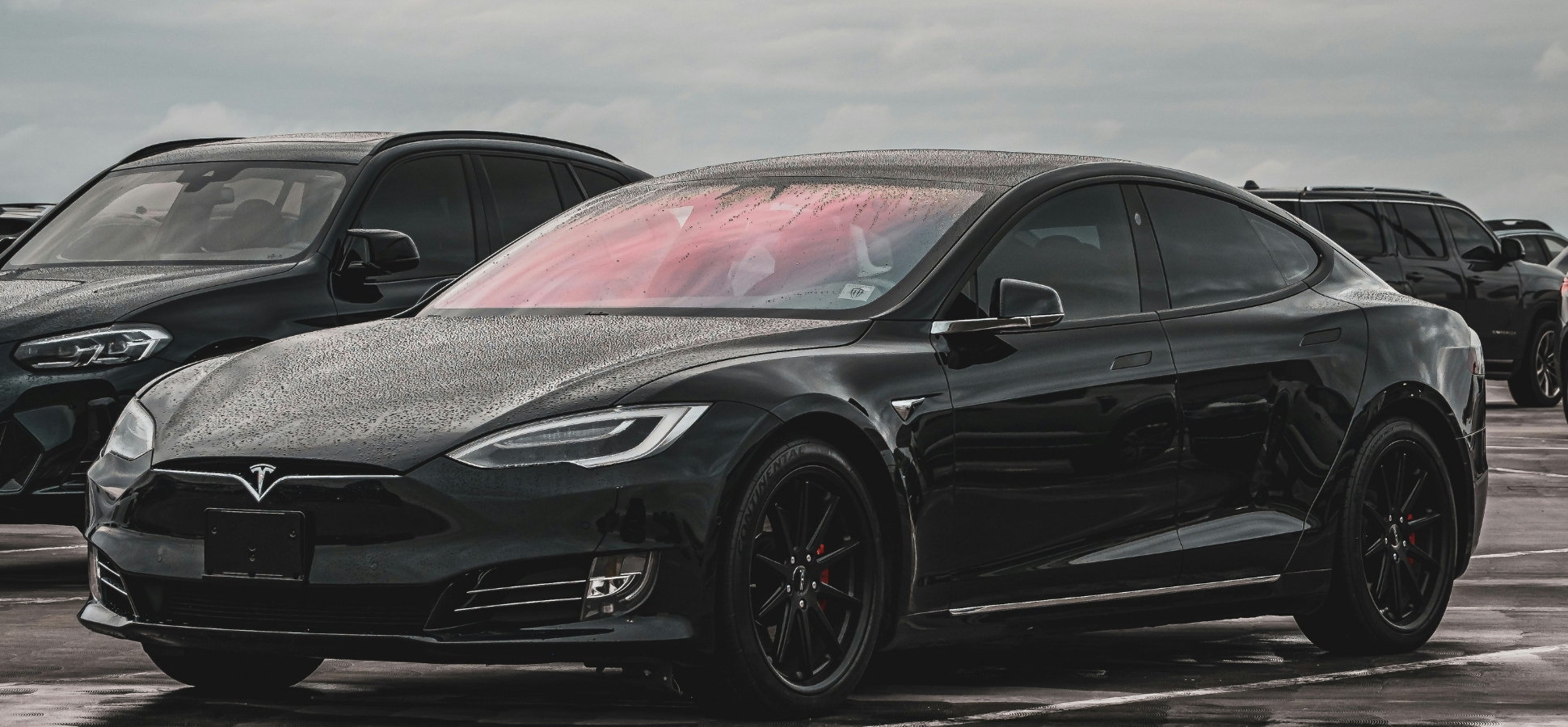
Looking at today’s market, it is difficult to imagine the current pace of electrification without the Tesla Model S. Automakers across the globe now compete in segments that barely existed before its arrival. Governments have set ambitious electrification goals, and consumers increasingly view electric vehicles as the default future.
The impact of the Tesla Model S is woven into these developments. It proved demand where skepticism once prevailed and demonstrated that innovation could coexist with commercial success.
Legacy Reflected in Today’s Market
Modern electric sedans, crossovers, and even performance vehicles all echo ideas first popularized by the Model S. Battery range targets, acceleration figures, charging capabilities, and software ecosystems are frequently measured against standards Tesla helped establish.
More importantly, the Model S normalized the idea that cars should evolve. Continuous improvement through software updates has reshaped how manufacturers think about long-term ownership and value.
The Tesla Model S Changed the Auto Industry Forever
In hindsight, the Tesla Model S stands as one of the most influential cars of its era. It didn’t just succeed within an existing framework. It altered the framework itself.
By combining performance, technology, and vision, the Model S forced the auto industry to rethink what was possible. That shift, more than any individual feature, defines its lasting importance.
Conclusion With Forward-Looking Insight
As the Tesla Model S approaches the end of its production life, its true significance comes into focus. It was the car that made electric vehicles exciting, desirable, and viable at scale. It transformed consumer perception, accelerated industry change, and redefined what modern cars could be.
While newer models will carry the electric revolution forward, they do so on a foundation the Model S helped build. Its legacy is not confined to history; it lives on in every electric vehicle that prioritizes innovation over convention.
The Tesla Model S may be nearing the end, but its impact on the auto industry is permanent.