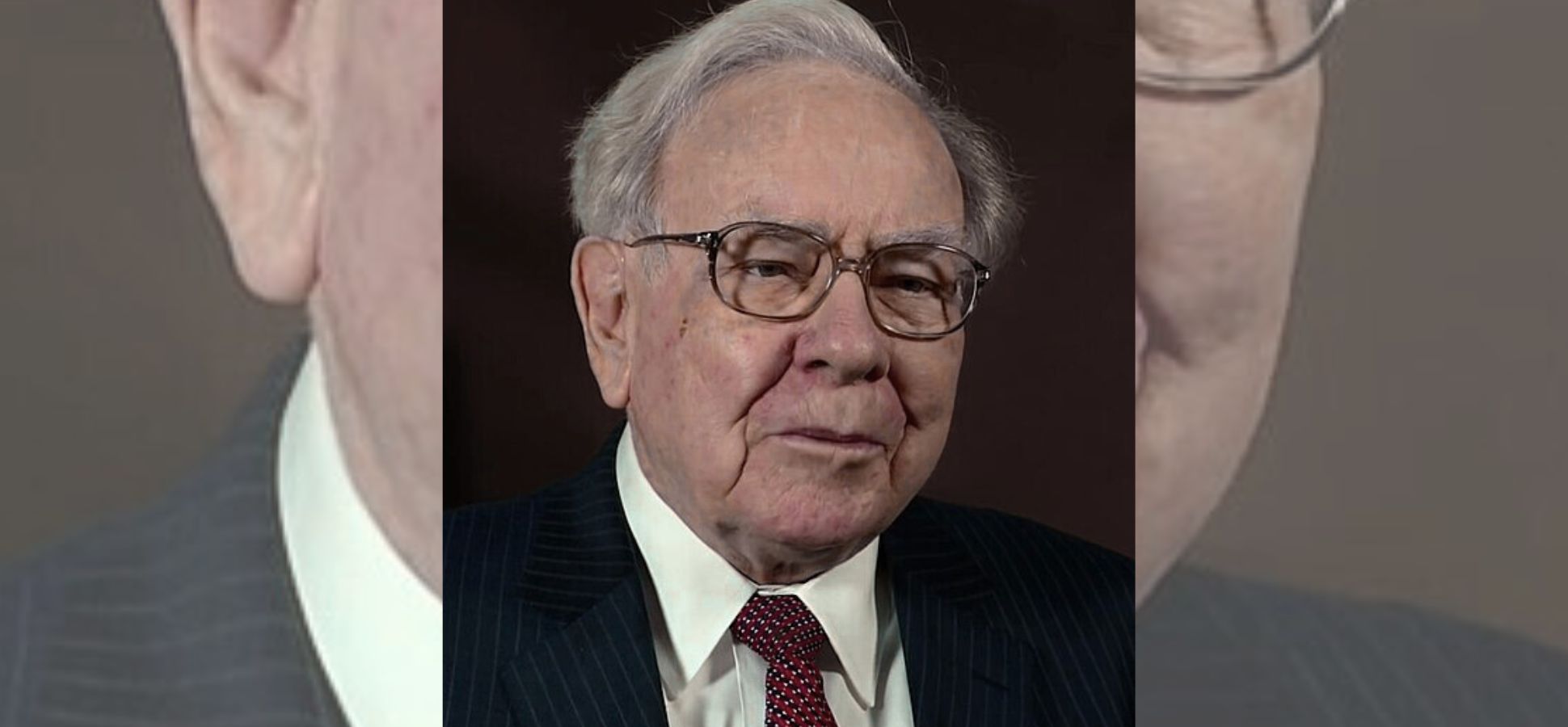
Warren Buffett’s final letter as Berkshire Hathaway’s CEO is more than a farewell—it’s a blueprint. It distills six decades of compounding wisdom on how to think, whom to trust, and how to endure.
This article translates his reflections into practical moves for entrepreneurs and investors: learning from mistakes, judging real moats, nurturing lifelong partnerships, selecting trusted operators, and staying patient when markets shake.
From Farewell Letter to Field Manual
Warren Buffett’s final letter as CEO of Berkshire Hathaway distills decades of experience into a pragmatic guide for entrepreneurs and investors. His reflections are not just a look back but a blueprint for decision-making and partnership in business.
Buffett’s humility stands out as he addresses his own missteps. He frames mistakes as tuition—costly, but essential for growth. Rather than letting errors become sources of regret, he advocates documenting them and reviewing them regularly. This practice transforms setbacks into structured learning.
He also emphasizes distinguishing between a bad outcome and a bad decision. The focus should be on improving the decision process, not just reacting to results. Buffett cautions against recurring errors such as overestimating the strength of competitive advantages, underestimating disruption, or overlooking the role of incentives in shaping behavior.
He reinforces the value of patience over prediction. For most, broad diversification is wise, but when a clear advantage is present, concentration can be justified. Buffett’s approach to management is equally instructive: select leaders based on integrity, energy, and rationality, then grant them autonomy.
Trust, once established, compounds like capital. Relationships built on mutual respect and reliability are a competitive edge that outlasts market cycles.
Turning Reflections into Action
Buffett’s lessons can be operationalized into a decision checklist:
- Have we clearly defined what would prove our thesis wrong and set a timeline for reassessment?
- Are we investing in a moat that is tangible today, not just potential?
- Is leadership someone we would trust with our family’s well-being, not just our finances?
- Do our systems and incentives encourage honest, rapid feedback?
- Would we be comfortable owning this business if the market were closed for years?
By turning Buffett’s reflections into habits, entrepreneurs and investors can navigate uncertainty with clarity and resilience.
Building Moats and Avoiding Mirages
Warren Buffett’s tenure at Berkshire Hathaway is marked by his insistence on investing only where a durable competitive advantage—or moat—exists. His final letter revisits hard lessons from deals where perceived advantages faded, serving as a warning: never mistake a fleeting edge for an enduring one.
Paying a premium for a business that cannot defend its position over time is a recipe for disappointment. Before committing capital, a rigorous moat test is essential.
A Practical Test for Enduring Advantage
To assess whether a business’s moat is real and lasting, scrutinize these dimensions:
- Customer captivity: Is there repeat demand or high switching costs?
- Cost position: Does the company have a structural cost edge?
- Network or standard: Does value increase as more users join?
- Regulatory or asset barriers: Are there exclusive rights or locations?
- Unit economics resilience: Can margins survive price or cost shocks?
The Dexter Shoe Lesson Applied
Buffett’s acquisition of Dexter Shoe is a classic example of a moat that proved illusory. Global competition eroded its cost advantage, showing that industry dynamics can shift rapidly. The lesson:
- Pay with the discipline of cash.
- Expect competitive erosion.
- Require concrete evidence that an edge strengthens with scale and time.
Red-Team Your Thesis Before You Buy or Build
Before making an investment or starting a business, challenge your assumptions:
- Identify the disruptor most likely to halve your advantage.
- Model margin shrinkage of 300–500 basis points—can free cash flow still grow?
- Conduct pre-mortems and document the top three reasons your strategy could fail.
Only by rigorously testing for ”real moats—and being honest about potential mirages” can investors avoid costly mistakes.
Choosing the People You Trust

Warren Buffett’s career is defined by his ability to identify and empower the right people. He believes character is the true multiplier—when you choose well, trust and autonomy generate far greater returns than oversight.
Lifelong partnerships have been central to Berkshire Hathaway’s culture. Buffett’s enduring collaboration with key partners fostered shared values and patience when markets turned volatile.
Buffett’s Partnership Principles
When hiring or backing managers, Buffett follows a simple but profound checklist:
- Integrity before competence. Without integrity, even skilled operators can destroy value.
- Seek owner-operators. Favor those who embrace accountability over financial engineering.
- Rational capital allocation. Prefer managers who allocate resources wisely over headline growth.
- Deep referencing. Verify how a person behaves under pressure or failure.
Culture of Candid Communication
Berkshire’s governance reinforces trust. Compensation is tied to long-term results, decision-making is decentralized, but ethics and risk standards are centralized.
Managers must write memos about their mistakes, and the culture rewards early truth-telling over maintaining perfect optics. In Buffett’s world, fast truth beats flawless appearances—a cornerstone of enduring success.
Playing the Long Game Through Turbulence
Volatility is inevitable in business and investing. Buffett teaches that market swings are not punishments—they are the price of long-term rewards.
Building systems that anticipate setbacks and preserve flexibility is essential for resilience.
Principles for Riding Out Turbulence
- Maintain liquidity reserves to weather storms.
- Match debt to recurring cash flows.
- Diversify sensibly; concentrate only when an edge is proven.
- Automate investment decisions to remove emotion.
The Power of Patience and Discipline
Buffett advocates fewer, higher-quality decisions over constant activity. Saying “no” more often maintains focus. Allowing time for compounding to work is a hallmark of enduring success.
Clear communication sustains durability. Setting expectations during calm times ensures alignment during crises. Reporting on process quality, not just outcomes, reinforces continuous improvement and stakeholder trust.
Enduring Wisdom for Builders and Backers
Warren Buffett’s final letter offers a behavioral edge—the discipline to act rationally and patiently while surrounding yourself with trusted people.
His philosophy is not about chasing trends but owning advantages that strengthen over time. Founders and funders should prioritize depth and resilience over flash and speed.
Buffett reminds us that time is the ultimate lever. Whether compounding capital, relationships, or knowledge, patience amplifies returns. For entrepreneurs and investors alike, the real edge is behavioral: acting with integrity, discipline, and a long-term view.
Quick Takeaways
Buffett’s final letter isn’t just a curtain call it’s a reminder that real success compounds quietly over decades. The essence of his message is behavioral mastery: to stay rational when others panic, to value integrity over brilliance, and to let time amplify good decisions. Entrepreneurs and investors who internalize these habits don’t just chase returns they build legacies. In Buffett’s world, patience, trust, and discipline are not old-fashioned—they’re the ultimate competitive advantage.
FAQs
How should entrepreneurs apply the mistakes-first mindset?
Maintain an error log and review it monthly. For each lesson, adjust a system—hiring, pricing, or capital allocation—so the same mistake cannot recur.
What is the fastest way to test a competitive advantage?
Measure switching costs and cost position using churn, retention, and unit costs. If unclear, the advantage may not be real.
How do investors stay patient without drifting into passivity?
Set buy ranges, limits, and review schedules. Patience is disciplined inaction until criteria are met.
What should I prioritize when choosing a manager or cofounder?
Focus on integrity, rationality, and energy—in that order. Verify these through references and past capital allocation under stress.
How can I prepare for market turbulence?
Maintain liquidity, avoid fragile leverage, and diversify. Predefine your actions so volatility activates your plan—not your emotions.