You work hard all year. The end of the year is your best time for a serious break. Instead of staying home, book an international trip that resets your focus. The goal is maximum reward for your limited time off.
Scaling down your mental effort requires smart planning. For high-demand destinations, especially for summer or popular winter travel, book early. Secure flights and accommodation for European trips six to nine months in advance.For places like Australia, where peak local summer coincides with year-end, booking eight months ahead minimizes high costs. Treat this vacation as a high-priority project.
Key Takeaways for Year-End Travel
- Book Far Ahead: Prices surge for year-end travel. Book flights and lodging 6-9 months out for the best deals.
- Balance Time and Cost: Shorter trips (3-4 days) are best for high-impact city breaks like Prague. Longer trips (7 days) are necessary to justify the cost of remote locations like Fiji.
- Insist on Automation: Choose destinations that offer logistical simplicity or total natural focus to avoid complex planning.
- Manage Peak Season: December and January are the busiest and most expensive times for Southern Hemisphere destinations like Sydney.
Destination 1: The Arctic Winter Focus
Rovaniemi, Finnish Lapland
Rovaniemi is the official capital of Finnish Lapland. It offers an immediate, deep immersion into an Arctic environment. The focus here is on specialized, high-impact cold-weather activities.
The Rovaniemi area is expensive. This location ranks among the world’s most costly travel destinations. The bulk of your budget must cover specialized guided tours. Signature activities include snowmobiling across frozen lakes, reindeer sleigh rides, and husky sledding. These tours usually cost between €50 and €200 per person, varying by length.
A short 4-day trip covers the core Rovaniemi experiences and brief safaris. A 7-day trip allows you to explore nearby resorts like Levi for skiing. It also allows time for the memorable Sampo icebreaker cruise in Kemi. Accommodation is costly. Mid-range cabins start at €100 to €200 per night. Luxury glass igloos can easily exceed €300 to €500 per night.
| Recommended Stay (Days) | Cost Level (Per Person) | Key Expense Factors |
| 4-7 Days | Extremely High | Specialized winter adventure tours, exclusive lodging (igloos), winter gear rental 6 |
Destination 2: Geothermal and Natural Phenomena
Reykjavik, Iceland
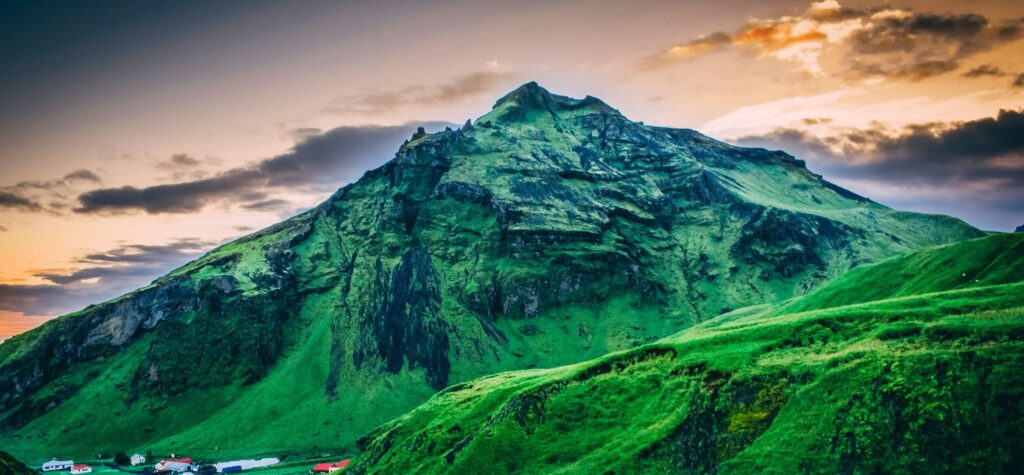
Iceland is ideal for travelers seeking intense physical adventure and dramatic natural sights. The winter months, from October to March, offer the best chance to view the Northern Lights. Viewing the lights requires escaping city lights and checking the solar activity forecasts. Lights often peak between 11 p.m. and 2 a.m.
The unique Icelandic landscape supports thrilling activities. You can go glacier hiking or explore ice caves on the Vatnajokull glacier. Guided tours are necessary for safe exploration of these areas. Winter offers limited daylight hours. This means you must plan tours, like the famous Golden Circle route, efficiently to fit them into the available light.
Travel to Iceland is very expensive. A short trip starts around $2,100. A mid-range itinerary costs $3,000 to $4,500. Luxury travel can easily exceed $7,000. Guided adventure tours are a major budget item. For photographers, the cold drains batteries quickly. You must pack extra batteries and keep them warm. A 3-to-4-day stay provides only a brief taste of the capital and nearby sites. A 7-day minimum stay is recommended for deeper exploration and to justify the high cost.
| Recommended Stay (Days) | Cost Level (Per Person) | Key Expense Factors |
| 4-7 Days | High to Luxury | Guided adventure tours (ice caves, glaciers), high daily food costs, specialized gear 10 |
Destination 3: Historic Winter City Break
Prague, Czech Republic
Prague offers a high-return European experience with minimum time commitment, perfect for a short break. The city’s historic center is famous for its large winter markets.
The two main winter markets are at Old Town Square and Wenceslas Square. They are located just a five-minute walk apart.13 These markets run daily from late November until early January. They sell traditional Czech food and drinks. Popular items include Svařák (mulled wine) and Lángos (fried flatbread).
Prague is more affordable than Nordic destinations. Flights to Europe are typically around $513 roundtrip when booked months ahead. Hotels average $100 to $220 per night.Be careful when ordering market food. Prague Ham (Pražská šunka) is often priced per 100 grams. You must specify the exact amount you want to buy to avoid unexpectedly high costs.14 Many market vendors require cash.
A highly efficient 4-day itinerary covers all major sites. This includes Prague Castle, Charles Bridge, and the main markets.4 Prague is ideal if you cannot take a full week off work. Expect large crowds in the main market areas.16 Be careful of pickpockets.16
| Recommended Stay (Days) | Cost Level (Per Person) | Key Expense Factors |
| 3-4 Days | Mid-Range | Accommodation, market food/drink (specify amounts when ordering ham), short flights 2 |
Destination 4: Summer Beach Escape
Sydney, Australia
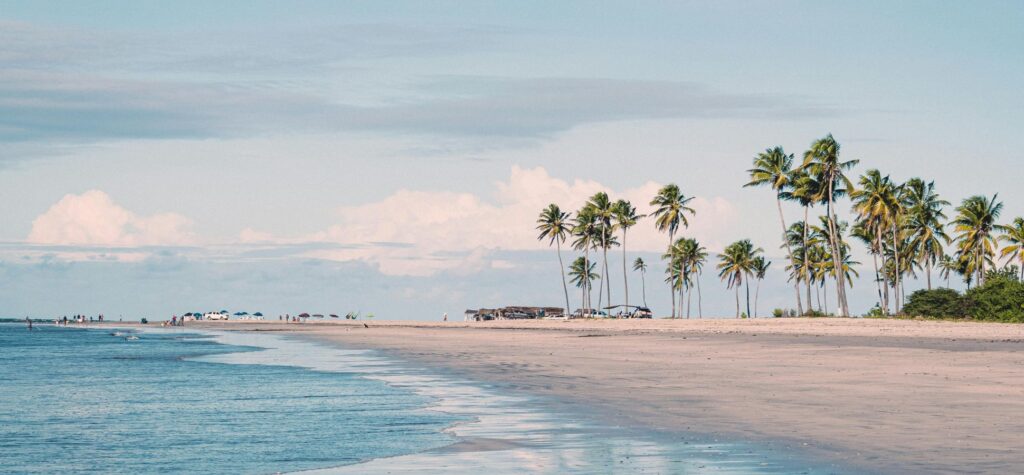
Sydney provides a complete change of pace, offering warm weather from 20°C to 30°C in December and January.3 This trip focuses on beaches, outdoor events, and the harbor.
This is the peak summer season in Australia. Activities center around the water and outdoor life.17 You should expect picnics or barbecues instead of heavy indoor meals. The intense sun requires careful management. Use strong sunscreen, wear hats, and drink water constantly.
Sydney is extremely expensive during this period. December and January are the busiest months due to local school summer holidays. High domestic travel demand pushes prices up. You must book long-haul flights eight months in advance to manage the cost. Hotels average $120 to $250 per night. Daily food costs range from $60 to $100.A 5-to-7-day stay is recommended. This allows time to see city sights and enjoy the beach culture. This trip requires maximum early financial and logistical planning.
| Recommended Stay (Days) | Cost Level (Per Person) | Key Expense Factors |
| 5-7 Days | Extremely High | Long-haul flights, peak season accommodation, high daily food costs 2 |
Destination 5: Total Digital Detox
Yasawa Islands, Fiji
The Yasawa Islands are for the professional who needs total rest. This remote Pacific destination guarantees complete disconnection and zero stress.
The experience is centered on high-end, all-inclusive resorts. Guests stay in thatched beachfront bungalows. Amenities include hammocks, daybeds, and outdoor showers, designed for maximum comfort. The biggest benefit is eliminating all effort. The high cost of the all-inclusive model removes the need for cognitive planning. The resort handles all logistics and meals. Activities are low-key, such as swimming and relaxing.
This is a luxury wellness investment. The price reflects the remote location, exclusivity, and full service. A 7-day minimum stay is recommended. This duration maximizes the decompression benefits and justifies the long travel time required to reach the islands.This trip prioritizes rest over sightseeing.
| Recommended Stay (Days) | Cost Level (Per Person) | Key Expense Factors |
| 7 Days | Luxury (All-Inclusive) | Long-haul flights, high fixed cost for all-inclusive resort stay, remote access |
Make Your Break Count
Your end-of-year holiday shouldn’t be an afterthought—it’s your reset button. With the right preparation, you can transform a limited window of time into a deeply rewarding experience. Planning ahead protects your budget, reduces stress, and ensures you actually get the destination, dates, and experiences you want.
Think of this escape not as a luxury, but as an investment in your wellbeing and productivity for the year ahead. Recharge fully, return refreshed, and start the new year with renewed focus and energy.