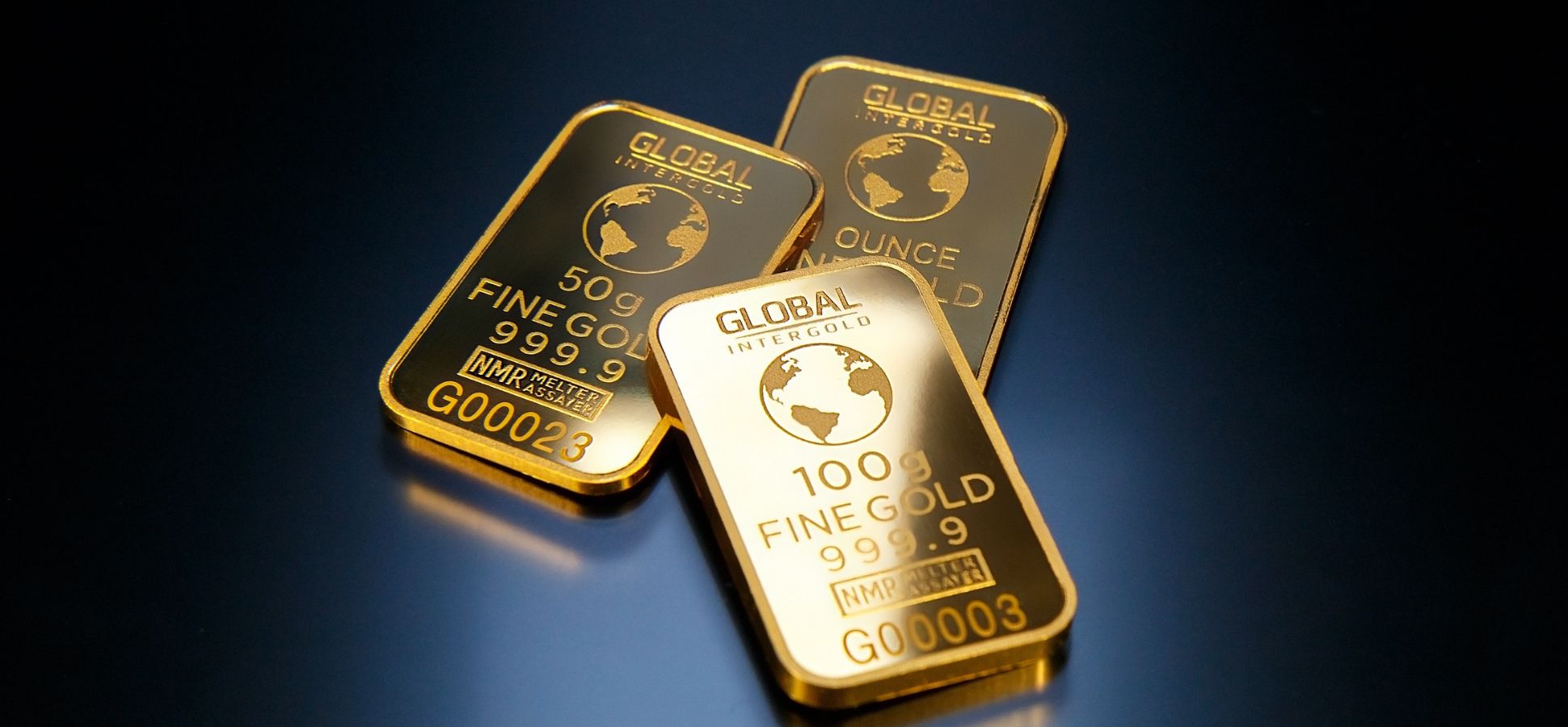
Global finance is shifting. The U.S. dollar still makes up about 58% of official foreign reserves worldwide, but its share has fallen from over 70% in past decades. At the same time, central banks are buying huge amounts of gold. They added 1,037 tonnes of gold in 2023 – the second-highest on record after 2022. The result: foreign governments now hold roughly 36,000 tonnes of gold (about $4.5 trillion worth) – more value than their $3.5 trillion in U.S. Treasuries. In fact, gold is now about 27% of reserves, slightly above Treasuries (about 23%). This trend has accelerated since 2022, when Western sanctions froze $300 billion of Russia’s dollar reserves – a wake-up call that dollar assets can be locked away. In response, many countries are diversifying: reducing dollar bonds and piling into gold as a safer store of value.
- The U.S. dollar’s reserve share is ~58% (2024), down from 72% in 2001 as nations add other currencies and assets.
- Gold’s share has doubled from under 10% a decade ago to over 23% now. Central banks bought a record 1,037 tonnes in 2023.
- In 2025, global official gold holdings (~36,000 tonnes) will exceed holdings of U.S. Treasuries. Gold now makes up ~27% of reserves, overtaking Treasuries at ~23%.
- After Russia’s $300 billion reserve freeze in 2022, emerging economies accelerated moving away from dollars, seeking alternatives they can’t seize or devalue at will.
China’s Gold Strategy

China is leading this shift. In June 2025, the Shanghai Gold Exchange (SGE) opened its first offshore vault in Hong Kong. This new vault, run by Bank of China (Hong Kong), lets international traders buy and store physical gold using yuan. Beijing also launched new yuan-denominated gold contracts for overseas investors. Officials say these steps help internationalize the yuan and turn gold into a trusted asset and hedge.
At the same time, China’s central bank has been stockpiling bullion. Reuters reports the People’s Bank of China added about 225 tonnes of gold in 2023 (the largest global central-bank purchase), plus 44 tonnes in 2024 and another 21 tonnes by mid-2025. Officially, China holds around 2,300 tonnes of gold now – far more than a decade ago. By hoarding gold (and reducing some U.S. bonds) China is deliberately de-dollarizing its reserves. Gold can’t be printed or frozen by outsiders, so pairing the yuan with real gold gives China’s currency extra credibility. In effect, China is building alternative financial plumbing: vaults and contracts that allow trade and lending in yuan backed by physical gold, bypassing dollar-based systems.
A Multi-Monetary Future
Some analysts foresee a multi-currency world. In this view, China and its partners (like the other BRICS nations) run a gold-backed trade network, while the U.S. side leans on digital assets. For example, U.S.-pegged stablecoins already have a market cap of about $220 billion, and cryptocurrencies are growing. Reuters notes that blockchain-based money (stablecoins, crypto) is “gaining ground” even as central banks load up on gold. If two systems coexist – a gold-based yuan system and a digital-dollar system – then demand could surge on both fronts. Countries and investors would then choose between physical collateral (gold) and new digital payment networks.
In a potential gold-backed network, nations with gold reserves (for example, in Africa or South America) could use them as collateral for yuan loans and projects. Meanwhile, Western countries might champion digital currencies (stablecoins or even Bitcoin) as their own hard-money alternative. The bottom line: entrepreneurs should be ready to operate in a world of choice – where some markets clear through vaults and bullion, and others through blockchain and crypto.
Implications and Opportunities for Entrepreneurs

- Gold and Commodities Trading: If central banks keep pushing gold demand, prices may rise significantly. Entrepreneurs in mining, refining, and trading of gold (or other commodities) could profit. Strategic holdings of precious metals could become as rewarding as holding cash.
- New Infrastructure and Trade Deals: Countries in Asia, Africa, and Latin America may accept yuan loans backed by gold to build roads, ports, and factories. Firms that can partner in Chinese-led development projects (construction, energy, tech) might find new opportunities outside IMF/World Bank channels. Projects funded by a gold-collateralized yuan system would offer business for global contractors and suppliers.
- Fintech and Blockchain: Managing a gold-backed system requires secure record-keeping. Blockchain or other ledger tech could track ownership of gold bars across countries. Startups that build platforms for custody, settlement, or certification of physical gold can add value. Likewise, fintech services for cross-border yuan payments (or stablecoin settlements) will be in demand if trade shifts.
- Digital Currency Innovation: On the U.S. side, fintech players can ride the digital wave. The rise of stablecoins (already ~$220B) and growing crypto interest , means there is room for new digital payment networks. Companies that offer USD-backed tokens, crypto wallets, or programmable money (smart contracts) could become key players in finance’s future.
In summary
The move toward gold-backed yuan trading and parallel digital finance systems is reshaping global money. Savvy entrepreneurs can benefit by focusing on hard assets and emerging payments. They should watch commodity markets (especially gold) and consider how trade-finance and fintech might evolve in a world where trust in money is being rebuilt on gold and technology