Vaping has rapidly grown from a niche alternative to smoking into a global phenomenon, especially among young people. Marketed as a safer substitute for cigarettes, the nicotine vape has become a subject of intense debate among health experts, policymakers, and consumers alike.
As new scientific research emerges, the picture of vaping’s risks is becoming clearer. While some argue that vaping may reduce harm compared to traditional smoking, mounting evidence points to significant health, developmental, and environmental consequences that cannot be ignored.
What a Nicotine Vape Is?
A nicotine vape, commonly known as an e-cigarette or vape pen, is a battery-powered device designed to deliver inhaled doses of nicotine through vapor rather than smoke. These devices have evolved rapidly, moving from early, cigarette-shaped models to modern, sleek gadgets that resemble USB drives or high-end tech accessories.
At the core of every nicotine vape are three main components:
- Battery: Powers the device and is often rechargeable. The battery supplies energy to heat the coil.
- Heating Coil: Also called an atomizer, this metal coil heats up when activated, turning the e-liquid into an inhalable aerosol.
- E-liquid: A solution containing nicotine, flavorings, and a base (usually propylene glycol or vegetable glycerin). The e-liquid is stored in a cartridge or refillable tank.
Nicotine in vapes can come from two primary sources. The traditional method uses nicotine extracted from tobacco plants. Recently, manufacturers have started using synthetic nicotine, which is chemically produced in labs and not derived from tobacco. While both forms deliver the same addictive substance, synthetic nicotine has allowed some brands to bypass certain regulations, further complicating oversight.
One of the strongest appeals of nicotine vapes, especially among younger users, is the wide variety of flavors ranging from fruit and candy to dessert and beverage-inspired options. Coupled with compact, stylish designs, these products are easy to conceal and often marketed in ways that resonate with youth culture. The combination of enticing flavors and high-tech aesthetics has contributed to a surge in popularity among teens and young adults, raising public health concerns about early nicotine exposure.
The Addictive Power of Nicotine

Nicotine vape products deliver nicotine to the brain within seconds, triggering a rapid release of dopamine, a neurotransmitter tied to pleasure and reward. This fast absorption not only creates an immediate sense of satisfaction, but also strongly reinforces the urge to use nicotine again. Over time, these repeated cycles of stimulation and reward can quickly lead to dependence, making it difficult for users to quit or even cut back.
For adolescents and young adults, the risks are even more pronounced. The brain continues to develop well into a person’s mid-twenties, and exposure to nicotine during this critical period can disrupt the formation of neural circuits responsible for memory, attention, and impulse control. Research suggests that young people who regularly use nicotine vape products are more likely to experience lasting deficits in these areas. Additionally, early exposure to nicotine increases the likelihood of developing dependence on other addictive substances later in life.
Synthetic nicotine analogs are adding a new layer of concern. Chemicals such as 6-methyl nicotine, which are engineered to mimic or even intensify the effects of traditional nicotine, are beginning to appear in some vape products. Early studies indicate these analogs may bind more strongly to brain receptors, raising the potential for even greater addictive power than conventional nicotine. This evolving landscape underscores the need for close scrutiny of both familiar and emerging ingredients in nicotine vape products.
Health Impacts of Vaping
Nicotine vape products have become widespread, but their health impacts are increasingly under scrutiny. The immediate and short-term effects are often underestimated. Many users experience irritation of the lungs and throat shortly after vaping, which can manifest as coughing, sore throat, or a burning sensation. Nicotine itself is a stimulant, so it commonly leads to elevated heart rate and increased blood pressure, even in young and otherwise healthy individuals. There have also been documented cases of acute nicotine poisoning, particularly in children who accidentally ingest vape liquids. Symptoms can include nausea, vomiting, dizziness, and in severe cases, seizures.
Long-term concerns are emerging as more research becomes available. The aerosol produced by nicotine vapes can contain heavy metals such as lead and nickel, which originate from the device’s heating elements. Chronic exposure to these substances is associated with neurological and developmental risks. Additionally, users inhale volatile organic compounds (VOCs), some of which are classified as carcinogens. Regular exposure to these chemicals may increase the risk of developing certain types of cancer. There is also a growing body of evidence linking vaping to chronic respiratory conditions, including asthma and bronchitis, particularly among adolescents and young adults.
Severe adverse events, while less common, are significant. Reports have surfaced of seizures occurring after vaping, especially among youth. These incidents are believed to be related to high doses of nicotine delivered rapidly to the body. Another serious risk involves battery malfunctions. Faulty or damaged vape devices can overheat or explode, causing burns and other traumatic injuries. Such events highlight the unpredictable and sometimes dangerous nature of nicotine vape products.
Comparing Vaping and Smoking

Recent research shows that nicotine exposure in teens who use nicotine vapes is often comparable to those who smoke traditional cigarettes. Despite the absence of combustion in vaping, the amount of nicotine absorbed can mirror, and in some cases surpass, that of cigarette smokers. This is particularly concerning for adolescents, as their developing brains are more susceptible to the addictive properties of nicotine.
Dual use, when individuals both vape and smoke cigarettes has emerged as a significant health risk. Studies indicate that those who engage in both behaviors are exposed to higher levels of toxins than those who exclusively smoke or exclusively vape. The combination increases the intake of harmful chemicals, including volatile organic compounds and carcinogens, compounding the potential for long-term health consequences.
Public perception around nicotine vapes has shifted in recent years. Where vaping was once widely seen as a safer alternative to smoking, a growing portion of the population now believes that vaping is just as harmful as cigarette use. This change in attitude is driven by mounting evidence of health risks and increased awareness of nicotine addiction among youth. As more data becomes available, the distinction between the harms of vaping and smoking continues to blur in the public eye.
Ready to make a change? Learn the steps to quit smoking successfully.
Vulnerable Populations
Nicotine vape products pose particular risks for groups whose health may already be compromised or still developing. Understanding these vulnerabilities is essential for shaping public health messaging and policy.
Pregnant women are especially at risk when using nicotine vape products. Nicotine exposure during pregnancy can harm fetal development, increasing the likelihood of low birth weight, premature delivery, and developmental delays. Research indicates that nicotine can disrupt the formation of neural pathways in the fetus, potentially leading to long-term cognitive and behavioral issues. These effects are not limited to traditional tobacco use nicotine delivered via vaping devices can have similar consequences.
Young adults are another group facing heightened risks. The adolescent brain continues to develop until the mid-twenties, and exposure to nicotine during this critical period can impair attention, learning, and impulse control. Studies suggest that nicotine vape use among young adults may increase susceptibility to mood disorders and addiction, as the developing brain is more sensitive to the substance’s effects. This raises concerns about the long-term cognitive and emotional health of young users.
Individuals with pre-existing respiratory conditions, such as asthma or chronic obstructive pulmonary disease (COPD), may also experience worsened symptoms when using nicotine vape products. The inhalation of vaporized chemicals can irritate the airways, trigger inflammation, and exacerbate underlying respiratory problems. For these individuals, vaping may lead to more frequent flare-ups, reduced lung function, and a higher risk of complications compared to those without respiratory issues.
Recognizing these risks is crucial for informing both individuals and healthcare providers about the potential dangers of nicotine vape use among vulnerable populations.
Environmental Consequences of Disposable Vapes
The surge in popularity of single-use nicotine vape products has introduced a new layer of environmental challenges. As these disposable devices become more accessible and affordable, their use has expanded rapidly, especially among younger demographics. This trend has led to a significant increase in the volume of vape-related waste entering the environment.
Unlike traditional cigarettes, disposable vapes are made from a complex mix of materials, including plastics, lithium batteries, and electronic components. When discarded, these devices contribute to mounting plastic waste. The plastics used in vapes do not break down easily, persisting in landfills and natural habitats for decades. Additionally, the internal batteries and residual e-liquids pose chemical hazards. Chemicals can leach from discarded devices into soil and waterways, threatening wildlife and contaminating ecosystems.
Recycling disposable nicotine vapes presents unique challenges. Most municipal recycling programs are not equipped to handle the combination of electronics, plastics, and hazardous chemicals found in these products. Safe disposal requires specialized facilities, but these are not widely available or accessible. As a result, many used vapes end up in regular trash streams or are littered in public spaces, compounding the problem.
The broader ecological footprint of the vaping industry extends beyond waste. The manufacturing and distribution of disposable vapes require significant energy and resources, contributing to greenhouse gas emissions and resource depletion. From production to disposal, the lifecycle of a single-use nicotine vape leaves a measurable mark on the environment, raising questions about the sustainability of this rapidly growing trend.
Social and Behavioral Factors
Nicotine vape products have been aggressively marketed to younger audiences, with companies employing flavors like mango, cotton candy, and mint to appeal to teens and young adults. The sleek, tech-inspired designs of many vape devices make them easy to conceal and attractive to a generation raised on smartphones and gadgets. These marketing strategies have contributed to the rapid uptake of vaping among youth, blurring the line between a recreational activity and a risky habit.
Peer influence also plays a significant role in the adoption of nicotine vape products. Social circles often normalize vaping, with group settings making it easier for individuals to try or regularly use vapes. Social media platforms amplify this effect, as viral trends and influencer endorsements portray vaping as fashionable or even harmless. Hashtags, challenge videos, and user-generated content spread quickly, creating an environment where vaping feels both ubiquitous and socially accepted.
A persistent misconception is that vaping is a safe alternative to smoking. Many young users believe that nicotine vapes are free from the dangers associated with traditional cigarettes, overlooking the risks of addiction and potential long-term health effects. This misunderstanding is fueled by targeted advertising and a lack of comprehensive education about the true nature of nicotine dependence and the chemicals present in vape aerosols. As a result, the perception of vaping as a harmless habit continues to drive its popularity among youth.
Regulation and Policy Landscape
The regulatory environment for nicotine vape products continues to evolve as concerns about health impacts and youth access grow. In the United States, the Food and Drug Administration (FDA) maintains oversight of both traditional nicotine and synthetic analogs used in vaping devices. This authority allows the FDA to review premarket applications, enforce manufacturing standards, and monitor marketing practices to ensure public safety.
One of the most significant regulatory measures has been the restriction of flavored e-liquids. These flavors, often appealing to younger demographics, have been linked to increased rates of youth vaping. As a result, several states and municipalities have enacted bans or limitations on flavored nicotine vape products, aiming to reduce their attractiveness to minors. The FDA has also prioritized enforcement actions against companies that market flavored products without proper authorization.
Globally, the approach to nicotine vape regulation varies widely. Some countries, such as the United Kingdom, have adopted harm reduction strategies, allowing regulated sales of nicotine vapes while closely monitoring their use. Others, including Australia and India, have imposed strict bans or heavy restrictions on the sale and importation of vaping products. These differences reflect varying public health priorities and levels of enforcement, leading to a patchwork of policies that impact consumer access and industry practices.
Amid these regulatory efforts, there is a growing call for improved labeling and consumer education. Advocates argue that clearer information about nicotine content, potential risks, and safe usage practices is essential for informed decision-making. Enhanced labeling requirements and public awareness campaigns are being considered as tools to help consumers better understand the products they are using and the potential health implications.
Moving Toward Informed Choices
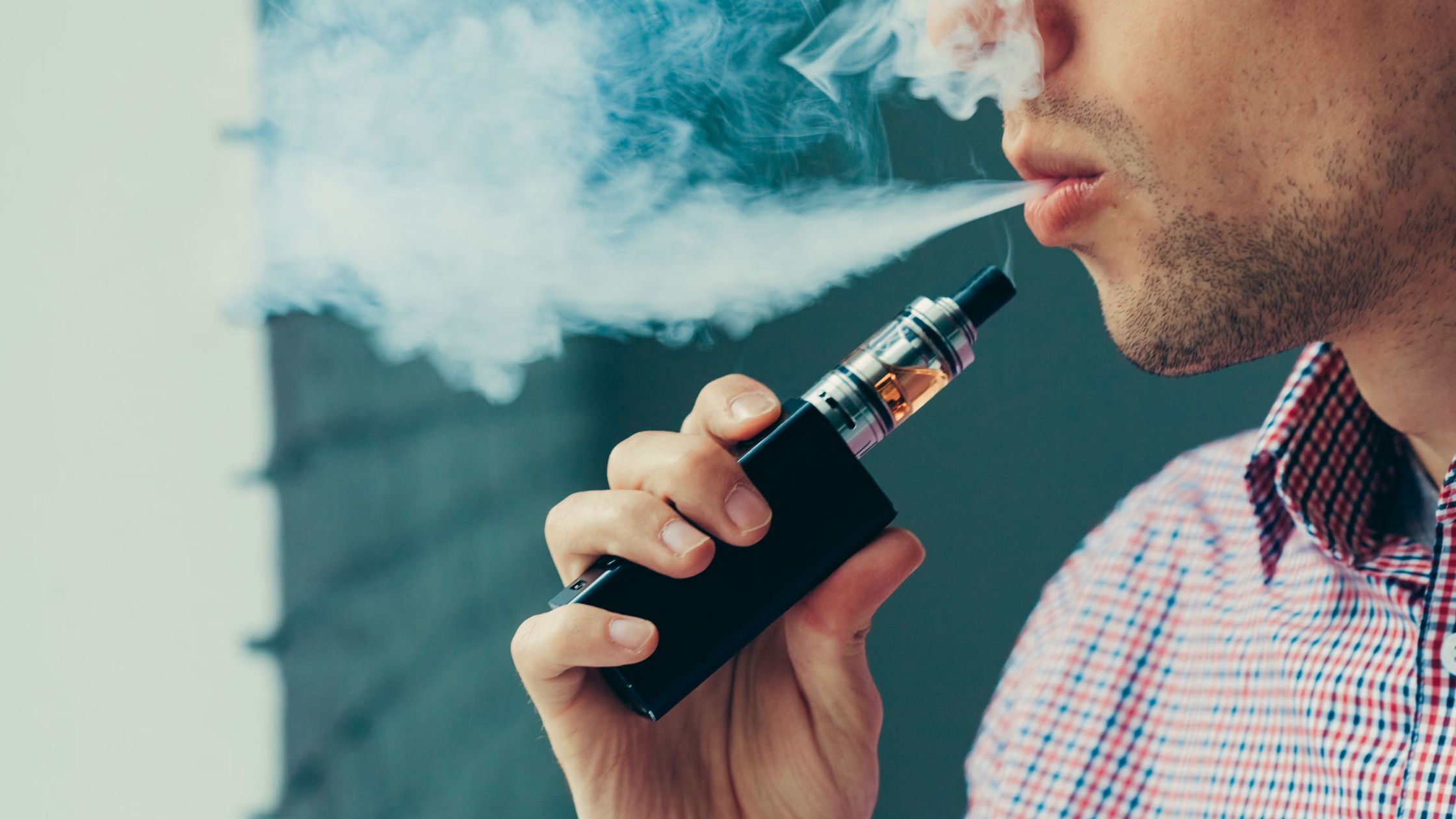
When considering the impact of nicotine vape products, it’s essential to weigh their risks relative to traditional cigarettes. While vaping typically exposes users to fewer toxic chemicals than combustible tobacco, it is not without health concerns. Research continues to show that nicotine vapes can lead to addiction and may have negative effects on cardiovascular and respiratory health, especially for young people. However, for adults who already smoke, switching completely to vaping may reduce exposure to some harmful substances found in cigarette smoke.
Evidence-based education campaigns play a crucial role in helping the public understand these differences. Rather than relying on scare tactics or misinformation, effective campaigns focus on delivering clear, accurate information about the risks and potential benefits of nicotine vape use. This approach empowers individuals to make choices grounded in science, not fear or confusion.
For those seeking to quit vaping or overcome nicotine dependence, a variety of resources are available:
- Behavioral counseling, both in-person and online, can provide strategies and support for quitting.
- Nicotine replacement therapies such as patches, gum, or lozenges may help manage withdrawal symptoms.
- Healthcare providers can offer guidance on medication options and connect individuals to support groups.
Making informed decisions about nicotine vape use requires access to reliable information and practical support. As new evidence emerges, staying updated and seeking professional help can make a meaningful difference for those aiming to reduce or eliminate their nicotine dependence.
Curious about creatine? See if you should take creatine supplements.
Quick Takeaways
Nicotine vapes continue to raise health and environmental concerns. Here are the key points to consider:
- Nicotine vapes are highly addictive and pose serious health risks, particularly for youth and pregnant women. Early exposure to nicotine can disrupt brain development and increase the likelihood of long-term dependence.
- The aerosols produced by nicotine vapes are not harmless. They often contain heavy metals like lead and nickel, as well as toxic chemicals such as formaldehyde, which can damage lung tissue and contribute to respiratory problems.
- Many products now use synthetic nicotine analogs. These compounds may be even more addictive than traditional nicotine, raising additional concerns about their impact on public health.
- Disposable vapes are a growing environmental problem. They generate large amounts of electronic and plastic waste, much of which is difficult to recycle and ends up polluting landfills and waterways.
- Public perception is changing. As more evidence emerges, attitudes toward the risks of vaping are aligning more closely with those of smoking, reflecting a growing awareness of the potential harms associated with nicotine vape use.
For more stories and guides like this, visit Grey Journal.
Frequently Asked Questions (FAQs)
1. Is vaping safer than smoking?
While using a nicotine vape may expose users to fewer toxins than traditional cigarettes, it is not without significant health risks. Chemicals in the vapor can still damage lung tissue and cardiovascular health.
2. Can teens get addicted to vaping quickly?
Yes. The nicotine levels delivered by many nicotine vape products can match or even surpass those found in cigarettes, making addiction possible in a short period, especially for adolescents.
3. Are synthetic nicotine products more dangerous?
Some synthetic nicotine analogs may be even more potent and addictive than natural nicotine. Their effects are less studied, raising concerns about unknown long-term health impacts.
4. Is secondhand vapor harmful?
Yes. Bystanders can absorb nicotine and other toxic chemicals present in the aerosol, which can affect respiratory and cardiovascular health.
5. Can vaping help smokers quit?
Some smokers turn to nicotine vapes as a cessation tool. However, research shows mixed results, and many users end up using both cigarettes and vapes, which can increase health risks overall.
6. Are flavored vapes more dangerous?
Flavored nicotine vapes often contain additional chemicals that have been linked to lung damage. These products are also particularly appealing to youth, increasing the risk of early addiction.
7. What should parents know about teen vaping?
Nicotine vapes can interfere with adolescent brain development, foster strong addiction, and expose teens to a range of harmful chemicals beyond just nicotine.