What Is Creatine and Why It Matters?
Creatine is a natural compound synthesized in the liver, kidneys, and pancreas from amino acids. Ninety-five percent of your body’s creatine resides in skeletal muscles as phosphocreatine, a rapid ATP reservoir. Supplemental creatine boosts these stores beyond dietary limits, fueling high-intensity efforts and supporting cellular energy both in muscles and the brain.
Elevated creatine supplies translate to improved workout capacity, faster recovery, and potential neuroprotective effects. Vegetarians and vegans often see the most dramatic gains since they start with lower baseline levels. Consistent, moderate dosing ensures sustained tissue saturation and benefits that extend far beyond the weight room.
How Creatine Works in Your Body?
When you lift weights or sprint, muscles rely on ATP for energy. Phosphocreatine replenishes ATP quickly, delaying fatigue during repeated short bursts of activity. Over time, more total work in resistance sessions drives greater mechanical stress on muscle fibers, leading to hypertrophy.
Beyond muscle energy, creatine supports:
- Cellular hydration, which can enhance protein synthesis
- Improved mitochondrial efficiency, benefiting cognitive tasks
- Reduced oxidative stress and inflammation
By optimizing both energy turnover and recovery pathways, creatine becomes a versatile supplement for athletes, powerlifters, and anyone seeking cognitive resilience.
Types of Creatine Supplements

Different creatine forms cater to solubility, absorption, and tolerability needs. The table below compares popular options:
| Form | Pros | Cons |
| Creatine Monohydrate | Most researched, cost-effective, highly bioavailable | May cause gastric discomfort in sensitive users |
| Micronized Creatine Monohydrate | Smaller particles improve solubility | Slightly higher cost than standard monohydrate |
| Creatine Hydrochloride (HCL) | Marketed for better absorption, less bloating | Limited evidence of superiority over monohydrate |
| Buffered Creatine (Kre-Alkalyn) | pH-stabilized to reduce stomach upset | More expensive; research is inconclusive |
Selecting the best brand of creatine often comes down to purity, third-party testing, and your individual digestic tolerance.
Top Creatine Brands Reviewed
Not all creatine powders are created equal. Here’s a snapshot of leading options:
| Brand | Form | Key Feature |
| Optimum Nutrition | Micronized Monohydrate | Trusted purity, NSF certified |
| BulkSupplements | Pure Monohydrate | Lab-tested powder, budget-friendly |
| Kaged Muscle | Micronized Monohydrate | Informed-Choice certified |
| MuscleTech Platinum | HCL | Promoted for rapid absorption |
| Creapure by AlzChem | Monohydrate (German Made) | Industry gold standard |
When choosing a top creatine supplement, look for transparent labels, third-party verification seals, and consumer reviews highlighting mixability and minimal side effects.
Benefits for Muscle Growth and Strength
Creatine supplements muscle growth by:
- Increasing total training volume
- Accelerating post-exercise recovery
- Elevating growth factor expression in muscle tissue
Studies show combining resistance training with 5 g/day of creatine monohydrate can boost lean mass gains by 2-3 lb over 8-12 weeks compared to placebo. These supplements for muscle building amplify workout intensity and help you squeeze in additional reps, translating directly to strength improvements.
Enhancing Workout Performance
High-intensity efforts depend on phosphocreatine reserves. By topping off these stores, creatine powder enables:
- More sprints in interval sessions
- Longer sets with heavier loads
- Faster recovery between bouts
Powerlifting supplements often include creatine as a keystone ingredient because even minor enhancements in bar speed and rep capacity yield tangible weekly progress. For athletes, the performance edge from creatine can be the difference between personal records and plateaus.
Cognitive and Health Benefits
Beyond the gym, growing evidence highlights creatine’s role in:
- Memory enhancement and information processing
- Neuroprotection in aging populations
- Supporting bone health in older adults
- Reducing mental fatigue in demanding tasks
Supplements for memory and brain health are increasingly recognized. Creatine crosses the blood-brain barrier, bolstering phosphocreatine levels in neural tissue. This energy support may improve short-term memory and attention span, particularly in sleep-deprived or vegetarian individuals.
Dosage Guidelines and Timing
Effective dosing strategies:
- Loading Phase (optional): 20 g/day split into 4 × 5 g doses for 5-7 days.
- Maintenance Phase: 3-5 g/day thereafter.
Loading maximizes stores quickly, but a consistent 5 g/day protocol achieves saturation in 3-4 weeks without digestive upset.
Regarding timing, the question “should I take creatine before and after a workout?” often arises. Research finds post-workout ingestion slightly more effective for lean mass gains, likely due to improved uptake when paired with insulinogenic carbohydrates. Consistency, however, outweighs specific timing.
Can Creatine and Protein Be Taken Together?
Combining creatine and whey or plant-based protein is safe and synergistic. Protein powders deliver amino acids for repair, while creatine accelerates energy resynthesis. For meal-replacement shakes or post-training recovery, adding a scoop of creatine to your protein shake can streamline your supplement stack and enhance muscle gain outcomes.
For deeper insights on protein timing and selection, check out our guide on the best protein powders.
How Much Weight Do You Gain with Creatine?
Weight gain from creatine has two components:
- Water Retention: Increased intracellular hydration can add 1-3 lb within the first week.
- Muscle Mass: Improved training capacity leads to genuine lean mass accrual of 1-4 lb over a month or more.
Individual responses vary based on baseline creatine stores, diet, and training program intensity. Monitoring progress through body composition analysis clarifies whether gains stem primarily from water or muscle tissue.
Creatine in Cutting and Weight Management
While often linked to bulking, creatine can support calorie-restricted phases. Maintaining workout intensity during a cut prevents lean mass loss. When fat reduction is a goal alongside muscle preservation, consider exploring top weight loss supplements to complement creatine’s performance support.
Precautions and Side Effects
Creatine is one of the most studied sports supplements, yet certain precautions apply:
- Stay hydrated; increased intracellular water demands may raise overall fluid needs.
- Consult a healthcare provider if you have kidney dysfunction or chronic conditions.
- Start with a lower daily dose (3 g) if you experience mild gastrointestinal discomfort.
- Avoid untested proprietary blends; opt for pure creatine monohydrate with minimal additives.
Long-term use at recommended dosages (3-5 g/day) shows no adverse effects in healthy individuals. Regular lab checks can reassure those on extended regimes.
Vegetarian and Vegan Considerations
Plant-based athletes typically carry 20-30 percent lower muscle creatine stores due to zero dietary intake. Supplementing offers especially pronounced benefits:
- Faster gains in lean mass and strength
- Reduced exercise-induced fatigue
- Enhanced cognitive responses under stress
For vegetarians and vegans, creatine monohydrate supplementation levels the playing field, supporting both physical and mental performance.
Common Myths Debunked
Myth 1: Creatine is a steroid. Fact: Creatine is a naturally occurring amino acid derivative, not a hormone or anabolic agent.
Myth 2: You must cycle on and off. Fact: No cycle is required; continuous daily intake at maintenance doses maintains optimal stores.
Myth 3: Creatine causes kidney damage. Fact: Extensive research shows no harmful renal effects in healthy users at recommended dosages.
Understanding and dispelling these misconceptions allows for informed decisions about supplementing.
Should You Take Creatine Supplements?
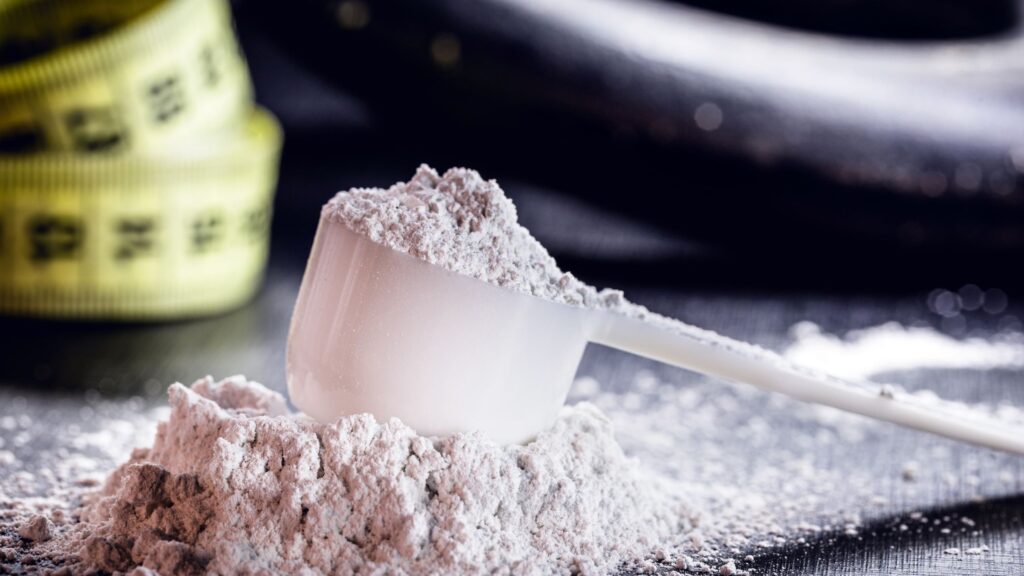
If your goals include muscle gain, improved workout performance, accelerated recovery, or cognitive support, creatine supplementation is a low-cost, high-reward strategy. Its safety profile and breadth of benefits from powerlifting supplements to brain health, make it an ideal addition for athletes and non-athletes alike.
Consistent use, paired with a balanced diet and structured training, unlocks creatine’s full potential. Begin with 3-5 g/day, monitor your body’s response, and adjust hydration to match.
Conclusion
Creatine supplements offer a scientifically backed way to enhance muscle growth, boost workout performance, and support cognitive health. With minimal side effects and versatile applications from powerlifters to vegetarians adding 3-5 g/day of creatine monohydrate can elevate both physical and mental resilience.
For expert guidance on supplement strategies, personalized nutrition plans, and in-depth reviews, visit Grey Journal and take the next step toward optimized health and performance.
Frequently Asked Questions (FAQs)
1. What is the best brand of creatine to buy?
Look for products with third-party certifications (NSF, Informed-Choice) and minimal additives. Brands featuring pure Creapure® monohydrate often top quality charts.
2. Can creatine make you bloated?
Initial water retention is common but generally limited to intracellular compartments. Staying well-hydrated and using a 3 g/day dose can minimize bloating.
3. Is creatine only for bodybuilders?
No. While popular in strength sports, creatine benefits extend to endurance athletes, older adults, vegetarians, and anyone seeking cognitive support.
4. Do I need to cycle creatine?
Cycling is unnecessary. A steady daily intake of 3-5 g maintains muscle and brain stores effectively without breaks.
5. Will creatine cause weight gain?
An initial 1-3 lb spike from water is typical. Genuine lean mass accrual follows as training intensity and volume increase.