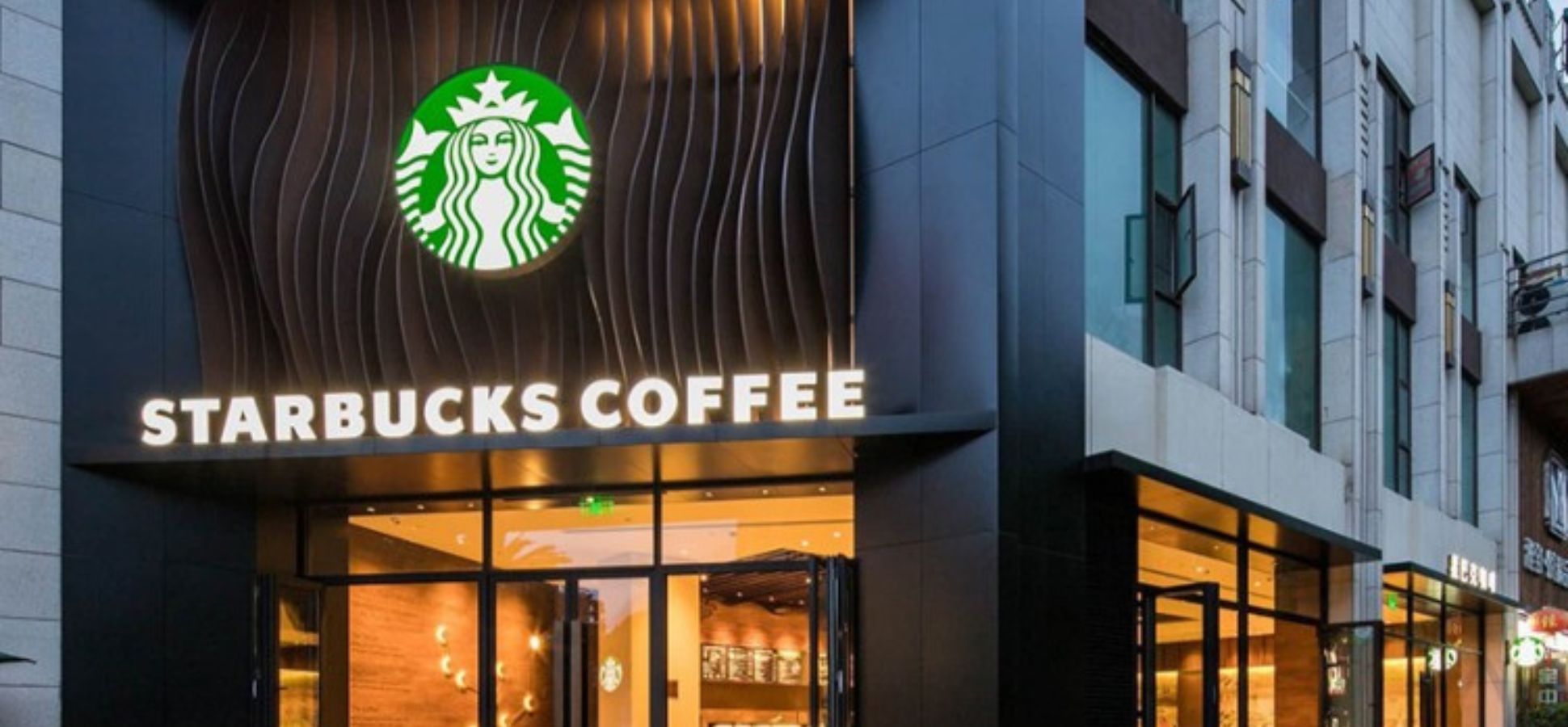
Starbucks is grappling with a major identity crisis as it tries to redefine itself in a rapidly changing market dominated by mobile orders. During a recent visit to a Chicago location, former CEO Howard Schultz witnessed firsthand the challenges the company is facing, including frustrated customers navigating chaotic pickup areas. As consumer preferences shift, Starbucks is searching for ways to modernize while staying true to its iconic coffeehouse vibe. Leading this charge is Brian Niccol, a seasoned executive known for his transformative work at Taco Bell and Chipotle, who has now stepped in as the new chairman and CEO.
Customer Expectations Under Pressure
With nearly 40,000 stores worldwide, Starbucks is under fire for its premium pricing strategy, which some say is driving away customers looking for a quick caffeine fix. Take Manhattan, for instance—where a medium Pumpkin Spice Latte can run close to $8—while local cafes and convenience stores offer cheaper alternatives. Chris Kayes, a management professor at The George Washington University, points out that Starbucks may have lost its way with ineffective marketing, adding to the company’s current struggles.
Niccol’s Plan for Change
Since taking over, Niccol has been visiting various Starbucks locations, speaking with baristas and customers to better understand the challenges. One immediate priority is simplifying Starbucks’ massive menu, which, as Schultz noted, can result in over 100,000 different drink combinations. This complexity is not only overwhelming but is also contributing to operational inefficiencies. Phil Kafarakis of the International Foodservice Manufacturers’ Association stresses the need for Starbucks to streamline its offerings if it wants to maintain the high-quality experience its customers expect.
Balancing Complexity and Speed of Service
As customers increasingly customize their drinks, baristas face the pressure of delivering orders quickly—despite staffing shortages in many locations. While Starbucks has introduced automated brewing equipment to help with efficiency, it hasn’t fully kept up with the surge in demand. This lag shows in service times, with only 62% of Starbucks customers receiving their orders within five minutes, compared to 77% of Caribou Coffee patrons.
What’s Next for Starbucks
Starbucks’ path forward is anything but straightforward. The company faces stiff competition in global markets like China and continues to deal with employee unionization efforts in the U.S., with many stores voting to unionize since 2021. Investors, however, remain hopeful, looking to Niccol’s success in revitalizing Chipotle as a blueprint for Starbucks. With his contract potentially worth over $100 million in the first year, the stakes couldn’t be higher. Along with operational changes, employees are eager to see improvements in working conditions as Niccol’s leadership takes shape.