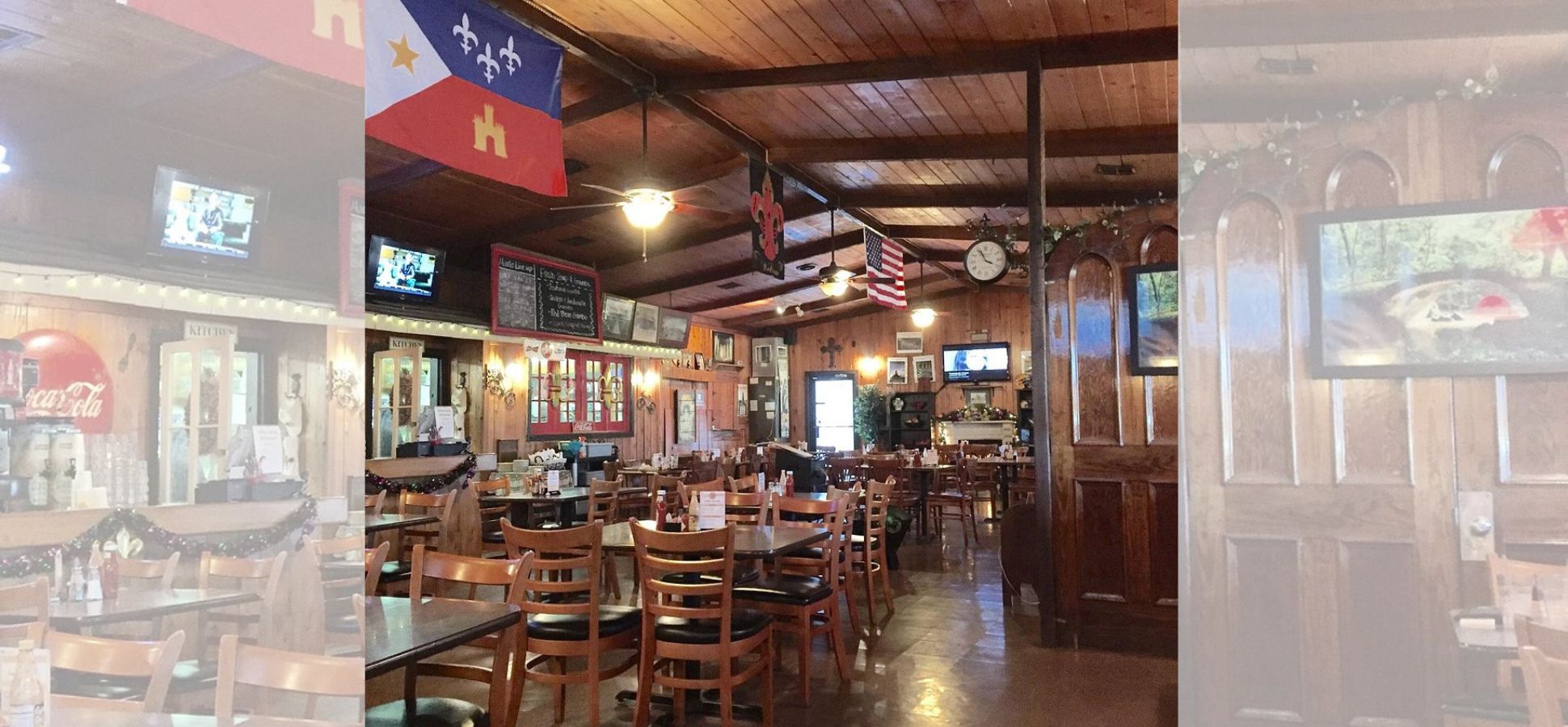
Sisters Jo and Dr. Joy Banner live just miles from where their ancestors were enslaved over 200 years ago in St. John the Baptist Parish, Louisiana. Their Creole cottage café in Wallace, a small riverfront town, stands near property their great-grandparents acquired more than a century ago. Dedicated to preserving this historic area from the encroachment of heavy industry seen across the Mississippi River, the Banners now face a new challenge. Together with their nonprofit, The Descendants Project, they aim to stop a proposed 222-acre grain export facility set to be built dangerously close to their land and several historic sites.
The Fight to Preserve Wallace’s Heritage
The Banners’ sentiments resonate with residents in other towns along Louisiana’s Cancer Alley—a region from New Orleans to Baton Rouge filled with industrial plants emitting toxic pollutants, including known carcinogens. For nearly two years, The Descendants Project has been battling Greenfield Louisiana LLC, the company behind the grain terminal proposal, and the local St. John the Baptist Parish Council. The proposed facility aims to handle grain byproducts transported by trucks, trains, and barges. While some residents support the project, fearing for the historic landmarks and the environment, others like Gail Zeringue voice concerns over the escalating industrial footprint on their land.
Local Concerns on Environmental Impact
Recently, the Parish Council rezoned nearly 1,300 acres of property for heavy industry, marking a significant shift towards industrialization. The U.S. Army Corps of Engineers expressed concerns that the grain terminal could negatively impact historic sites, including the Evergreen, Oak Alley, and Whitney plantations. The U.S. Department of Health and Human Services also warned that the terminal might exacerbate existing environmental burdens in St. John the Baptist Parish. While Greenfield awaits permit approval, the company maintains that their facility will be safe, green, and chemical-free, incorporating dust collection systems to minimize emissions.
Balancing Preservation and Economic Development
The proposed facility has sparked a debate among Wallace residents over the town’s future. Some worry that losing the area’s historical integrity could jeopardize the town’s prosperity, while others believe the facility could bring much-needed economic development and job opportunities. Wallace struggles with declining school enrollment and limited local businesses, lacking even a gas station. Greenfield promises to create over 1,000 temporary jobs during construction and 370 permanent positions post-construction, coupled with local job fairs and training programs.
Maintaining Historical Significance
Despite recognizing Wallace’s historical importance, Greenfield has made efforts to ensure any found artifacts are preserved. They plan to involve the State Historic Preservation Office and other organizations to manage discoveries responsibly. Yet, the conflict remains—how to balance the town’s rich history with its potential for economic growth. Through their nonprofit, the Banners aim to foster a network of historic communities while preventing industrial encroachment on their land. They recently relocated an ancestral plantation house to their property, hoping for historical recognition and to block industrial development. Jo Banner emphasizes the importance of keeping industrial projects out to protect their heritage.