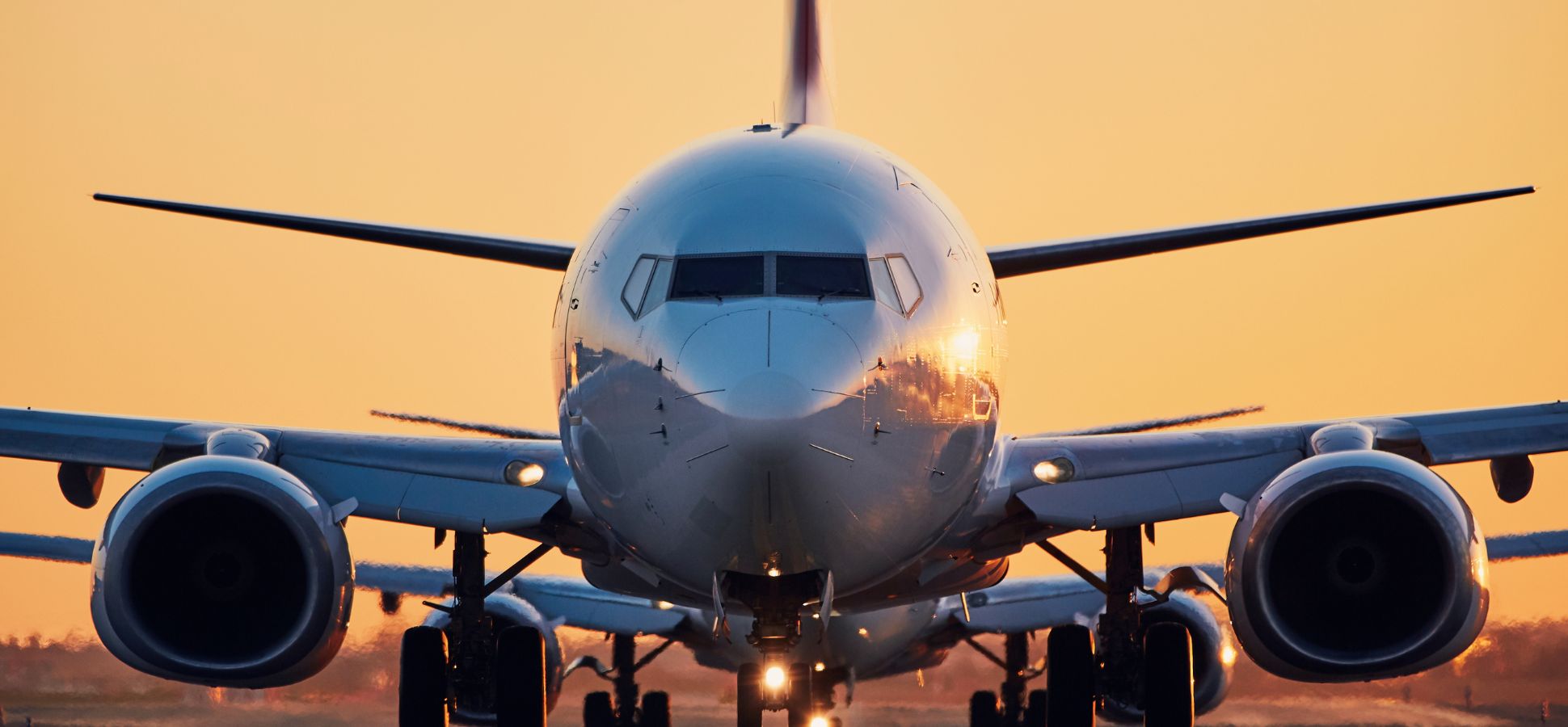
As Boeing enters into one of its most critical periods, CEO Dave Calhoun, who has announced his intention to resign by the conclusion of the year, is set to testify before a Senate committee regarding pressing issues related to the company’s product quality and safety practices. This comes after a Boeing 737 Max 9, almost brand new, experienced an unexpected blowout of a door panel back in January. Yet, the aerospace company has not declared a replacement for departing Calhoun, who took the reins following the expulsion of the prior CEO related to two fatal crashes involving Boeing’s 737 Max jets.
Boeing has been under increasing pressure to reinforce its staff training measures and aircraft quality and has been fighting to rebuild its damaged reputation for safety. “We have listened to concerns about Boeing’s culture, and although our culture is far from flawless, we are taking steps and making progress,” Calhoun will affirm to the committee, per his written testimony submitted before the hearing.
This hearing happens as Boeing faces potential legal action from the United States, with the Justice Department disclosing last month that Boeing violated a 2021 agreement tied to the fatal 737 Max crashes in 2018 and 2019, which killed 346 individuals. This deal, having safeguarded the firm and its executives from facing criminal charges linked to the crashes, was due to expire shortly following the Alaska Airlines door panel blowout in January. The Justice Department will need to decide by July 7 whether to proceed with legal action.
Relatives of victims from the tragic Max accidents are expected to attend the hearing. Close family members of the victims met with Justice Department personnel last month to lobby for an official prosecution of Boeing. “We had a commitment from Boeing to reform its safety procedures and culture, and it was an empty promise. The American public deserves to know why,” commented Sen. Richard Blumenthal, D-Conn., and chairman of the subcommittee, before the hearing.
The Federal Aviation Administration (FAA) has maintained a strong stance against Boeing. Until the FAA is pleased with Boeing’s safety enhancements, it continues to place its inspectors at the aerospace corporation’s locations. The FAA has already paused Boeing’s production increase of the Max, its top-selling aircraft, which is expected to last several months.
The consequential crisis has harmed Boeing’s aircraft manufacturing, leading large customers, including Southwest Airlines and United Airlines, to modify their expansion and recruitment strategies. Due to the decrease in production and deliveries, Boeing’s cash flow has suffered, and the company warned its investors last month of the likelihood of cash burn rather than generation throughout the year.
As a result, Boeing’s shares have declined by over 30% so far this year, in stark contrast to the approximately 15% increase in the S&P 500. To tackle faults, Boeing is striving to exterminate any quality issues in its airplanes while simultaneously diminishing ‘traveled work,’ where manufacturing stages are conducted out of sequence.
At the same time, Boeing is wrestling with supply chain difficulties. Last week, Spirit AeroSystems, a vital supplier for both Boeing and Airbus, revealed that fraudulent documentation had entered the titanium supply chain. The supplier assured that, despite the phony documentation, an extensive examination of over 1,000 tests confirm the material as “airplane-grade titanium.”
On another front, Boeing is plotting to acquire the fuselage supplier Spirit, a transaction Calhoun believes is highly likely to wrap up within the first half of this year.