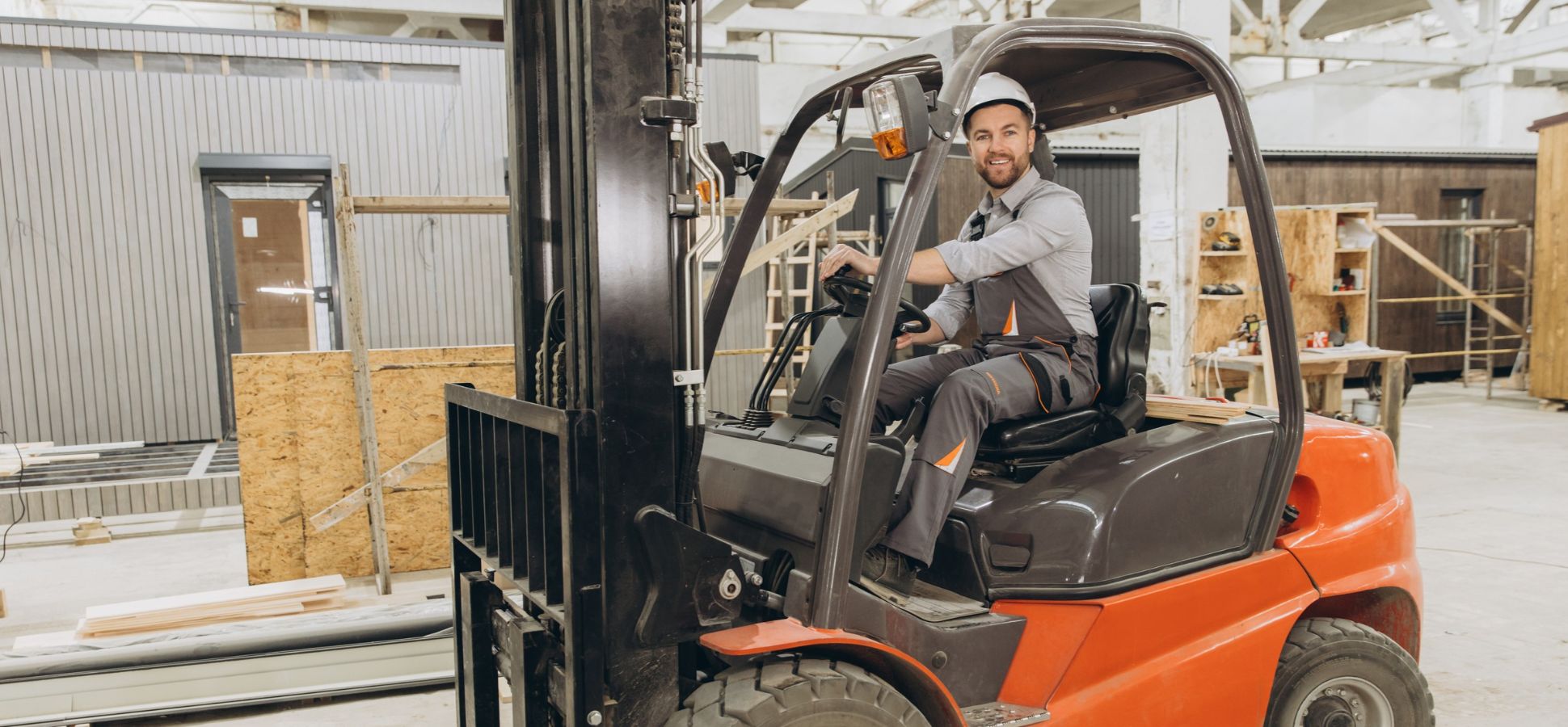
Short-term projects often operate under strict deadlines, limited storage, and changing material-handling needs. Buying a forklift creates costs that extend beyond the equipment itself, including transport, maintenance, storage, and eventual resale. Local rental arrangements reduce those demands while putting the right machine near the job site. They also simplify scheduling when work plans change. Several practical advantages explain why local forklift rental fits short-term construction, warehouse, manufacturing, and event projects.
Faster Delivery and Simpler Scheduling
A local rental provider can coordinate dispatch within the same service area, reducing the travel distance between the equipment yard and job site. That shorter route often simplifies delivery planning, especially when a project needs a forklift after another task runs late.
Contractors comparing equipment options can review forklift rental St. Louis when a project takes place. A nearby provider can discuss the job requirements, confirm availability, and arrange delivery around the work schedule. Local coordination also reduces delays caused by long-distance transportation, unfamiliar site conditions, or complicated handoffs. That efficiency gives crews more time to work productively during a short rental period.
The Right Equipment For A Defined Task
Short-term work rarely requires the same machine for every assignment. A contractor might need to unload building materials one week, move palletized products the next, or support an indoor installation after that. Renting lets you match equipment to the task instead of forcing one machine into every situation.
Before reserving a forklift, the project manager should document the required lifting capacity, maximum load height, travel surface, aisle width, and operating environment. Indoor work can require different equipment considerations than outdoor work on uneven ground. Accurate job details help the rental provider recommend equipment that fits the site and reduces avoidable changes after delivery.
Less Time Spent On Ownership Tasks
Forklift ownership involves more than the purchase price. A business must plan for storage, scheduled service, repairs, inspections, battery charging or fuel management, and equipment downtime. Those tasks continue even when the forklift sits unused between projects.
Rental shifts those responsibilities away from a short-term project budget. The business pays for access during the needed period instead of carrying an idle asset through slower months. That arrangement also helps managers avoid arranging long-term storage or finding another department that needs the machine after the project ends.
Fewer Transportation and Storage Demands
Moving a forklift between locations requires suitable transportation, loading procedures, route planning, and time from qualified personnel. A local rental arrangement reduces the distance involved and gives the project team a clearer delivery plan.
Storage creates another time demand. A forklift needs a secure location when it is not operating, protected from weather, unauthorized use, and accidental damage. Short-term renters can schedule delivery near the start of work and arrange pickup after the final lift, limiting how long the equipment occupies valuable space.
Better Control Of Project Costs
A short rental period creates a more direct connection between equipment use and project spending. Managers can estimate the rental term, delivery costs, operator requirements, and any site preparation before work begins. That information supports a clearer job estimate than an ownership decision based on a single project.
Project leaders should also account for possible schedule changes. A rental agreement needs clear terms for extensions, early pickup, delivery windows, damage responsibility, and service support. Reviewing those details before dispatch helps prevent confusion if the work finishes early or takes longer than planned.
Local Support Can Reduce Downtime
Equipment problems consume valuable hours when a project has a narrow completion window. A local provider can coordinate service communication and respond to questions without relying on a distant branch or unfamiliar contact.
The project team should inspect the forklift on delivery and record its visible condition, any operating concerns, and included accessories. Operators should follow the equipment instructions and report problems promptly. Clear communication helps separate a simple operating question from a service issue that requires attention.
Conclusion
Local forklift rental gives short-term projects a practical way to control equipment time, transportation, storage, and ownership duties. The greatest savings often come from better scheduling rather than the rental rate alone. Project managers should confirm load requirements, site conditions, delivery timing, operator needs, and extension terms before reserving equipment. For work in the St. Louis area, contacting a local rental provider early creates a clearer plan and reduces last-minute equipment decisions.