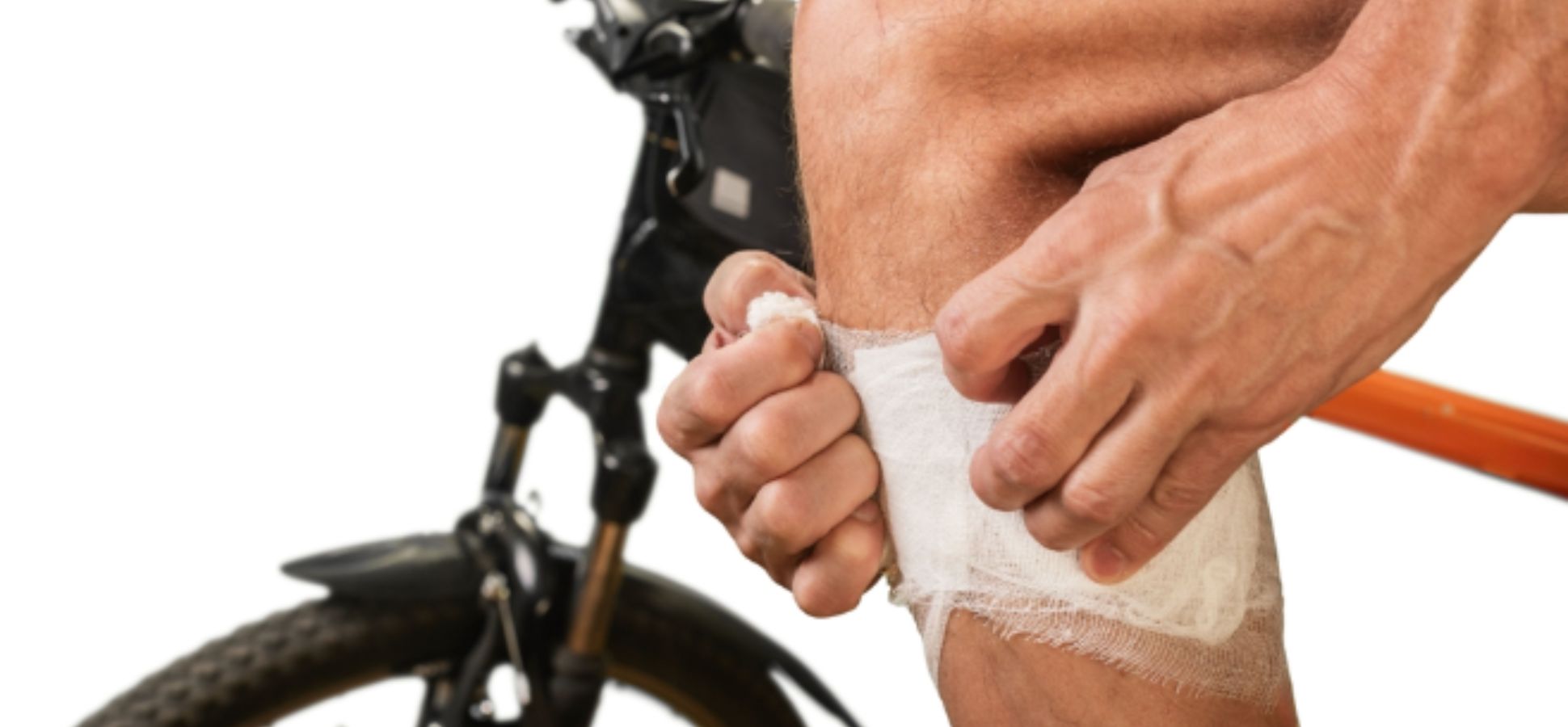
Submitting an insurance claim may seem like the biggest task after a bicycle accident, but it is only the beginning of the process. An insurer may question who caused the crash, ask for more documents, or disagree with the amount requested. Meanwhile, medical bills and repair costs can continue to grow, leaving the injured cyclist unsure about the next step.
Knowing what to do after a bicycle accident becomes especially important when a claim does not go as expected. Understanding the coverage available, keeping important paperwork organized, and responding carefully to the insurer can help reduce confusion. With a clear plan, cyclists can address insurance problems more confidently while focusing on their recovery and daily needs.
Find Out Which Insurance Policy May Cover the Losses
Not every bicycle accident follows the same insurance process. If a driver hits a cyclist, the driver’s auto insurance may cover certain losses, depending on the circumstances and policy terms. A cyclist’s own auto insurance or health insurance may also provide coverage in some situations.
Start by identifying the insurance companies involved and asking which policy may apply. Check the policy details instead of assuming that one insurer will cover every expense.
Some useful questions include:
- Which policy may cover the injuries and related costs?
- Does the policy have coverage limits or specific conditions?
- Are additional forms or documents required to open a claim?
Getting clear answers early can help prevent confusion and reduce the chance of sending information to the wrong company.
Keep a Clear Account of How the Accident Happened
Insurance companies may ask different questions about a bicycle accident, especially if the people involved disagree about what happened. A clear account can help keep the facts organized and make it easier to respond to those questions.
Write down the details while they are still easy to recall. Include the date, location, direction of travel, and actions of the people involved. Keep photographs of the scene, bicycle damage, visible injuries, and any relevant road conditions.
If witnesses saw the collision, save their contact details if available. A police report may also help explain the circumstances.
Avoid guessing about unclear details. If an insurer asks about something you cannot remember, say so rather than filling in missing information. Accurate statements are more useful than confident answers that may later prove incorrect.
Respond Carefully to Questions About Your Claim
A claim can become difficult if an insurer challenges the cyclist’s account, questions the seriousness of an injury, or disputes the amount requested. A quick response is not always the best response. Read each request carefully and make sure you understand what the company needs.
Keep copies of emails, letters, forms, and other communications. If a representative makes an important statement during a phone call, record the date, the person’s name, and the main points discussed.
Before signing a statement or accepting a settlement, review its terms. A settlement may affect your ability to seek payment for other losses later. If the offer seems unclear or does not account for ongoing treatment, ask questions before agreeing.
Track Every Cost Linked to the Collision
The financial impact of a bicycle accident may continue long after the initial treatment. Follow-up appointments, medication, bicycle repairs, and missed work can add to the total cost. Keeping these expenses organized helps show how the accident has affected daily life.
Create a simple folder or spreadsheet for related costs. Include:
- Medical bills, prescriptions, and treatment receipts.
- Bicycle repair estimates or replacement costs.
- Pay stubs or employer details showing missed work.
- Travel expenses for medical appointments, where applicable.
Save updated bills as they arrive instead of waiting until the insurer asks for them. If an expense is still uncertain, note that it may change. This gives you a clearer picture of the total financial impact without treating an early estimate as the final amount.
Follow Up if the Insurance Process Stops
Long periods without an answer can leave cyclists unsure about their next step. If an insurer delays a decision, contact the claims representative and ask what remains outstanding. Request a written explanation if the company disputes coverage, rejects part of a claim, or needs more information.
Keep a timeline of important events, including:
- The date the claim was submitted.
- Requests for additional information.
- Follow-up calls and written responses.
- Decisions, payment offers, or reasons for delays.
Review any policy requirements and applicable deadlines. If the insurer continues to delay or refuses to explain its decision, you may be able to use its complaint process or contact the relevant insurance regulator. The available options depend on the policy and applicable law.
Know When Outside Help May Be Useful
Some insurance disputes are difficult to resolve through routine communication. An insurer may deny responsibility, question the value of an injury claim, or offer less than the documented losses appear to support.
In these situations, a bicycle accident attorney may review the claim, explain available options, and communicate with the insurance company. Legal guidance may be particularly helpful if several policies are involved or the financial losses are substantial.
Keep your documents organized before seeking advice. A clear timeline, copies of insurer communications, and a list of expenses can help explain the dispute without leaving out important details.
Taking Control of Your Bicycle Accident Claim
Insurance problems can make recovery harder, but an organized approach can help you manage the process. Check the available coverage, keep an accurate account of the accident, track expenses, and ask for clear answers if a claim stalls. These steps can help you make informed decisions instead of feeling pressured by delays or settlement offers.
If you are unsure what to do after a bicycle accident because an insurer disputes your claim, consult with a bicycle accident attorney about your options. Getting guidance early may help you understand the next steps and decide how to address the dispute.