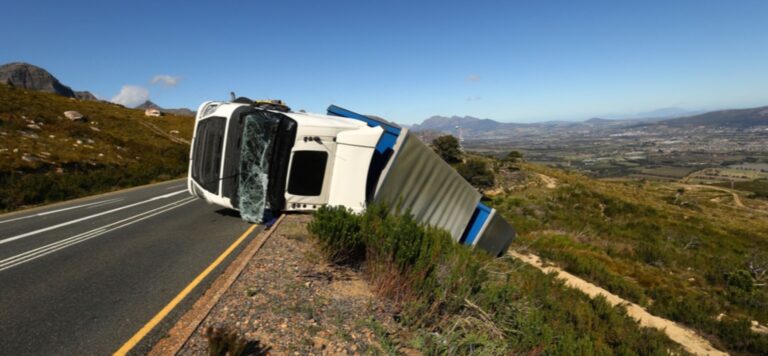
Car accident statistics can help identify road-safety concerns in Morgantown, West Virginia, including collision patterns, contributing behaviors, and areas that may need improvements. However, the figures must be interpreted carefully because totals can vary by year, crash severity, reporting practices, and the types of roads included.
Knowing the causes of traffic accidents can help residents recognize preventable risks and make safer choices. Official crash reports are especially useful because they provide a more reliable basis for evaluating local road conditions than isolated news stories or personal impressions.
Understanding What Crash Statistics Measure
Traffic statistics may track the number of reported collisions, injuries, fatalities, and crashes involving particular contributing factors. Some reports distinguish between urban streets, rural roads, and highway crashes, while others focus on statewide trends.
These categories matter. A rise in reported crashes does not automatically mean that driving has become less safe; traffic volume, population changes, and reporting practices can also affect the numbers.
To understand Morgantown’s road-safety picture, compare data from consistent sources across multiple years and examine both crash totals and rates when reliable traffic-volume information is available.
Driver Behaviors That Contribute to Collisions
Speeding, distracted driving, impairment, and failure to yield are common factors investigated in traffic crashes. These behaviors can reduce reaction time and make it harder to avoid hazards.
In areas with heavy traffic, drivers may encounter sudden stops, turning vehicles, pedestrians, and cyclists within a short distance. Remaining attentive, keeping a safe following distance, and obeying traffic signals can reduce the risk of preventable collisions.
Weather and visibility also deserve attention. Rain, fog, and winter conditions can affect stopping distances and vehicle control, particularly when drivers fail to adjust their speed.
The Importance of Local Road Conditions
Road design can influence how drivers respond to traffic. Complex intersections, limited sightlines, merging lanes, and areas with frequent pedestrian activity may require additional caution.
Morgantown’s mix of local streets and routes serving regional traffic means road conditions can vary significantly by location. Reviewing official crash locations alongside road layouts may help transportation officials identify places where engineering changes, clearer signs, or improved crossings could be useful.
Statistics alone cannot establish that a particular road feature caused a collision. Detailed investigations are needed to understand the circumstances behind individual crashes.
Finding Reliable Morgantown Crash Data
Drivers seeking accurate information should consult the West Virginia Department of Transportation, the West Virginia Governor’s Highway Safety Program, and relevant law-enforcement reports. National Highway Traffic Safety Administration data can provide broader comparisons, particularly for fatal crashes.
Check the reporting period, geographic boundaries, and definitions before comparing figures. A city-level total should not be compared directly with a countywide or statewide figure without accounting for those differences.
Turning Statistics Into Safer Driving
Local crash data is most useful when it leads to practical action. Drivers can reduce risk by avoiding phone use, choosing safe speeds, wearing seat belts, and never driving while impaired.
Community members can also report visibility problems or damaged road signs to the appropriate local authority. Reliable evidence helps residents and officials focus on specific risks instead of relying on guesswork.
How Crash Data Supports Community Safety
Consistent review of accident trends can help Morgantown residents, local authorities, and transportation planners make informed decisions about road safety. Identifying recurring hazards and high-risk driving behaviors can guide public awareness campaigns and targeted road improvements. Over time, these efforts may help prevent collisions, protect vulnerable road users, and make daily travel safer for the community.
Points to Remember
- Crash statistics help identify patterns but do not explain every collision.
- Speeding, distraction, impairment, and failure to yield are important safety concerns.
- Road design, weather, and traffic volume can affect crash patterns.
- Official state and federal sources provide more reliable data than isolated reports.
- Defensive driving and evidence-based road improvements can help reduce risks.