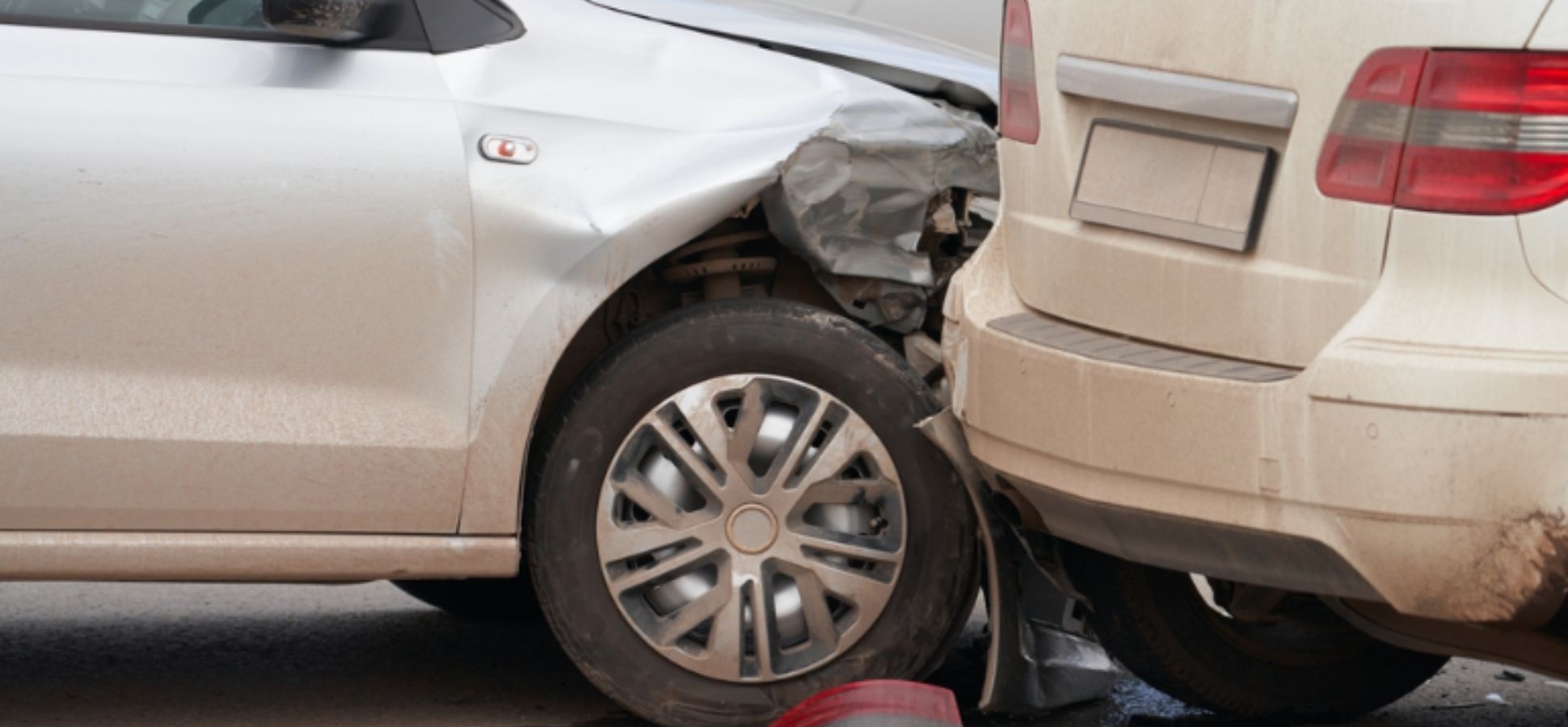
The damage seems to point in one direction: one car has a crushed front bumper, and the other has a damaged rear. Yet an insurance claim can raise questions that the photographs cannot answer. Who caused the impact? How much treatment was necessary?
A driver injured in a rear-end crash may expect a simple claim, only to face disagreements over medical bills or repair costs. The real challenge is often proving the full effect of the collision, not simply identifying who struck whom. That difference can surprise people who believed a rear impact would lead to a fairly quick settlement.
Clear Fault Does Not Always Mean Clear Liability
Rear drivers are often expected to leave enough space to stop safely. That is why responsibility may appear obvious after a collision from behind. Still, investigators can examine what happened before impact rather than relying on vehicle positions alone.
A sudden lane change, broken brake lights, or an unusual stop could raise questions about another driver’s actions. They simply show why an insurer may review both accounts. The distinction matters: a common assumption about fault is not the same as a finding based on evidence. That is true if drivers disagree about events before impact.
The Real Extent of Injuries May Be Questioned
A clear account of the crash does not always produce a clear account of injuries. Neck and back discomfort may change over time, and symptoms may be difficult to measure from photographs. Insurance reviewers may ask whether the reported problems came from this collision or an earlier condition.
Medical records help answer those questions by showing examination findings, symptoms, and treatment dates. Follow-up notes can also describe changes during recovery. The useful evidence is a consistent description supported by medical evaluation, not an assumption based on the damaged vehicle.
Vehicle Damage May Not Reflect the Seriousness of Injuries
A small dent can lead to a large disagreement. An insurer may look at a bumper that needs little repair and question a claim involving extensive medical care. But repair costs alone cannot establish how seriously someone was hurt.
Vehicles differ in size and design, while seating position and impact conditions can also vary. Photographs and repair estimates help describe the collision, but medical records are needed to assess injuries. The better question is whether the available information supports the injuries and losses being claimed, not whether the car looks damaged enough.
Insurance Companies May Disagree About Compensation
An insurance company might accept that its driver caused the impact while disagreeing with the requested payment. It may question certain treatment costs, time away from work, or expenses it considers unrelated to the crash. That can make negotiations difficult even without a major dispute over fault.
A settlement offer also may not account for every documented loss. Medical statements, employer records, repair invoices, and receipts can help show what was actually spent or missed. For someone injured in a rear-end crash, the amount offered is a separate issue from the question of who hit the other vehicle.
Missing or Conflicting Evidence Can Create Problems
A claim becomes harder to review if important records are missing or different accounts conflict. Useful materials may include:
- Scene photographs: Images can show vehicle positions, visible damage, road markings, and nearby signs.
- Witness information: Independent accounts may clarify a disputed stop or lane change.
- Police reports: Recorded observations and statements can provide context, though a report may not settle every issue.
- Expense records: Bills, receipts, and proof of missed work can support claimed losses.
Keeping copies together makes it easier to compare details. Dates and files can be useful if memories differ later.
Shared Fault Can Change the Outcome of a Claim
The rear driver may be mostly responsible without necessarily being the only person who contributed. For example, a front driver might move abruptly into a narrow gap just before the impact.
Some states reduce compensation based on an injured person’s share of fault, while others use different rules. A statement such as “the rear driver always pays” oversimplifies the issue. A fair review looks at each driver’s conduct and the applicable rules rather than relying on a shortcut.
A Clear Impact Can Still Leave Open Questions
The position of two damaged cars may explain the direction of a collision, but it cannot establish every part of an injury claim. Medical findings, repair evidence, expense records, and the actions of both drivers can all become subjects of disagreement. An admission of fault does not automatically resolve compensation. Keeping accurate records and examining disputed details can provide a clearer basis for discussions with insurers. Where questions remain, a qualified professional can review the specific circumstances.