Most autonomy stories are about replacing pilots, drivers, or people in general. Reliable Robotics just raised $115 million at a valuation above $1 billion for a less cinematic version: an autopilot that handles the parts of flying pilots hate, installed on planes that already exist, certified by the FAA one careful piece at a time. In one of the most regulated industries in the world, boring was the strategy.
Key takeaways
- Reliable Robotics raised $115 million – $90 million in equity led by Nimble Partners plus $25 million in debt from Silicon Valley Bank – extending its Series D to $275 million and pushing its valuation past $1 billion, per TechCrunch.
- The company retrofits existing aircraft with autonomous flight systems instead of building new ones, and runs its own six-plane cargo airline out of Albuquerque to prove the tech.
- Certification is the business: four parallel FAA approvals, with the first expected in 18 to 24 months, per CEO Robert Rose.
- Total raised: $380 million over nine years. All timeline and valuation figures are company- or investor-reported.
The round
The financing, announced October 20, brings Reliable’s total funding to $380 million, per TechCrunch. Other investors include Gideon Strategic Partners, RockCreek, Geek Ventures, Gold Hill Capital and Sparkwave Capital. The debt-plus-equity mix is itself a signal: lenders do not write checks against hype cycles, they write them against certification evidence.
Rose is the founder-story core. He was director of flight software at SpaceX, with stints at Tesla and Google. Co-founder and CTO Juerg Frefel spent nearly a decade as a SpaceX engineer. Nine years ago they committed to certifying autonomy with the FAA, and the round says investors believe they are winning it. “We continue to make steady progress and deliver evidence to the FAA and every day, we inch closer and closer,” Rose told TechCrunch.
Four certifications, one moat
Reliable is pursuing four linked FAA certifications. First: continuous autopilot engagement, which handles engine startup, taxi, takeoff and landing while the pilot supervises through a touchscreen – Rose expects approval in 18 to 24 months. Second, at least three years out: removing the pilot from the cockpit to a ground-control station. Third: a solid-state collision-avoidance radar the company built in-house after legacy suppliers passed, expected certified by the end of 2027 – cheaper and higher-resolution than moving-antenna systems, per Rose, and relevant after recent commercial aviation collisions. Fourth: certifying Reliable Airlines itself, the company’s own carrier, which flies six Cessna Caravans on cargo routes six days a week.
That last piece is the part founders should study. Reliable did not wait for a customer to volunteer as the test case. It became its own customer – a working airline with real freight and real FAA oversight – so the certification evidence accumulates on revenue-generating operations, not demos.
Nimble Partners founder John Burbank framed the bet: the system is airframe-agnostic, so the first approval is not one product but the template for an industry, the way autonomy became the path for cars.
What it means if you are building in a regulated market
Three lessons transfer. First, pick retrofit over replacement when the incumbent fleet is enormous – Reliable sells to every existing airframe instead of asking the market to buy a new plane. Second, treat the regulator as a customer whose requirements you document early; nine years of evidence-gathering is the moat competitors now have to replicate. Third, own your proving ground: the Albuquerque airline turns certification cost into operating revenue.
None of this makes the timeline short. Even the first certification is up to two years away. That is precisely why the round matters – patient capital just repriced patience itself.
Frequently asked questions
What does Reliable Robotics do?
Reliable Robotics builds autonomous flight systems that retrofit onto existing aircraft, handling engine startup, taxi, takeoff and landing under pilot supervision. It also operates Reliable Airlines, a six-plane Cessna Caravan cargo airline based in Albuquerque, as its real-world certification platform.
How much has Reliable Robotics raised?
Reliable announced $115 million on October 20, 2026 – $90 million in equity led by Nimble Partners plus $25 million in debt from Silicon Valley Bank – extending its Series D to $275 million. Total funding is $380 million at a valuation above $1 billion, per TechCrunch.
Who founded Reliable Robotics?
CEO Robert Rose, formerly director of flight software at SpaceX with stints at Tesla and Google, and CTO Juerg Frefel, a SpaceX engineering veteran of nearly a decade. They founded the company about nine years ago in Mountain View, California.
When will autonomous cargo flights actually happen?
Reliable’s first certification – supervised autopilot with a pilot aboard – is expected in 18 to 24 months, per Rose. Moving the pilot to a ground station is at least three years away, and its collision-avoidance radar is targeted for certification by end of 2027. These are company-reported timelines in a process the FAA controls.
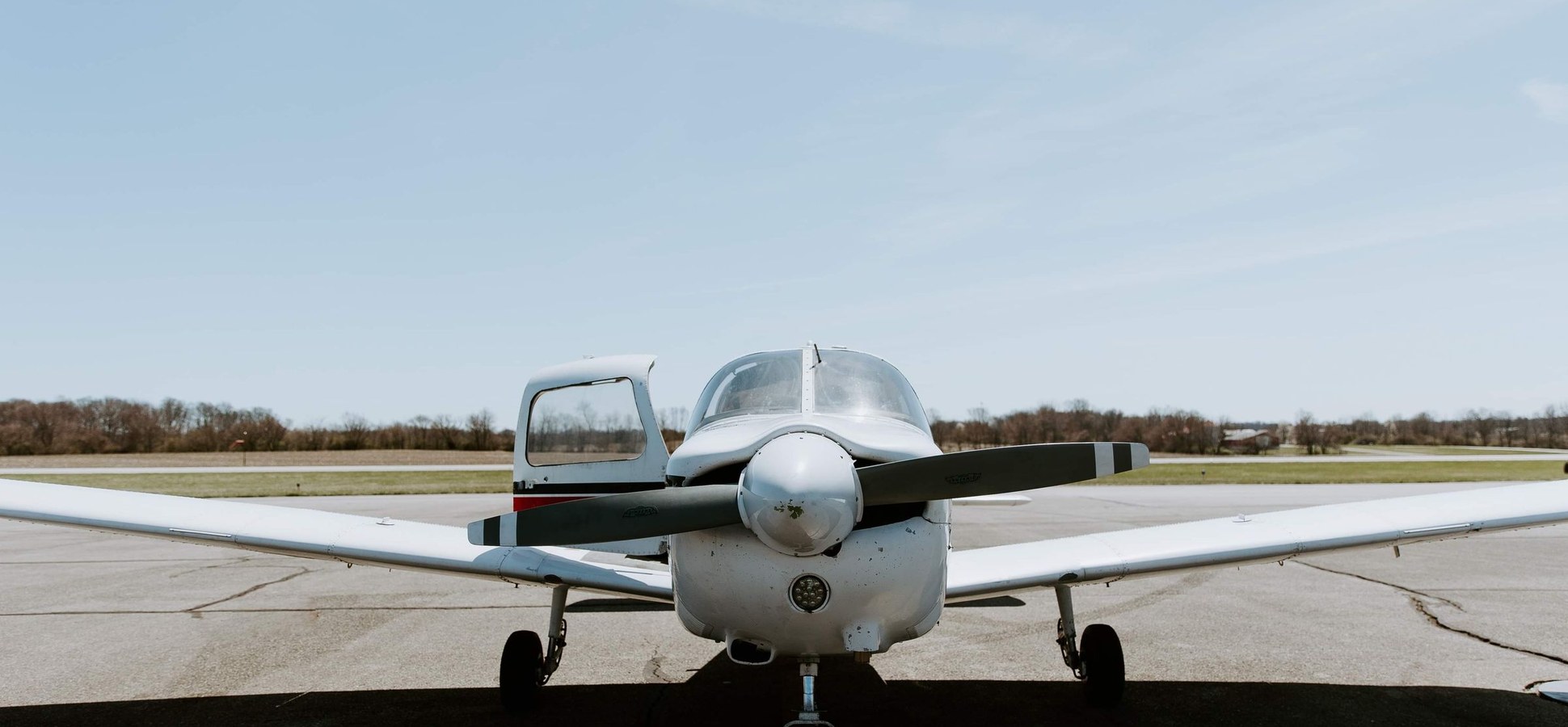
Method: TechCrunch’s October 20 report, fully fetched October 21. All funding, valuation, certification-timeline and performance figures are company- or investor-reported and labeled as such. This article is not investment advice. Photos are illustrative aviation scenes, not Reliable Robotics aircraft.