
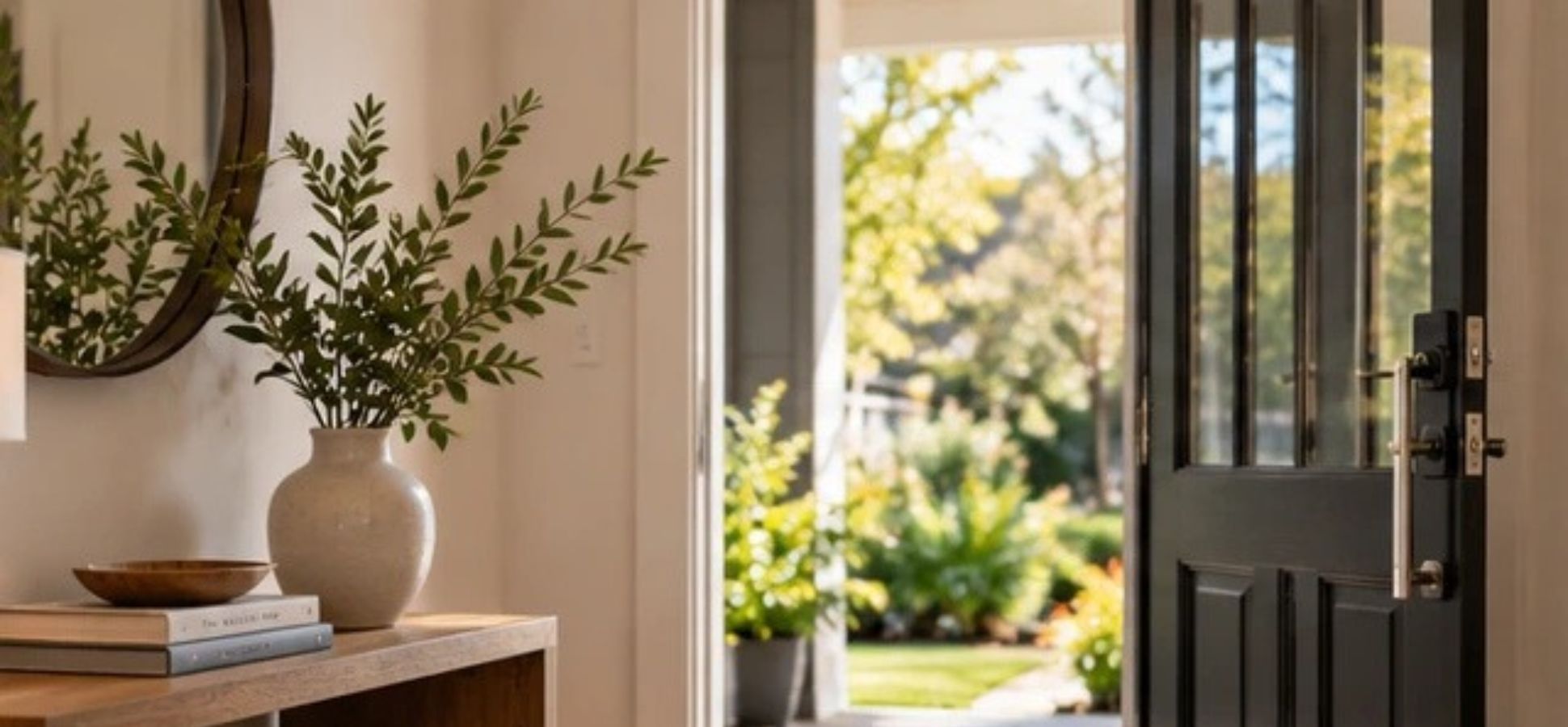
A beautiful home is often judged by what can be seen first: balanced colors‚ considered furniture‚ natural light‚ attractive materials and a sense that every room belongs together. Yet the homes that feel best over time usually have another quality that is less visible. They work smoothly. Storage is where it is needed‚ lighting supports everyday routines‚ surfaces are easy to maintain and small practical decisions prevent ordinary household problems from becoming disruptive.
Good design also includes preparation for the things that are impossible to plan perfectly. Keeping reliable contact details for a plumber‚ electrician and emergency door repair service may not feel like part of interior design‚ but it protects the comfort that thoughtful design is meant to create. A beautiful space becomes much less enjoyable when a leak‚ electrical fault or unusable entrance suddenly turns a normal day into a scramble for help.
Function Should Shape the Layout
A room can look perfect in photographs and still feel frustrating in everyday life. This usually happens when furniture placement and circulation are considered after the visual concept rather than alongside it.
The paths between entrances‚ seating areas‚ storage and frequently used rooms should feel natural. Furniture should not force people to turn sideways through narrow gaps or walk around unnecessary obstacles. Doors and drawers need enough clearance to open fully‚ while regularly used items should be reachable without moving something else first.
The most successful layouts often appear simple because they remove friction. A table is positioned where chairs can actually be pulled out. A console does not block the entrance. A bedroom has enough space beside the bed to move comfortably in the dark.
These practical choices rarely become the focal point of the design‚ but they influence how the home feels every day.
Storage Works Best Where Clutter Begins
Storage is most effective when it responds to real habits rather than ideal ones.
If shoes regularly collect by the entrance‚ storage belongs near the entrance. If keys and mail always land on the kitchen counter‚ creating a designated place nearby is more realistic than expecting everyone to carry them into another room.
The same principle applies throughout the home. Blankets need storage close to seating areas. Cleaning supplies should be convenient to the rooms where they are used. Bathroom products need somewhere to go that does not turn every visible surface into storage.
Closed cabinets are useful‚ but not everything has to disappear. Baskets‚ trays‚ hooks and open shelves can all contribute to organization when their contents are selected carefully.
The goal is not to create a home that never looks lived in. It is to make restoring order easy.
Lighting Needs to Support More Than Atmosphere
Lighting has a major effect on how a home looks‚ but it also determines how easily people can perform everyday tasks.
A single central ceiling fixture may provide general brightness while leaving work surfaces‚ reading areas or hallways poorly lit. Layered lighting creates a more adaptable space.
A practical lighting plan might include:
- General Lighting for comfortable movement through the room
- Task Lighting for cooking‚ reading‚ grooming or working
- Accent Lighting for artwork and architectural features
- Low-Level Lighting for hallways and nighttime movement
- Exterior Lighting around entrances‚ steps and paths
Switch locations matter too. A beautifully lit room becomes less convenient when the only controls are positioned far from where people naturally enter or leave.
Dimmer switches can help one room serve several purposes without adding more fixtures.
Materials Should Match the Way the Room Is Used
Material choice is one area where beauty and practicality need to be considered together.
A delicate surface may work perfectly in a rarely used room and become frustrating in a busy kitchen or entryway. Similarly‚ flooring that looks impressive in a showroom may demand more maintenance than a household realistically wants to provide.
Before choosing a finish‚ it helps to consider:
- How Frequently the surface will be touched
- Whether Moisture is likely
- How Easily marks and spills can be cleaned
- Whether Sunlight will cause noticeable fading
- How The Material is likely to age
Natural materials do not need to remain flawless to look good. Wood‚ stone and certain metals can develop character as they age. The important distinction is between attractive patina and deterioration that creates maintenance problems.
Small Maintenance Access Makes a Big Difference
One of the least glamorous parts of home planning is access to the systems that keep everything working.
Shutoff valves‚ electrical panels‚ heating controls‚ filters and plumbing access points should remain reachable. Covering them completely may create a cleaner visual result initially‚ but it can make routine service unnecessarily difficult later.
The same applies to furniture. A heavy cabinet placed in front of an important access panel may create trouble the first time maintenance is required.
Thoughtful homes allow practical systems to exist without dominating the design. A discreet panel‚ well-planned utility cabinet or neatly organized mechanical area can preserve appearance while making future work easier.
Comfort Often Comes From Tiny Adjustments
Not every improvement requires buying something new.
A chair moved closer to a reading light‚ a hook installed beside the entrance or a rug repositioned so that it does not catch under a door can improve daily life immediately.
These adjustments are easy to underestimate because they are not dramatic transformations. Yet the experience of living in a home is built from repeated actions. Anything that removes an unnecessary inconvenience hundreds of times each year has real value.
Before starting another decorating project‚ it can be useful to notice small moments of friction:
- A Drawer that always sticks
- A Light switch that is difficult to reach
- A Chair that blocks the natural walking path
- A Cabinet that cannot open fully
- A Charging cable that never has a convenient place
- A Mat that constantly needs repositioning
Solving these problems can make an existing room feel more considered without changing its style.
A Calm Home Needs a Maintenance Routine
Even the most carefully designed home changes over time. Hardware loosens‚ seals age‚ paint gets marked and mechanical systems need servicing.
Routine maintenance helps preserve both appearance and function.
A short seasonal inspection can identify small issues before they become disruptive. Check for moisture around windows and plumbing‚ loose handles‚ cracked sealant‚ damaged exterior finishes and anything that has recently become harder to operate.
Maintenance is easier when it is treated as part of home ownership rather than an interruption to it. Keeping basic records of appliance service‚ paint colours‚ product information and previous work can also save time when something needs attention later.
Design for Real Life‚ Not Just the Finished Photograph
A home should not require constant effort to remain enjoyable.
The strongest interiors combine visual personality with systems that support ordinary routines. They provide enough storage‚ make circulation easy‚ use durable materials where durability matters and keep important maintenance points accessible.
Beauty is still important. Colour‚ texture‚ furniture and art are what give a home character. But those elements become even more satisfying when the space underneath them works well.
The most successful home is rarely the one with the most elaborate design. It is the one where thoughtful choices reduce everyday friction‚ unexpected problems are easier to manage and the space continues to feel comfortable long after the decorating is finished.


