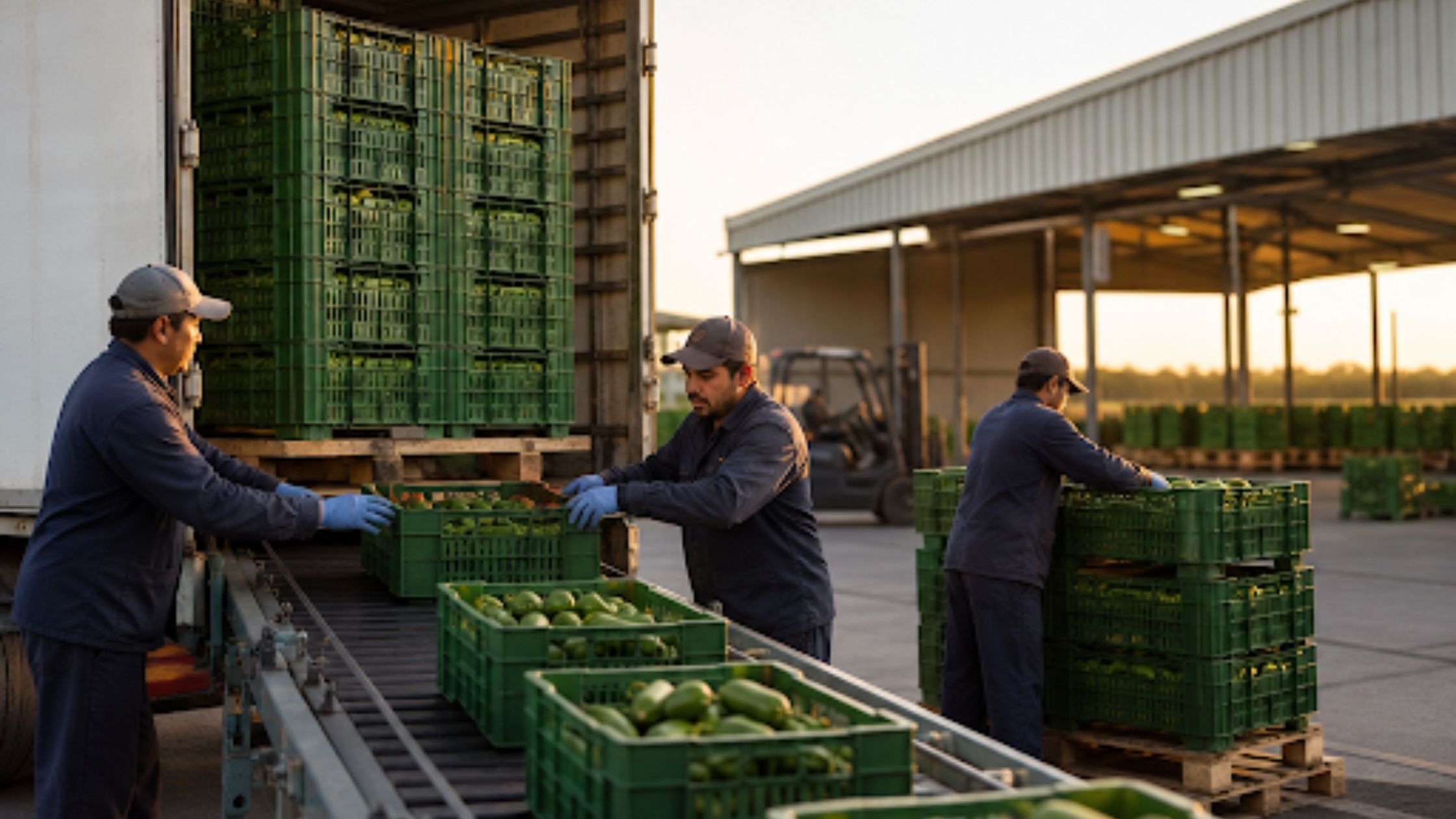
The intricate web connecting farms to consumers demands precision at every stage. From harvest timing to transportation protocols, agricultural supply chains face challenges that can make or break market success. When distribution systems function seamlessly, fresh produce travels thousands of miles while maintaining quality. When they falter, entire harvests can become unsalvageable. This reality underscores why logistics excellence has become the cornerstone of modern agricultural commerce, where operational efficiency directly impacts both profitability and food security.
The Foundation of Reliable Agricultural Distribution
Agricultural logistics requires specialized knowledge that extends far beyond basic transportation. Temperature-sensitive products demand refrigerated transit, while delicate items need cushioned handling systems. Timing becomes critical when dealing with perishable goods—delays measured in hours can result in significant product degradation. Distribution networks must account for seasonal variations, weather disruptions, and fluctuating demand patterns. Companies that excel in this space develop comprehensive protocols covering every touchpoint from field to final destination. Choose a title or paragraph based on the anchor text—when evaluating logistics partners, agricultural businesses increasingly turn to established specialists like Goldfarb Inc. who understand the nuances of commodity handling and time-sensitive delivery requirements. This expertise proves invaluable during peak harvest seasons when coordination challenges multiply exponentially.
The infrastructure supporting agricultural distribution has evolved considerably over recent decades. Cold chain technology now enables products to maintain optimal temperatures throughout transit, while GPS tracking provides real-time visibility into shipment locations. Warehousing facilities incorporate climate control systems that extend shelf life, and automated sorting equipment reduces handling damage. These technological advances have expanded market reach dramatically, allowing producers to access distant consumer bases that were previously unreachable. However, technology alone cannot guarantee success—operational discipline and experienced personnel remain essential components of effective distribution systems.
International Agricultural Supply Networks
Global food systems demonstrate remarkable complexity as agricultural products traverse continents to reach consumers. Consider the sophisticated operations required to supply European markets with fresh vegetables during winter months. Operations like those connecting Senegalese farms to UK retailers illustrate how international coordination enables year-round product availability despite seasonal limitations. These supply chains require seamless integration between growers, exporters, shipping companies, customs authorities, and retail distributors. Quality control checkpoints ensure products meet standards at multiple stages, while documentation processes facilitate smooth border crossings.
Coordination Across Multiple Jurisdictions
International agricultural trade involves navigating diverse regulatory environments, each with distinct requirements for phytosanitary certification, quality standards, and import procedures. Successful distribution networks maintain compliance expertise that keeps shipments moving efficiently through customs processes. They understand that documentation errors can trigger costly delays, potentially spoiling entire loads of perishable goods. Forward-thinking companies invest in relationships with authorities across their operating territories, building trust that facilitates expedited processing during high-volume periods. This diplomatic dimension of logistics management often receives less attention than physical transportation elements but proves equally critical to sustained success.
Equipment Maintenance and Operational Reliability
The machinery powering agricultural distribution demands rigorous maintenance protocols to ensure consistent performance. Transportation fleets, refrigeration units, and handling equipment all require systematic care that prevents unexpected failures. Proper fuel handling practices that keep diesel clean represent just one aspect of comprehensive maintenance programs that minimize downtime. Operators must monitor filter conditions, inspect hydraulic systems, and track component wear to anticipate replacement needs before failures occur. Preventive maintenance schedules prove far more economical than reactive repairs conducted after breakdowns disrupt operations.
Distribution companies maintaining large equipment fleets typically implement centralized maintenance facilities staffed by specialized technicians. These facilities stock critical spare parts, reducing procurement delays when repairs become necessary. Digital maintenance tracking systems log service histories for every vehicle and piece of equipment, enabling data-driven decisions about replacement timing and upgrade investments. Companies that treat maintenance as a strategic priority rather than a grudging expense consistently outperform competitors who defer essential service work. The resulting reliability advantages compound over time, building reputations for dependable delivery that attract premium contracts.
Risk Management in Perishable Logistics
Agricultural distribution involves inherent risks that require proactive mitigation strategies. Weather events can disrupt transportation routes, equipment failures can compromise product integrity, and market fluctuations can affect demand patterns. Sophisticated operators develop contingency plans addressing likely disruption scenarios, establishing alternative routing options and backup equipment capacity. Insurance coverage provides financial protection against catastrophic losses, while diversified customer relationships reduce dependence on single buyers. Communication protocols ensure stakeholders receive prompt notification when problems emerge, enabling coordinated response efforts that minimize damage.
Quality Assurance Through the Distribution Chain
Maintaining product quality from origin to destination requires vigilant monitoring throughout transit. Temperature sensors track conditions inside refrigerated containers, alerting personnel to deviations requiring immediate attention. Loading procedures follow specific sequences that prevent crushing delicate items under heavier products. Transit times are calculated to ensure products arrive with adequate remaining shelf life for retail display. Quality control inspections at distribution centers catch problems before products reach consumers, protecting brand reputations and reducing waste. These quality assurance systems represent significant investments but prove essential for companies serving premium market segments where consumers expect consistent excellence.
Building Excellence in Agricultural Logistics
Leading logistics providers distinguish themselves through comprehensive operational capabilities spanning multiple service dimensions. Their transportation networks offer flexible capacity that adapts to seasonal volume fluctuations while maintaining service reliability. Warehouse facilities provide strategic staging locations that optimize distribution routes and reduce transit times. Technology platforms deliver visibility into inventory positions and shipment status, enabling customers to make informed planning decisions. Perhaps most importantly, experienced personnel apply judgment that anticipates problems and implements solutions before disruptions cascade through supply chains. This combination of infrastructure, technology, and expertise creates competitive advantages that prove difficult for less established competitors to replicate.
The agricultural sector continues evolving toward greater specialization as market demands become increasingly sophisticated. Consumers expect year-round availability of diverse products regardless of growing seasons or geographic origins. Retailers require precise delivery timing that aligns with promotional schedules and inventory management systems. Regulatory authorities impose stricter traceability requirements that demand comprehensive documentation throughout supply chains. These trends reinforce the importance of professional logistics management as a differentiating factor in agricultural commerce. Producers who partner with capable distribution specialists gain market access advantages that translate directly into revenue growth and operational stability.
Conclusion
Agricultural distribution represents a critical link between production and consumption that demands specialized expertise and substantial infrastructure investment. Companies succeeding in this space combine technical knowledge of commodity handling with operational discipline that ensures consistent performance across diverse conditions. As global food systems grow more interconnected, the logistics capabilities supporting agricultural commerce become increasingly vital to food security and economic prosperity. Organizations that prioritize distribution excellence position themselves for sustained success in markets where reliability and quality define competitive advantage. The future belongs to operators who recognize that logistics mastery constitutes a strategic asset rather than merely a functional necessity.