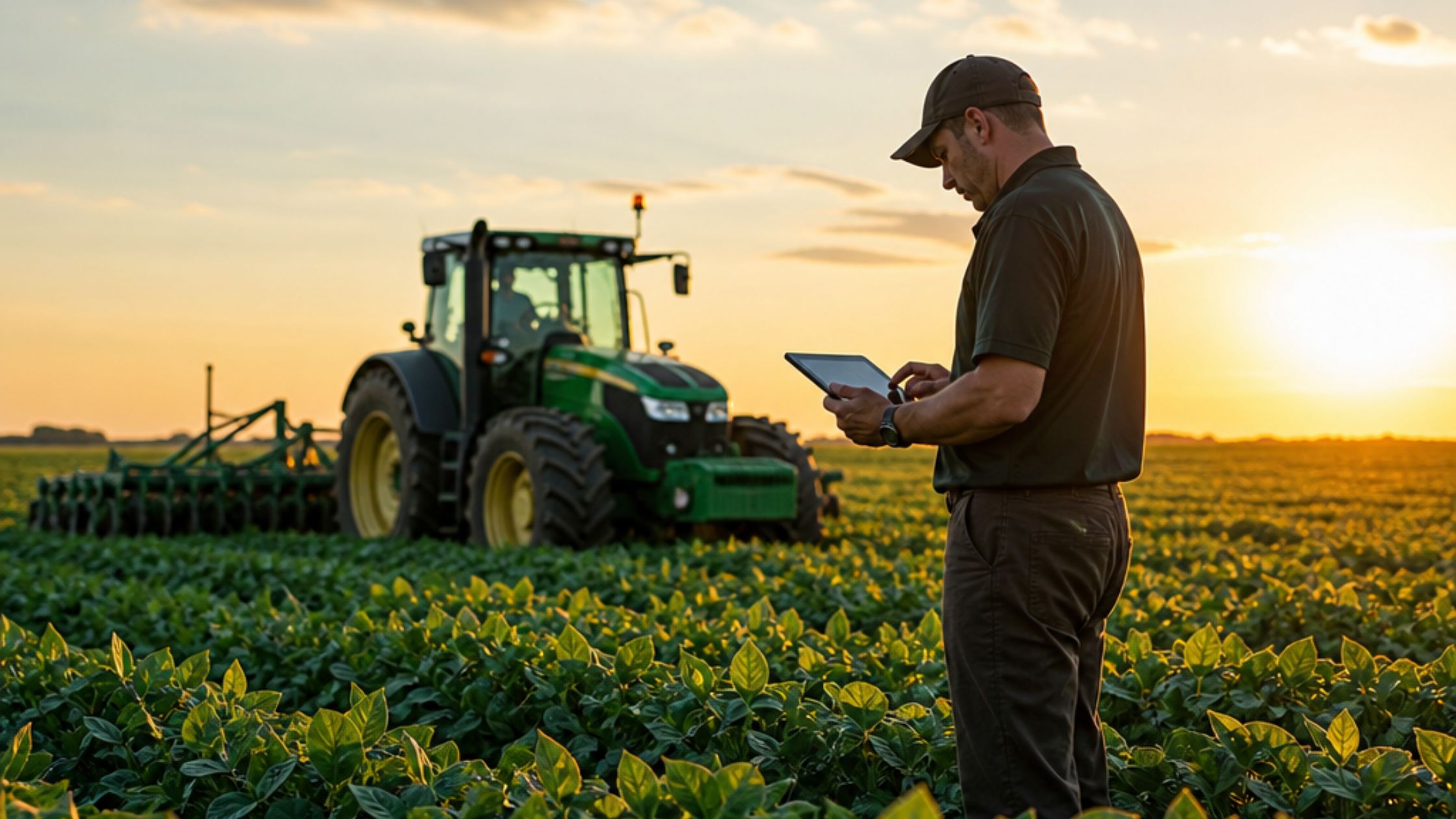
The agricultural sector stands at a crossroads where traditional equipment management meets cutting-edge technological innovation. Farm operators today face complex decisions about capital allocation, balancing the proven reliability of established equipment against emerging precision agriculture systems. Understanding how to navigate equipment investments while maintaining operational efficiency has become essential for sustainable farming operations. This strategic approach requires examining both immediate operational needs and long-term technological trajectories that will shape agriculture over the coming decades.
Foundational Equipment Decisions for Contemporary Farms
Every agricultural operation requires a solid foundation of reliable equipment capable of handling essential land management tasks. Rotary cutters and mowing equipment remain fundamental tools for maintaining pastures, clearing brush, and managing vegetation across diverse terrains. For operators seeking to optimize their equipment portfolios without overextending capital resources, exploring used bush hogs for sale provides access to proven machinery that delivers consistent performance while preserving financial flexibility for other operational priorities. This approach allows farmers to maintain essential capabilities while positioning themselves to adopt emerging technologies as they mature and demonstrate clear return on investment.
The decision to invest in pre-owned equipment versus new purchases involves careful analysis of operational requirements, maintenance capabilities, and strategic planning horizons. Used agricultural equipment often provides exceptional value when properly maintained, with many implements offering decades of service life. This financial prudence creates breathing room for operations to evaluate which technological innovations genuinely enhance productivity versus those that represent premature adoption of unproven systems.
Technology Integration and Policy Frameworks
Agricultural policy increasingly recognizes the transformative potential of precision agriculture and advanced technological systems. Federal initiatives are directing substantial resources toward supporting farms that integrate data-driven decision-making tools, artificial intelligence applications, and automated systems. These policy directions signal long-term governmental commitment to technological modernization across the agricultural sector, creating opportunities for operations that strategically plan their equipment evolution.
Legislative Support for Agricultural Innovation
Recent legislative developments demonstrate how technology companies and agricultural operators are collaborating to shape supportive policy environments. The intersection of farm bill provisions and precision agriculture technology companies reflects a sophisticated understanding that agricultural competitiveness depends on successful technology adoption. These frameworks provide financial incentives, research support, and infrastructure investments designed to accelerate the transition toward data-intensive farming practices while ensuring that operations of all sizes can participate in this technological evolution.
However, the pace of policy development often lags behind technological capability, creating periods of regulatory uncertainty. Farm operators must monitor these developments while maintaining operational continuity through reliable conventional equipment. This dual-track approach ensures that farms remain productive during transitional periods while positioning themselves to capitalize on supportive policies as they materialize.
Regulatory Considerations for Advanced Equipment
As autonomous and semi-autonomous agricultural systems become increasingly viable, regulatory frameworks are evolving to address safety, liability, and operational parameters. State-level regulatory bodies are actively developing standards that will govern how advanced equipment operates within agricultural settings. These regulatory discussions directly impact equipment purchasing decisions, as operators must consider not only current capabilities but future compliance requirements.
California’s recent examination of autonomous agricultural equipment operational standards illustrates the complex considerations involved in integrating advanced technologies into working farm environments. These regulatory developments address worker safety, equipment certification, operational supervision requirements, and liability frameworks. Such regulations will likely influence equipment design, training requirements, and operational protocols across the industry, making it essential for farm managers to stay informed about evolving standards in their jurisdictions.
Balancing Innovation with Proven Reliability
The agricultural equipment landscape presents a spectrum of technological sophistication, from time-tested mechanical implements to sensor-laden autonomous systems. Successful operations typically employ a diversified equipment strategy that combines reliable conventional machinery for core tasks with selective adoption of advanced technologies where clear operational benefits exist. This balanced approach mitigates the risks associated with early adoption while maintaining the flexibility to integrate innovations as they prove their value.
Equipment reliability remains paramount in agricultural operations where timing directly impacts crop quality and profitability. Weather windows for critical operations may be limited, making equipment downtime particularly costly. This reality continues to favor equipment with proven track records and established parts availability, even as newer technologies offer enticing capabilities.
HR AgriPower’s Role in Agricultural Equipment Solutions
HR AgriPower has established itself as a comprehensive resource for agricultural operations seeking quality equipment solutions across multiple technology levels. The company specializes in connecting farmers with machinery that meets their specific operational requirements, whether that involves traditional implements or more advanced systems. Their extensive inventory spans various equipment categories, providing operators with choices that align with their operational philosophies and financial parameters.
The organization’s approach emphasizes understanding individual farm requirements rather than promoting one-size-fits-all solutions. This customer-centric philosophy recognizes that successful equipment decisions depend on factors including farm size, crop mix, terrain characteristics, operator experience, and long-term strategic objectives. By offering access to diverse equipment options, HR AgriPower enables farmers to construct equipment portfolios that genuinely serve their unique circumstances.
Strategic Equipment Planning for Sustainable Operations
Long-term agricultural success requires equipment strategies that support current productivity while remaining adaptable to future opportunities. This involves maintaining core mechanical capabilities through reliable implements while reserving capital and operational capacity for selective technology adoption. Farm operators who successfully navigate this balance position themselves to remain competitive across varying economic conditions and technological transitions.
Equipment decisions should integrate into broader farm business planning that considers debt management, cash flow requirements, labor availability, and market positioning. The most sophisticated operations view equipment not as isolated purchases but as components of an integrated production system that must evolve coherently over time. This systems-thinking approach prevents costly mismatches between different operational elements and ensures that equipment investments genuinely enhance overall farm performance rather than creating new bottlenecks or complications.
Conclusion
Agricultural equipment management in the contemporary era demands strategic thinking that honors proven practices while remaining open to beneficial innovations. The most successful operations build equipment portfolios around reliable foundational machinery that ensures consistent performance across essential tasks, while carefully evaluating emerging technologies for genuine operational benefits. As policy frameworks increasingly support precision agriculture and regulatory standards mature around advanced systems, farmers who have maintained financial flexibility through prudent equipment decisions will be best positioned to capitalize on these opportunities. The path forward involves neither wholesale rejection of innovation nor uncritical embrace of every new technology, but rather thoughtful integration guided by operational requirements and strategic objectives.