
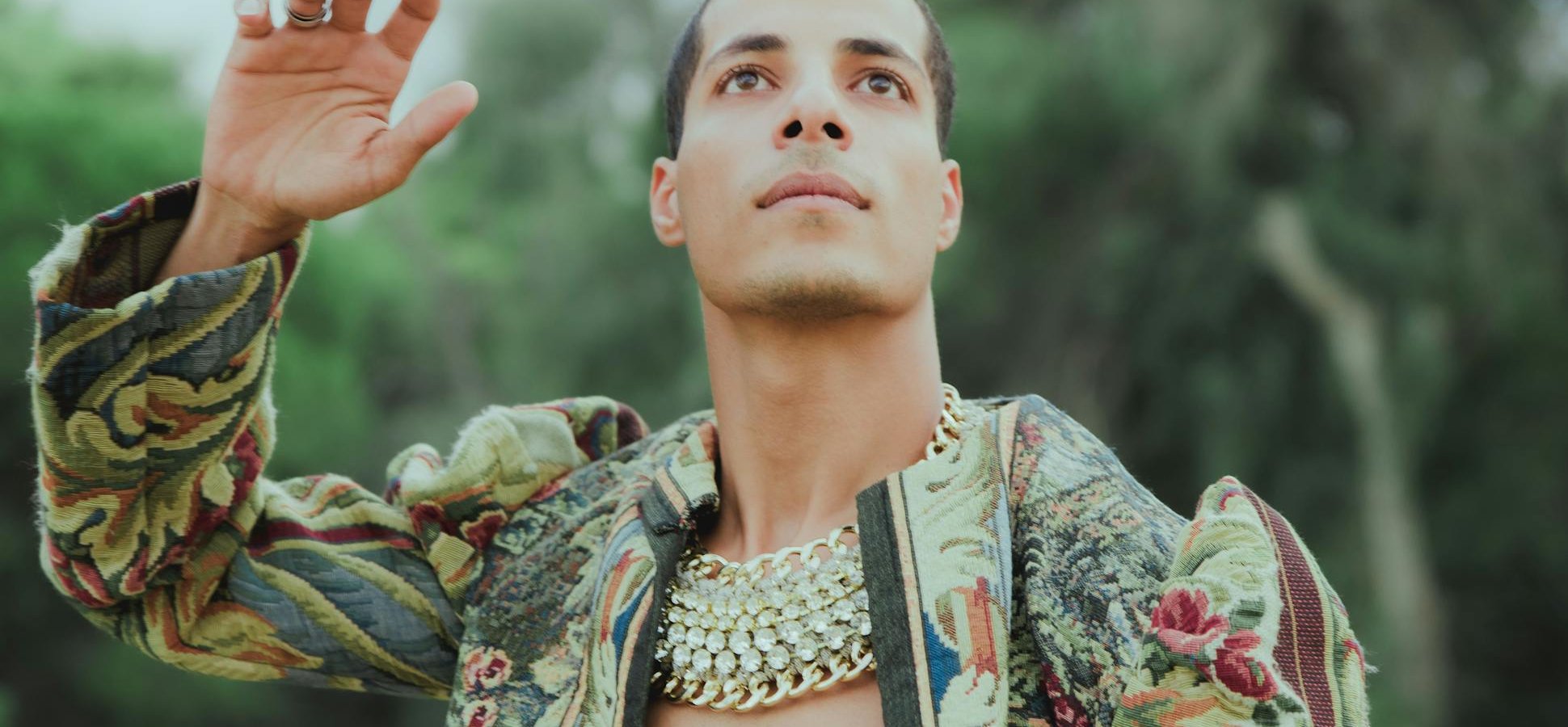
When Mary-Kate Olsen sent models down the runway at The Row’s Summer 2026 show in Paris wearing feathered separates, sequins, and sculptural hairdos pinned with ornate combs, the fashion world did a collective double-take. The Row built its identity on the opposite of that. For nearly a decade, the brand was the patron saint of quiet luxury: neutral tones, invisible logos, $4,000 cashmere that looked like it could have cost $40. The fact that even The Row is reaching for drama tells you everything about where fashion stands right now.
Quiet luxury is the style philosophy that dominated fashion from roughly 2022 to 2025, defined by logo-free clothing, muted color palettes, and “stealth wealth” signaling where the price tag was high but the look was deliberately understated. In 2026, that era is over. The aesthetic hasn’t disappeared entirely, but it’s lost its grip on the cultural conversation, replaced by a trio of movements that share one thing in common: they want to be seen.
Last updated: March 2026
Key Takeaways
- Pinterest searches for “80s luxury” surged 225% heading into 2026, signaling a mass shift toward bold, visible fashion statements.
- The Row’s Summer 2026 Paris show broke from its own decade-long minimalist identity with feathers, sequins, and sculptural styling.
- Three movements are replacing quiet luxury in 2026: dopamine dressing, Glamoratti (80s power dressing), and expressive maximalism.
- Gen Z shoppers are driving the shift, with resale site The RealReal reporting an 82% increase in purchases from Gen Z buyers gravitating toward bold, logo-forward pieces.
- For founders who built personal brands around minimalist “stealth wealth” aesthetics, the shift means recalibrating how they show up in public and on social media.
What killed quiet luxury?
Oversaturation killed it first. When Succession premiered its final season in 2023, Shiv Roy’s Loro Piana sweaters and quiet money energy set the tone for an entire aesthetic cycle. Within months, every fast-fashion retailer from Zara to H&M had a “quiet luxury” collection. The aesthetic that was supposed to signal you were too rich to care about trends became, itself, the trend everyone was copying. Once TikTok creators were filming “quiet luxury hauls” from Amazon, the concept had eaten itself.
Economic anxiety finished it off. The theory behind quiet luxury was that truly wealthy people don’t need to show it. But for Gen Z entering a job market shaped by mass tech layoffs and AI displacement, that framing felt tone-deaf. Why pretend you don’t care about money when you’re worried about making rent? Fortune reported in late 2025 that Gen Z consumers were rejecting stealth wealth entirely, choosing instead to spend visibly on pieces that brought them genuine joy. The RealReal saw an 82% increase in purchases from Gen Z buyers in 2025, and the items they were buying weren’t neutral cashmere. They were logo-forward, color-heavy, statement pieces. Gen Z now represents 11% of global wealth and is proving to be one of the most influential consumer segments in luxury fashion, but their version of luxury looks nothing like the one Succession sold them.
Then came the designers. Valentino’s Alessandro Michele staged a full maximalist reset for Fall/Winter 2026. Dries Van Noten’s final collections leaned into expressive pattern clashing. And The Row’s Paris pivot was the final domino. When the brand most associated with quiet luxury publicly abandons it, the conversation is settled.
What is replacing quiet luxury in 2026?
Three distinct movements have rushed in to fill the gap, each with a different energy but a shared rejection of blending in.
Dopamine dressing is the most widespread. The concept is rooted in enclothed cognition, the psychological principle that what you wear directly affects your mood and mental state. When you wear high-saturation colors, your brain releases dopamine. In uncertain times, people reach for bright clothing as a form of self-medication. HOLR Magazine called 2026 “the year of bold prints,” and the trend has moved beyond niche fashion circles into mainstream retail. Think neon greens, electric blues, and tangerine oranges replacing the beige-and-grey palette that dominated the previous three years.
Glamoratti is the 80s power-dressing revival that Pinterest named as one of its top predicted trends for 2026. Searches for “baggy suit” rose 90%, “chunky belt” jumped 65%, “high collar jacket” climbed 60%, and “gold cuff” increased 50%. The look borrows from the 80s playbook of sculpted shoulders, statement jewelry, and unapologetic gold, but updates it with modern proportions. GreyJournal covered how the Glamoratti trend is becoming the new founder uniform, and the data suggests it resonates especially with Gen Z and Millennials who see power dressing as costume play rather than corporate obligation.
Expressive maximalism is the broadest category. It’s the catch-all for pattern mixing, layered textures, and “more is more” styling that doesn’t fit neatly into either dopamine dressing or Glamoratti. Istituto Marangoni published research showing Gen Z is driving maximalist fashion’s future, with lace, satin, denim, and technical fabrics coexisting within single outfits. The idea is that each piece serves a clear visual function. It’s not chaos. It’s curated excess. The key distinction from the maximalism of previous eras: today’s version is deliberate. People aren’t throwing on clashing patterns randomly. They’re building outfits with the same intentionality a designer brings to a collection, layering pieces that create tension on purpose.
Why fashion always swings back to bold after restraint
This pattern has repeated for a century. The restrained 1950s gave way to the psychedelic 1960s. The grunge minimalism of the early 90s was replaced by the maximalist excess of the late 90s and early 2000s. Fashion historians call it the pendulum theory, and the mechanism is always the same: an aesthetic dominates until it becomes boring, then the culture overcorrects in the opposite direction.
What makes this particular swing feel different is the economic context. Maximalism historically rises during economic hardship. After the 2008 financial crisis, designers responded with bright colors and loud patterns as a form of visual optimism. The same psychology is at work now. After years of pandemic-era athleisure, inflation anxiety, and a tightening job market, people are using clothing to manufacture the joy their circumstances aren’t providing. That’s not frivolous. That’s functional.
The psychology is real. Research on enclothed cognition, published in the Journal of Experimental Social Psychology, found that wearing clothes with symbolic meaning measurably changes cognitive performance. Wearing a lab coat associated with a doctor improved sustained attention. The principle applies to color, too: bright, high-saturation hues trigger positive neurological responses. Dressing boldly isn’t just a style choice. It’s a mood intervention.
This is why the “quiet luxury is dead” conversation matters beyond fashion magazines. How people dress reflects how they feel about their economic moment. When confidence is high, people dress up. When anxiety rises, they reach for color as a countermeasure. The fact that maximalism is surging right now tells you more about the collective mood of 2026 than any consumer sentiment survey could.
Is minimalism still in style in 2026?
Minimalism isn’t dead. It’s just no longer the default setting. Mercer7, a fashion analysis publication, pushed back on the “quiet luxury is dead” narrative in February 2026, arguing that minimalism isn’t dying, it’s simply no longer performing for algorithms. The people who gravitated toward quiet luxury because it genuinely matched their taste haven’t changed. What has changed is the cultural conversation. The spotlight has moved, and with it, the money.
For most people, the takeaway is simple: you no longer need to dress down to be taken seriously. The rules about looking “professional” or “wealthy” have loosened to the point where a hot-pink blazer communicates confidence just as effectively as a grey cashmere pullover did two years ago. The difference is that the pink blazer is harder to ignore.
What this means for founder personal branding
If you built a personal brand around the stealth-wealth founder aesthetic, this shift matters more than you might think. Between 2022 and 2025, the founder uniform was clear: clean sneakers, neutral tones, maybe a $300 hoodie from a brand nobody had heard of. It signaled you were too focused on your company to care about clothes (while actually caring quite a bit). That look still works in a board room. It no longer works on a stage, a podcast thumbnail, or a LinkedIn carousel.
The founders gaining the most visibility right now are the ones leaning into personal style as a brand asset. The shift from sneakers to loafers was an early signal. The Glamoratti trend is the acceleration. When your competitors are wearing sculpted shoulders and gold accessories to demo day, your grey crewneck reads as invisible, not understated.
This doesn’t mean every founder needs a wardrobe overhaul. It means being intentional about visual identity the same way you’re intentional about your pitch deck or website design. Your appearance is a marketing channel. In 2026, the algorithm rewards the people who use it.
The practical playbook is simple. Pick one element that feels authentic and turn it up. A founder who’s always liked color but suppressed it for the boardroom can start with a bold blazer over a neutral base. Someone drawn to structure can try a modern sculpted shoulder. The goal isn’t to become someone else. It’s to stop hiding behind a uniform that was designed to be invisible, and start using style as the signal it is.
Where quiet luxury goes from here
Quiet luxury won’t disappear completely. It will contract into a niche for people who were never performing it in the first place. Brands like Brunello Cucinelli and Loro Piana will keep selling to their core customers, the ones who were buying $3,000 cashmere sweaters in 2015, long before Succession made it a trend. What won’t survive is the mass-market version: the fast-fashion “quiet luxury” dupe market that drove billions in revenue over the past three years.
The bigger question is how long maximalism holds. If history is any guide, this cycle will run 3-5 years before the pendulum swings again. That gives brands, founders, and anyone building a visual identity a meaningful window to lean into boldness before the next wave of restraint arrives. The smart move is to experiment now while the culture is rewarding risk.
For entrepreneurs, the lesson from quiet luxury’s fall is broader than fashion. Trends that feel permanent never are. The founders who win long-term are the ones who notice when the cultural tide is turning and adapt before their competitors. Quiet luxury is dead as a dominant force. What comes next rewards the people willing to be seen.
Frequently asked questions
▾ Is quiet luxury dead in 2026?
As a dominant cultural trend, yes. The Row’s 2026 Paris pivot to maximalism, a 225% spike in Pinterest searches for “80s luxury,” and Gen Z’s visible rejection of stealth wealth all signal the aesthetic has lost its grip. Quiet luxury still exists as a niche preference, but it no longer sets the direction of mainstream fashion.
▾ What replaced quiet luxury?
Three movements have filled the gap: dopamine dressing (bright colors chosen for their mood-boosting neurological effect), Glamoratti (an 80s power-dressing revival with sculpted shoulders and gold jewelry), and expressive maximalism (curated layering with mixed textures and patterns). All three reject the “blend in” philosophy that defined quiet luxury.
▾ What is dopamine dressing?
Dopamine dressing is the practice of wearing bright, high-saturation colors to trigger a positive neurological response. The concept draws from enclothed cognition research showing that clothing with symbolic meaning measurably affects mood and cognitive performance. In 2026, dopamine dressing has evolved from a pandemic coping mechanism into a deliberate style philosophy built around bold prints, neon hues, and expressive color.
▾ Is minimalism still in style 2026?
Minimalism still exists but it’s no longer the dominant trend. Mercer7 argued in February 2026 that minimalism isn’t dying, it’s simply no longer performing for social media algorithms. The people who genuinely prefer clean, understated style haven’t changed, but the cultural spotlight and the commercial momentum have moved toward bolder, more expressive dressing.
▾ What is the Glamoratti trend?
Glamoratti is a 2026 fashion trend identified by Pinterest’s annual predictions report. It revives 80s power dressing with baggier suits, sculpted shoulders, chunky belts, and bold gold jewelry, but updates the proportions for a modern silhouette. Pinterest reported that searches for “80s luxury” rose 225%, “baggy suit” rose 90%, and “gold cuff” increased 50%.
▾ How long will maximalism last in fashion?
Based on historical fashion cycles, maximalism trends typically run 3-5 years before the pendulum swings back toward restraint. The current wave started gaining momentum in late 2025 and is expected to peak between 2027 and 2028. Founders and brands building visual identities have a meaningful window to experiment with bolder aesthetics before the next shift.


