
A TikTok video lands on Friday. By Monday, a founder has 4,000 orders for a serum that comes in 14 shades, and the stockroom is a spare bedroom. Branding got her here. Logistics decides whether she keeps the money.
Most beauty founders spend their energy on formulas, packaging and creators. The less glamorous part, getting a fragile, expiring, regulated product to a customer intact, quietly sets the margin. Here’s where the money leaks, and what to check before the next spike.
Where the Money Leaks When a Beauty Brand Takes Off
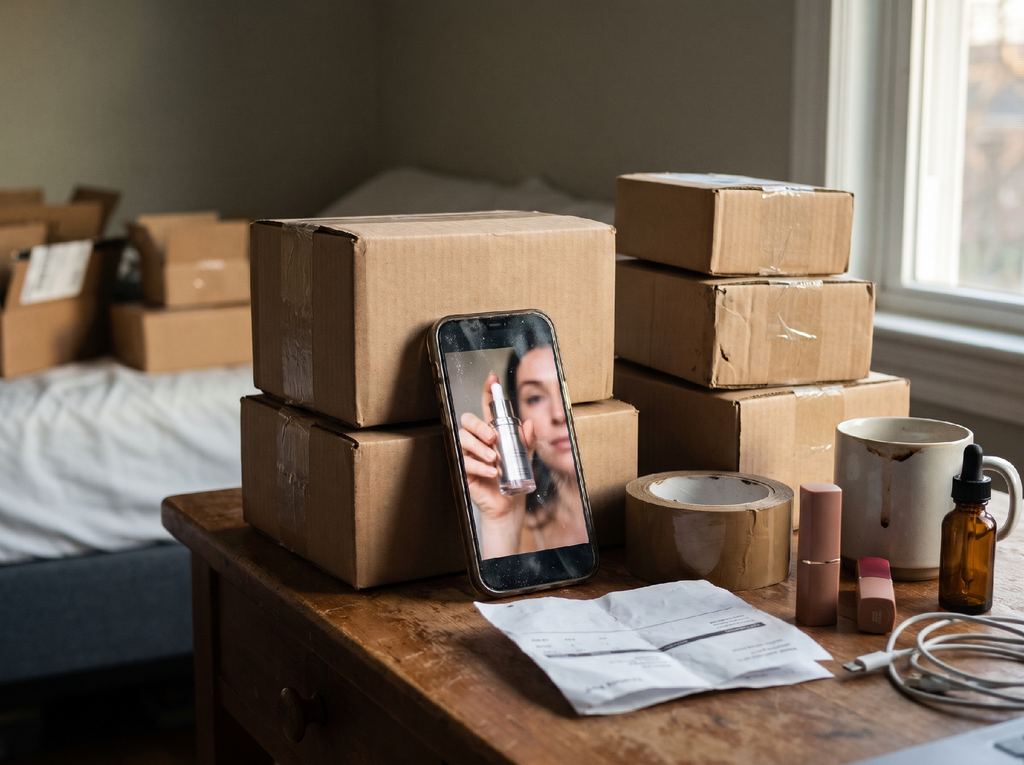
When order volume outgrows a garage, the real decision is who ships the product. A brand needs cosmetics and beauty fulfillment that handles lot tracking, glass packaging and temperature-sensitive stock, not just fast pick-and-pack. That’s the filter to apply before comparing prices.
Online demand is growing faster than retail overall. According to the U.S. Census Bureau, e-commerce sales rose 12.4% year over year in the second quarter of 2026, compared with 6.6% growth in total retail sales. For beauty brands, that growth makes reliable fulfillment even more important, especially when a viral product sends order volumes soaring overnight.
Generic warehouses treat a jar of night cream like a phone case. It isn’t one. A batch of vitamin C serum that sits too long or too warm loses potency, and a customer who opens a degraded bottle doesn’t file a ticket. She posts about it.
The upside is real, though. McKinsey’s 2025 analysis of the beauty industry projected that e-commerce would pass 30% of global beauty sales by 2030. Brands that build operations for that volume now will pay less for it than brands that scramble mid-spike.
Shelf Life, Breakage and Returns: The Three Silent Margin Killers
Start with shelf life. Retinol creams, face oils and natural-ingredient formulas all expire, so stock has to leave the building in first-in, first-out order, tracked by lot number. If your system can’t tell you which batch shipped to which customer, a recall becomes a guessing game.
Breakage is next. Glass droppers, pressed powders and molded palettes crack in transit, and each broken unit costs you the product, the shipping, the replacement and often the review. Molded trays, void fill and tight box sizing aren’t packaging extras. They’re margin protection.
Returns are the quiet killer. Hygiene rules mean most opened beauty items can’t go back on the shelf, so a returned lipstick is usually a write-off, not a restock. That’s why a beauty brand’s real return cost is higher than a clothing brand’s.
My position: before you sign with any fulfillment partner, ask for damage rate and write-offs per 1,000 orders. A partner who can’t answer that has never measured it. A low per-order fee hides a lot of sins if breakage runs at 3%.
Compliance and Costs You Can’t Skip
Rules arrived late to cosmetics, then arrived all at once. Under the FDA’s Modernization of Cosmetics Regulation Act (MoCRA), US facilities that make or process cosmetics must register, and products must be listed. Registration renews every two years, and listings get updated annually. Small businesses can qualify for exemptions, so check your status before assuming the paperwork applies, or doesn’t.
Packaging adds its own pressure. As we reported in our look at how tariffs are squeezing packaging costs, over 30% of US-imported bottles and lids come from China, where container tariffs total 45%. That works out to roughly 65 to 86 cents more per product. On a $28 serum with a thin margin, that’s not rounding error.
The practical move is to price packaging and compliance into your unit economics before you scale, not after the first invoice surprise. Margins you didn’t plan for are margins you don’t have.
Scaling Without Breaking the Unboxing
Growth tends to break the experience before it breaks the budget. A few habits keep the box feeling like your brand when volume triples.
- Ship from more than one location so orders travel shorter distances and arrive faster.
- Kit bundles and gift sets ahead of time, so a holiday rush doesn’t mean hand-assembling 2,000 sets.
- Plan for peaks, from Black Friday to a surprise creator mention, with buffer stock of your top five sellers.
- Keep inserts, tissue and tape on brand, because the unboxing is part of the product.
Cash is the constraint underneath all of this. Shipping delays, excess inventory and unexpected fulfillment costs can tie up money that growing beauty brands need for their next production run. Keeping stock moving and delivery costs predictable helps protect cash flow as order volumes rise. And if you sell through Shopify, our breakdown of what Shopify’s results mean for merchants is worth a read before you plan your next peak.
The tradeoff is cost. Distributed inventory and custom kitting cost more per order at low volume, so they pay off only once you have steady demand in several regions.
The Takeaway
Treat fulfillment as a product decision, not a back-office chore. The shelf life of your formula, the strength of your glass and the rules on your label all land in someone’s warehouse. Audit that chain before the next spike, because the spike won’t wait for you to be ready.