It’s easy to think of your employees as just another expense on the books. And while it is important to maintain a healthy bottom line, you don’t want to lose sight of the fact that they are also a valuable asset in making your business succeed. One way you can help them be more effective is by keeping them healthy and happy at work. Here are some tips to help you prioritize employee welfare and make sure that everyone has an optimal work experience:
Provide a safe and secure workplace
Providing a safe and secure workplace is essential to ensuring the health and safety of your employees, customers, community and environment.
To create an environment where workers are not at risk of physical injury or illness, employers need to take measures like providing appropriate tools and equipment; implementing policies for hazardous materials handling; providing training on how to use equipment safely; conducting regular inspections of facilities so that hazards can be identified before they cause injury/illness etc.
Provide a safe and secure workplace for your customers: If injuries occur on-site due to unsafe conditions such as poor lighting or slippery floors then this could lead to negative publicity which may result in lost revenue from dissatisfied customers who do not return because they do not feel comfortable visiting again due their previous bad experience with company’s services/products offered there.
Select the right products for your employees
When it comes to health and safety, your employees’ well-being is your number one priority. In order to ensure their safety, you must provide them with the best possible products for the workplace.
- Safety products: The most important items are those that protect your employees from injuries. These include hard hats, gloves and masks as well as other protective clothing such as overalls or coveralls.
- Other considerations: You will also want to consider any special needs for certain individuals in your organization such as pregnant women or disabled workers who require special equipment such as crutches or wheelchair ramps respectively.
Ensure that all equipment is in good condition and in compliance with safety standards
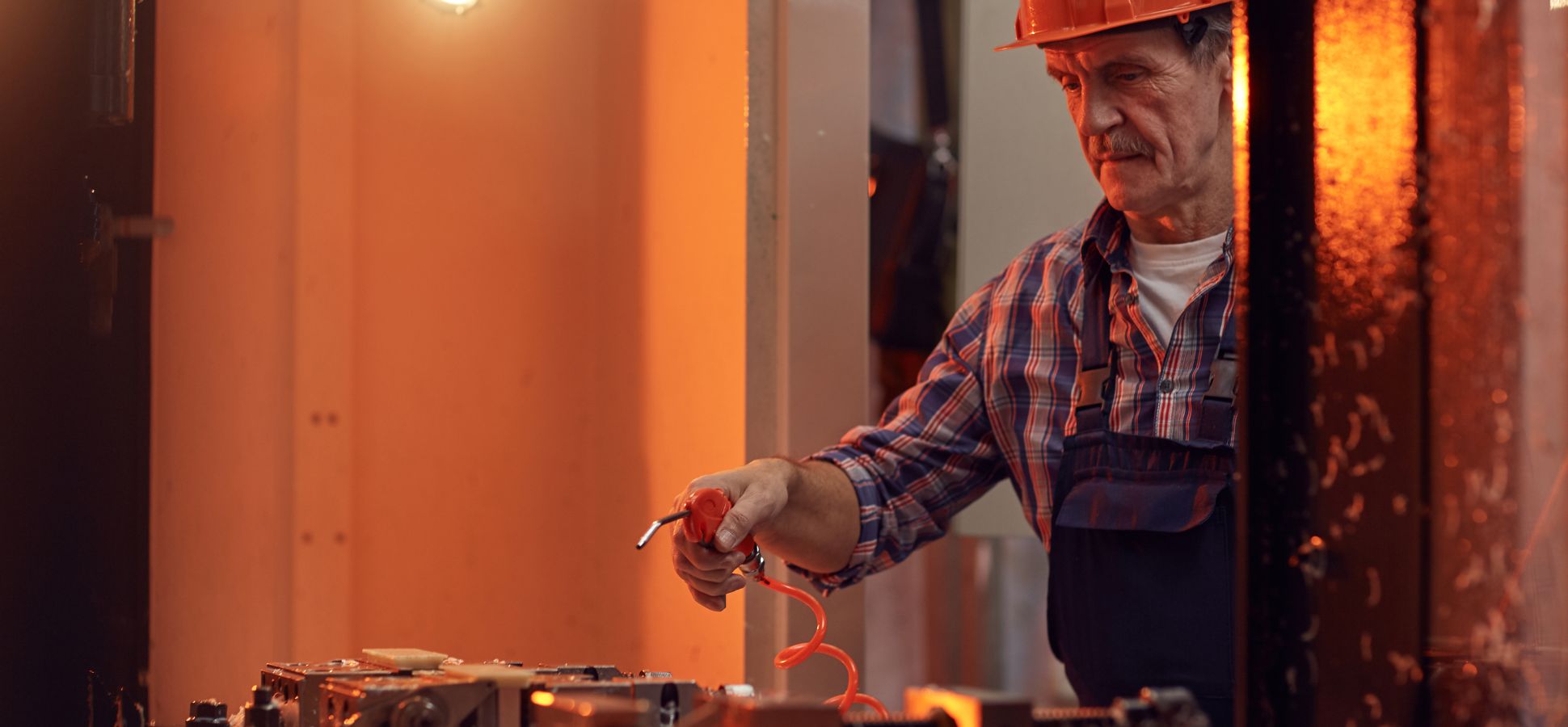
In order to ensure worker safety and compliance with health and safety standards, it is important to maintain equipment in good working order. This means that you should inspect your equipment regularly and make sure that it’s in compliance with all relevant regulations.
If you have any questions about what kind of maintenance is needed for your workplace or specific pieces of equipment, talk to an industrial hygienist at your local OSHA office.
Provide staff training
As an employer, you have a responsibility to keep your employees safe. One of the best ways to do this is by providing them with training that teaches them how to use equipment safely and efficiently. Employers can consider OSHA training courses to ensure comprehensive workplace safety education. This will help ensure that they don’t make mistakes on the job, which can result in injury if they’re working with dangerous machinery like heavy construction equipment or explosives.
Training should cover topics such as:
- How best to use any new equipment or processes introduced into your workplace (for example, if you’re introducing a new software program)
- Health and safety procedures related specifically to your type of industry (for example, if you work at an oil refinery)
- If your employees are manual workers or work in a mine, it is necessary for them to undergo proven caba training, which will teach them everything about equipment servicing and workplace safety.
Maintain a clean, well-lit, healthy workplace

- Cleanliness helps prevent the spread of germs. The last thing you want is for your employees to be sick, but even if they aren’t, they can still be a liability if they’re not feeling well. Take steps to make sure that your workplace is as clean as possible at all times.
- Good lighting helps prevent eye strain and fatigue–which means better productivity for everyone!
- Ventilation systems help keep air flowing throughout the building so that no one gets too hot or cold (or worse). This also prevents respiratory problems like asthma attacks by keeping dust levels down in the building’s air supply system–which means less time off work due to illness caused by poor indoor air quality conditions.
Follow municipal, state, and federal regulations regarding workplace safety
Workplace regulations are in place to ensure your employees’ health and well-being. You should make sure that you’re complying with these laws at all times, as failure to do so can result in severe consequences for both your business and its employees.
In addition to following municipal, state, federal laws:
- Check out the Occupational Safety & Health Administration (OSHA) website for more information on workplace safety measures you can take at home or abroad;
- Read up on any local rules regarding hazardous materials within your jurisdiction.
The benefits of a well-maintained workplace are clear: healthier employees who are more productive and happier. By taking the time to invest in your employees’ well-being, you can improve productivity, reduce absenteeism and turnover costs, increase morale, and boost profits by reducing accidents at work.