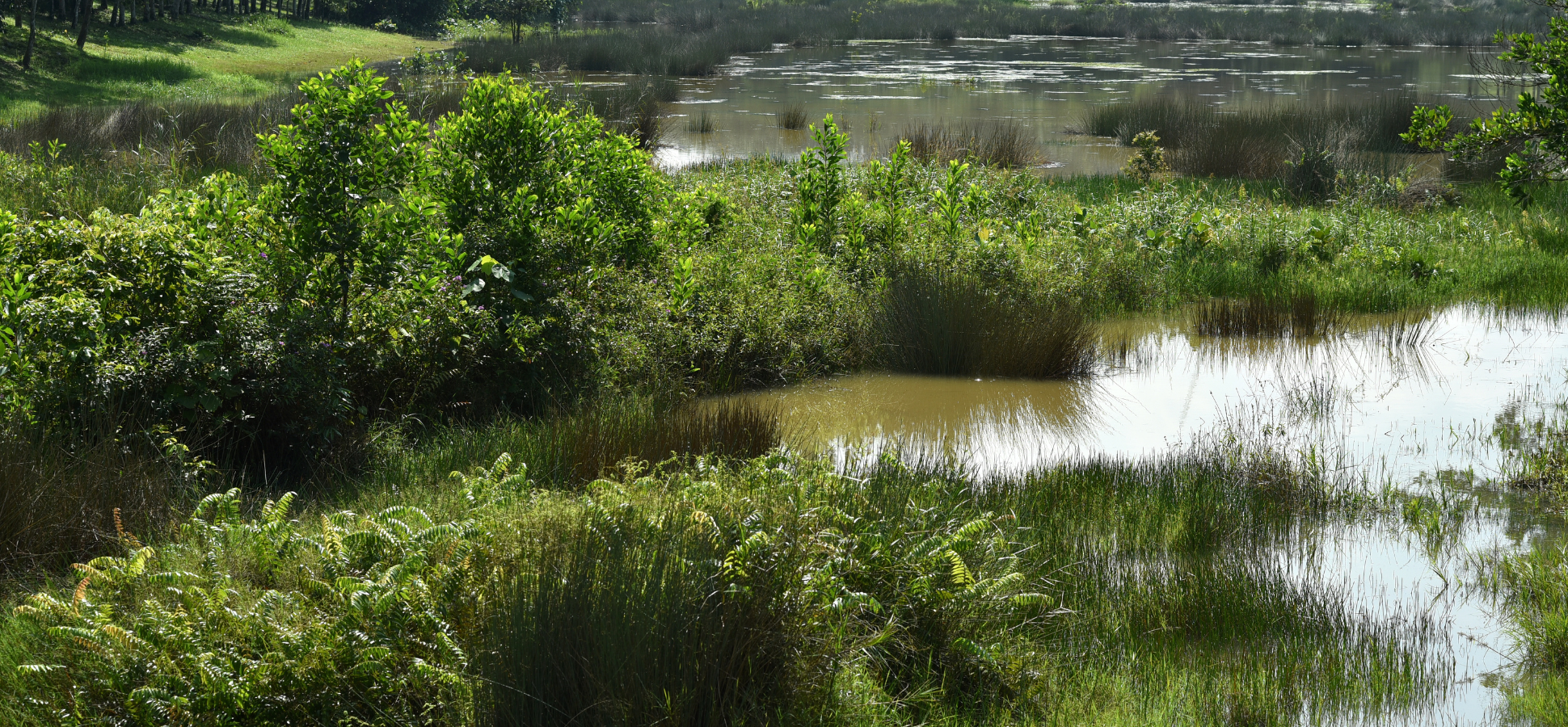
Bogs, swamps, marshes, and more, oh my! Wetlands are more than meets the eye! A wetland is classified as any area of land where the soil is saturated either permanently or seasonally by water. While wetlands account for only 6% of the earth, 40% of the world’s species inhabit them, being occasionally dubbed as ‘biological supermarkets’. Due to wetlands’ fertile land, diversity in the form of trees, bushes, shrubs, and more are common and abundant. On the animal front, depending on where you’re located you can spot a crane, egret, butterfly, otter, or more. Wetlands also support life outside of the area. Wetlands store carbon and keep the gas from our atmosphere and excess water out of our neighborhoods by acting as a sponge of sorts. One acre of wetlands can store 1.5 million gallons of water. Once a wetland is drained, the excess water has nowhere to go and flows into neighborhoods, hiking up flood insurance rates.
The Numbers
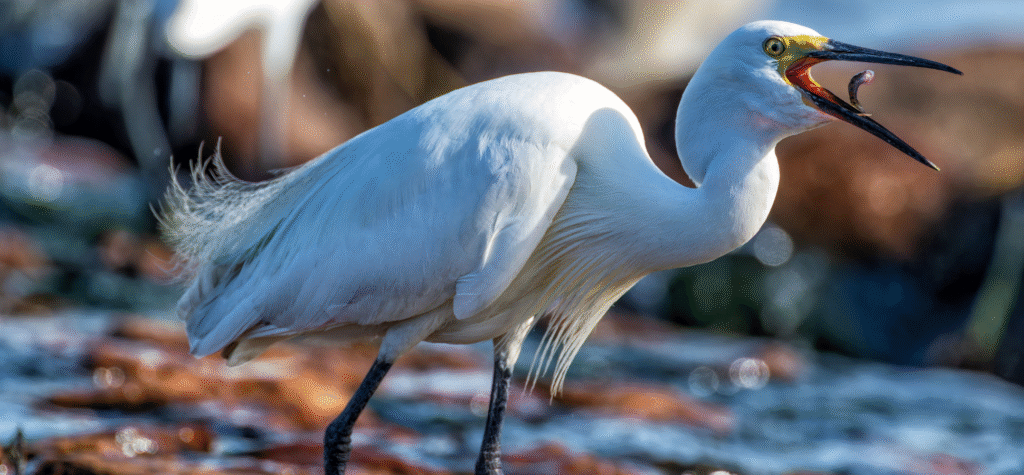
Let’s address the egret in the room: wetland drainage affects our pocket books greatly and its something we has human can prevent and avoid. Gulf coast states, Texas, Florida, Louisiana. Mississippi, and Alabama are experiencing a 66% policy raise for all holders, 31% of holders can expect a 100%-300% increase in their insurance premiums, this is due to the homeowner’s location to wetlands. Once these wetlands are drained, the water that would usually be trapped in the land will flow into neighborhoods causing heavier than usual flooding.
The average NFIP (National Flood Insurance Program) in Plaquemines Parish, Louisiana is projected to increase 545% from $842 to $5,431 a year. In Monroe County Florida the annual flood insurance cost is to rise from $1,759 to $4,622, a 163% increase. 11,972, 823 properties are at risk of increased prices or reduced coverage while 4,711, 479 properties have already been impacted by insurance adjustments.
So why ARE wetlands being drained if they profit us so much? Greed. There is no reason other than pure human greed to why wetlands are being drained. These decisions aren’t being made out of sake for the environment, they are being made for the sake of profit. Wetlands have been seen as an obstacle to farmers rather than a resource, causing the land to be drained in the name of agricultural expansion.
Soil found in wetlands is fertile and arable. Arable land has its incentives for farmers, allowing them to increase not only their land, but their profit too. The draining of these areas hurts residents of wetlands and nearby neighborhoods since wetlands help slow the movement of water and filter out pollutants. Wetlands also provide one billion people jobs through tourism, agriculture, transport, and fisheries, especially in marginalized communities. Wetlands also supply 95% of available freshwater in aquifers. Despite this, our wetlands are still in danger of being drained. In the last 50 years, one-third of global wetlands have been lost, with an accelerating decrease.
Why we should ALL care about this
“I don’t live in a gulf coast state so I’m fine!” , you may be saying. While wetlands only cover 6% of earth, not all of that earth is in gulf coast states! The United States alone is COVERED in wetlands in all 50 states. If there is not a wetland in your direct vicinity you may be safe from pollutants and flooding but not the carbon. Carbon is a gas that when released, gets trapped in the atmosphere, warming the planet through the greenhouse effect. More humidity means more storms which brings more rain that results in flooding that could have been lessened by untouched wetlands. Floods damage homes and businesses, making them inoperable and hiking up flood insurance rates. It’s a vicious cycle of ‘if you give a mouse a cookie’ but the cookie has arsenic in it.
Humans are supposedly the superior species yet we cause these failings in our own society. All we need to do is nothing, we need to keep our hands off natural resources and let nature do its job and we will all be better for it. The pros outweigh the cons here, wetlands save us from high flood insurance costs, excess carbon in the air, and excess pollutants in water and land while fueling the livelihood of an estimated 1 billion people. So we should do a favor to both ourselves and wetland inhabitants to keep the wetlands wet and arsenic out of those cookies.