Camping is a great way to release stress and take a break from a hectic life. But your break does not have to be bad for the environment. Just as you need space from all stress, nature also needs protection from all people’s bad energy and habits. As a nature lover, you should preserve the environment as much as possible. To help you, we have completed a list of eco-friendly camping tips so you can enjoy your time without damaging the environment.
Follow Leave No Trace Principal
“Leave no trace” has gained popularity among nature lovers. It is a non-profit organization that has introduced seven rules to protect nature. The rule is as simple as it states: Leave nothing behind. This involves planning for the trip, managing waste, leaving the camping site as found it, understanding how to control fire, camping in authorized areas, avoiding interaction with wildlife, and being considerate to fellow campers.
Focus on Recycling & Reusing

Recycling and reusing are some basic principles that should be followed in camping activities. With this in mind, ensure you pack all the reusable items you will be using, like water bottles, food containers, and utensils. This practice reduces the use of disposable products, and less waste is produced. Manage your campsite wastes so that the recyclable items are placed in different bags. Most campsites have recycling stations, so use these to dispose of things like plastics, glasses, and aluminum. Recycle your ziplock bags and aluminum foil as often as possible.
Use Eco-friendly Trailer
Choosing an eco-friendly trailer for camping helps lower the carbon footprint. Search for trailers with green technologies, such as solar panels, energy-saving appliances, and green building materials. These trailers also provide better insulation that helps preserve energy. Certain eco-trailers are fitted with composting toilets and greywater recycling systems, making the impact even less.
Rent out Necessary Equipment
Hiring camping equipment instead of purchasing new items is a good practice to avoid wasting resources. Most outdoor gear stores have rental services for tents, sleeping bags, stoves, and other related items. Renting also means that equipment will be utilized to the maximum instead of disposed of after a few applications. It is also easy on the wallet and allows you to test expensive equipment and accessories without buying them. In this way, resources are shared and reused, which cuts down the production of new products and, therefore, reduces the negative effects on the environment.
Use Biodegradable Products
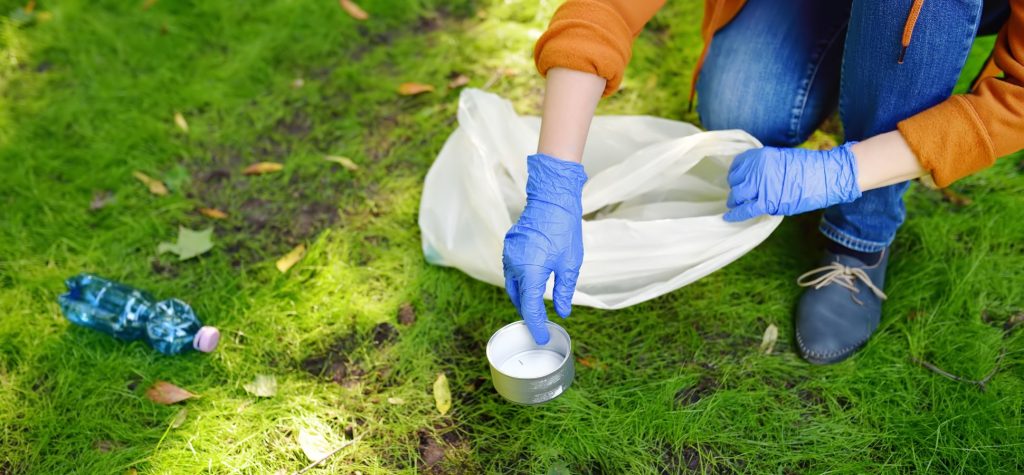
Select biodegradable soaps, detergents, and toiletries that will not harm the soil and water in the area. When preparing or consuming food, use biodegradable plates, cups, and cutlery if disposable items are necessary. Opt out for biodegradable trash bags for comping to contain waste; these trash bags also enhance the rapid decomposition of any waste items. If you are using one-time batteries for any equipment like cameras or lights, make sure they are biodegradable, as they do not pose a threat of polluting the environment once they have been used.
Ensure You Have Renewable Energy
Solar energy is one of the most efficient and widely used sources of electricity in the open environment. Portable solar chargers can charge small gadgets such as phones, cameras, and small camping lights. For more power requirements, go for a portable solar power generator. When you use renewable energy, you reduce fossil energy usage, minimize carbon emissions, and make your camping even more environmentally friendly.
Find an Eco-friendly Campsite
Look for an eco-friendly campsite near your area. Some campsite facilities include recycling bins, solar and wind energy, and low water usage. Eco-friendly campsites can be identified by certification from environmental agencies, and they have clear environmental policies. Such sites usually have good tracks, properly defined sanitary facilities, and rules for the protection of the environment.
Remain in Your Designated Area
It is important to respect nature and remain in the area allocated for camping. When people go off the tracks and camp in unauthorized places, wildlife can be affected, and it can also cause soil erosion and destruction of vegetation. Going off to hidden places can attract dangerous animals and impose threat to your safety. Make sure you stick to the existing trail and refrain from forming new ones. Your tent sites should also be selected in a way to reduce your ground to the smallest area possible.
Don’t Disturb the Wildlife
Do not feed wild animals because human food is unhealthy for them. They can become dependent on it and can develop health issues. Ensure you do not leave your food exposed or waste it without proper packing, as it can attract animals to your campsite. Avoid loud sounds and noises, as they can disturb the animals. When you encounter an animal, it is best to avoid approaching them, even if it’s a deer. Try making your stay as peaceful as possible without disturbing the wildlife in the area.
Eco-friendly camping is a list of do’s and don’ts. If you follow even some of these guidelines, it can greatly contribute to the preservation of nature. Try to reduce, reuse, recycle, save water, and protect wildlife so you can lessen your impact on the environment and may even enhance natural integrity. As nature enthusiasts, we must preserve the wilderness and encourage others to do the same. This will ensure that the environment remains unspoiled, allowing future generations to enjoy the same camping experience and the beauty of nature.