Déjà vu is a perplexing and often unsettling sensation of having already experienced a current moment, despite knowing it is new. This strange feeling has fascinated humans across cultures and eras, inspiring myths and philosophical inquiries. Scientifically, it represents a unique intersection of memory, perception, and brain function that continues to challenge researchers.
Understanding déjà vu requires exploring its prevalence, neurological underpinnings, psychological triggers, and the latest research methodologies. This article delves into what science reveals about this mysterious phenomenon, integrating findings from neurology, cognitive psychology, and brain imaging studies.
What Is Déjà Vu
Déjà vu is a fleeting sensation that something currently happening has already been experienced, even though the situation is objectively new. People often describe it as a sudden, uncanny familiarity with a place, conversation, or event, despite knowing logically that it should be unfamiliar. The term itself comes from French, meaning “already seen.”
Across cultures and history, déjà vu has captured human curiosity. Ancient texts and folklore reference moments of inexplicable familiarity, sometimes attributing them to spiritual or supernatural causes. In some societies, déjà vu has been linked to premonitions, past lives, or messages from the subconscious. Modern science, however, approaches it as a psychological phenomenon, though its full explanation remains elusive.
Research indicates that déjà vu is a universal experience. Studies suggest that up to 60–80% of people report having experienced déjà vu at least once in their lives. It is most commonly reported among adolescents and young adults, with occurrences tending to decrease with age. The sensation appears to be slightly more frequent in individuals who travel often, are highly educated, or experience high levels of stress or fatigue.
Everyday Experiences and Variations
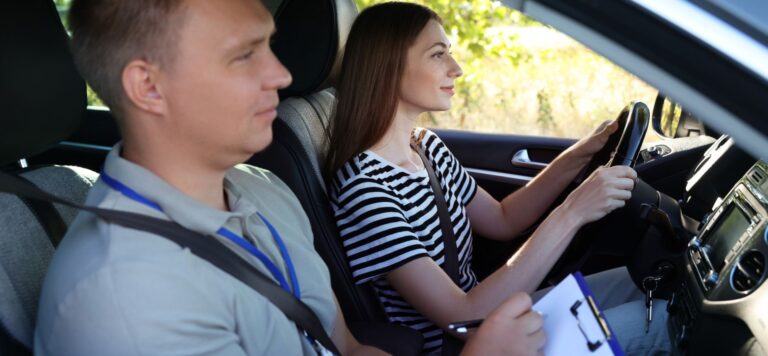
Déjà vu typically arises in ordinary situations—walking into a room, hearing a snippet of conversation, or visiting a new city that feels strangely familiar. Many people recall the sensation during mundane activities, such as shopping or driving, while others experience it in emotionally charged moments.
The frequency and intensity of déjà vu can vary widely among individuals. Some experience it only a handful of times in their lives, while others encounter it more regularly. Factors influencing these differences include age, stress levels, and even certain neurological conditions. For most, déjà vu is brief and harmless, but for a minority, especially those with temporal lobe epilepsy, it can be more intense and frequent, sometimes serving as a warning sign before a seizure.
Neurological Foundations of Déjà Vu
Déjà vu, the uncanny sense that a current experience has already occurred, is rooted in the brain’s complex memory and recognition systems. Research consistently points to the mesiotemporal region—especially the hippocampus and adjacent rhinal cortex—as central players in this phenomenon. The mesiotemporal lobe is crucial for forming and retrieving memories, while the rhinal cortex is involved in recognizing familiarity. When these regions misfire or activate in unusual ways, the brain may incorrectly signal that a new situation is familiar, resulting in déjà vu.
Notably, structural brain differences have been observed in individuals who report frequent déjà vu episodes. Neuroimaging studies reveal subtle variations in the size and connectivity of the mesiotemporal lobe and its subregions. These differences may make some people more susceptible to the neural miscommunications that trigger déjà vu. For example, an overactive rhinal cortex, even in the absence of actual memory recall, can produce a strong sensation of familiarity without context.
A significant link exists between déjà vu and temporal lobe epilepsy (TLE). Many people with TLE experience déjà vu as part of their seizure auras—brief, pre-seizure sensations that often involve memory and perception. During these auras, abnormal electrical activity in the temporal lobe can stimulate the same neural circuits responsible for memory recognition, causing intense and sometimes unsettling déjà vu experiences. This connection has led neuroscientists to use TLE as a model for understanding the neural basis of déjà vu in the general population.
Memory Systems and Processing
Memory is generally divided into short-term and long-term systems. Short-term memory temporarily holds information for immediate use, while long-term memory stores knowledge and experiences over extended periods. Déjà vu is thought to arise when these systems become misaligned.
One theory suggests that information may bypass short-term memory and be processed directly by the long-term memory system, giving the impression that a new experience is actually a recollection. Another hypothesis focuses on the generation of false memories. Here, the rhinal cortex may activate inappropriately, signaling familiarity even when there is no supporting memory trace. This neural misfire can cause the brain to register a novel event as something remembered, creating the hallmark sensation of déjà vu.
Psychological and Environmental Influences
Stress, fatigue, and overall mental state play a significant part in the likelihood of experiencing déjà vu. Individuals who are tired or under psychological strain often report more frequent episodes. This may be due to the brain’s reduced capacity to process information efficiently, making it more susceptible to memory errors or misattributions. When the mind is overworked, familiar cues can become distorted, leading to the sensation that a new experience has already occurred.
Attention, familiarity, and expectation also shape the intensity and frequency of déjà vu. When people are distracted or only partially focused on their surroundings, their brains may fill in gaps with memories that feel out of place. This blending of past and present information can create a strong sense of familiarity, even in new situations. Additionally, environments or scenarios that closely resemble previous experiences—such as similar layouts, sounds, or lighting—can trigger déjà vu. The brain’s expectation mechanisms, which help predict and interpret incoming information, may misfire, causing a false sense of recognition.
Researchers have found that déjà vu is more common in those who frequently travel, move, or encounter novel environments. This suggests that the brain’s comparison between new and stored memories sometimes leads to mismatches, especially when there is a high degree of similarity but not an exact match. These psychological and environmental factors combine to make déjà vu a complex phenomenon, influenced by both internal states and external cues.
Experimental Approaches to Studying Déjà Vu

Studying déjà vu presents unique challenges because it is a spontaneous and unpredictable experience. Traditional laboratory settings struggle to capture genuine episodes, as participants cannot reliably produce them on demand. This has led scientists to develop creative methods to simulate déjà vu-like states in controlled environments.
One approach involves the use of hypnosis, where participants are guided to believe they have previously encountered a specific situation. This can evoke sensations similar to natural déjà vu, allowing researchers to observe the phenomenon in real time. Another method uses virtual reality (VR) technology to immerse individuals in computer-generated environments that subtly mimic real-world settings. By manipulating elements of familiarity and novelty, VR can induce feelings akin to déjà vu, providing valuable data on how the brain processes these experiences.
Functional MRI (fMRI) studies have offered additional insight by examining brain activity during induced déjà vu episodes. These studies reveal heightened activity in regions associated with memory, decision-making, and conflict resolution. For example, when individuals experience déjà vu, their brains show increased engagement in areas responsible for detecting discrepancies between current events and stored memories. This suggests that déjà vu may arise from the brain’s attempt to resolve uncertainty or conflict when faced with ambiguous information.
Together, these experimental approaches are helping to unravel the mechanisms behind déjà vu, shedding light on how psychological and environmental factors interact with neural processes.
Integrative Theories and Hypotheses
Researchers have proposed several models to explain the peculiar sensation of déjà vu, each drawing on different aspects of memory and perception. One prominent idea is the short-circuit hypothesis, which suggests that déjà vu arises from a brief miscommunication between the brain’s memory systems. In this view, information meant for short-term processing accidentally gets routed through long-term memory circuits, creating a false sense of familiarity. This neural ‘short-circuit’ can trick the brain into believing a new experience is actually a memory.
Another approach is the conflict resolution model. According to this theory, déjà vu occurs when the brain detects a mismatch between sensory input and stored memories. The mind is constantly trying to reconcile what it perceives with what it already knows. When there is a subtle conflict—such as a new place resembling a familiar one—the brain may flag this as a recognition error, resulting in the uncanny feeling of déjà vu.
A third explanation centers on false recognition and familiarity misattribution. Here, the sensation is thought to stem from the brain mistakenly tagging a novel experience as familiar. This can happen when certain features of a situation—like a pattern, smell, or sound—resemble elements from past experiences. The brain’s familiarity system, which usually helps us recognize people and places, can sometimes overgeneralize, leading to the erroneous impression that we have lived through the moment before.
Together, these integrative theories highlight the complexity of memory and perception, suggesting that déjà vu is not the result of a single cause but rather a convergence of subtle glitches in the brain’s recognition and memory systems.
Clinical Relevance and Implications
Déjà vu is more than a fleeting curiosity—it plays a significant role in clinical settings, particularly as a potential diagnostic clue. In neurology, the experience of déjà vu is closely associated with temporal lobe epilepsy. Patients with this form of epilepsy often report intense and frequent episodes of déjà vu as part of their seizure aura. These episodes may precede or accompany seizures and can help clinicians identify the origin of abnormal brain activity. Recognizing these patterns allows for more targeted diagnostic investigations, such as EEG monitoring and neuroimaging, to confirm temporal lobe involvement.
Beyond epilepsy, the occurrence of déjà vu has prompted research into its connections with other neurological disorders. Studies suggest that frequent or persistent déjà vu experiences may be linked to underlying cognitive decline or neurodegenerative diseases, such as Alzheimer’s disease. In these cases, déjà vu might signal disruptions in memory processing or indicate broader changes in brain function. While occasional déjà vu is common and generally benign, clinicians are attentive to its frequency and context, as unusual patterns could warrant further neurological evaluation.
Key clinical considerations include:
- Monitoring déjà vu in patients with suspected temporal lobe epilepsy as a potential marker for seizure activity
- Evaluating the frequency and intensity of déjà vu in older adults, which may help identify early cognitive changes
- Distinguishing between benign déjà vu and episodes that could indicate more serious neurological conditions
By understanding the clinical relevance of déjà vu, healthcare professionals can better assess neurological health and respond to early warning signs of more significant disorders.
Future Directions in Déjà Vu Research
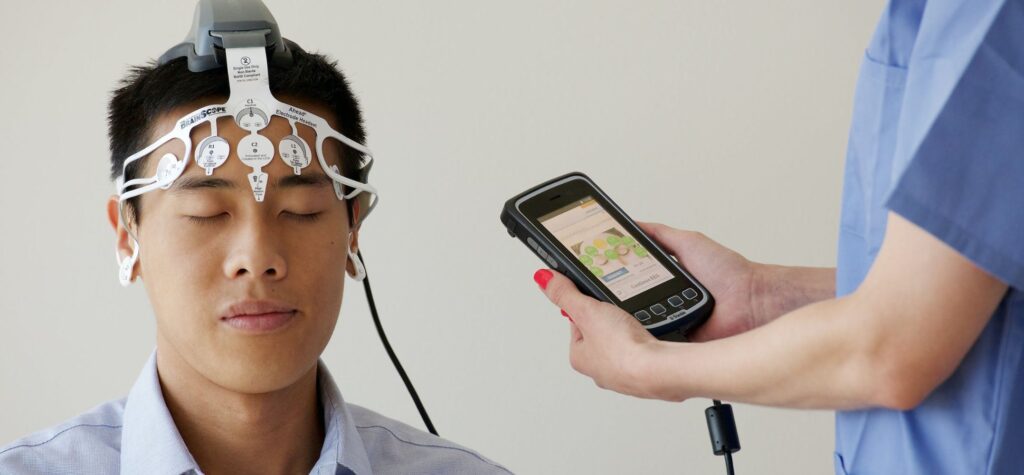
Recent progress in neuroimaging and real-time brain monitoring is opening new possibilities for understanding déjà vu. Technologies such as functional MRI and advanced EEG now allow researchers to observe the brain as déjà vu occurs, capturing the neural activity that underlies this phenomenon. These tools are making it possible to pinpoint which regions of the brain are involved and how they interact during episodes of déjà vu.
Looking ahead, scientists are optimistic about using these methods to explore deeper questions about consciousness and memory integration. Déjà vu may offer a unique window into how the brain distinguishes between real experiences and memories, and how it integrates new information with what is already stored. Insights from this research could help clarify the boundaries between perception, memory, and awareness.
To move beyond individual case studies and laboratory experiments, there is a growing recognition of the need for large-scale, longitudinal studies. Tracking déjà vu experiences across diverse populations and over extended periods could reveal patterns and risk factors that are currently unknown. Such studies would also help determine how often déjà vu occurs in different age groups, cultures, or in relation to neurological conditions, providing a broader context for interpreting individual findings.
By combining advanced brain imaging, theoretical work on consciousness, and robust population-level research, the next decade promises a more comprehensive understanding of déjà vu and its place in the human mind.
Takeaways
Déjà vu is a frequent experience for many people, but its roots are deeply tied to the complexities of memory. Scientists have identified that this sensation often stems from specific brain regions, particularly those involved in memory processing. When these areas experience minor anomalies, the brain can mistakenly signal that a current event has already occurred.
Stress and fatigue are notable factors that can increase how often déjà vu happens. These states may disrupt normal brain function, making memory errors more likely. Additionally, research into neurological conditions such as epilepsy has offered valuable clues, as individuals with certain types of seizures report déjà vu more often, helping scientists pinpoint the neural pathways involved.
To study déjà vu, researchers use a range of methods, including:
- Hypnosis to recreate the sensation in controlled settings
- Virtual reality to simulate familiar environments
- Brain imaging to observe activity during episodes
These approaches have expanded our understanding of how memory works and how the brain processes familiarity. Ultimately, exploring déjà vu not only unravels the mystery behind this strange feeling but also deepens our knowledge of memory and brain function overall.
Frequently Asked Questions
What causes déjà vu?
Déjà vu is often described as the feeling that a current situation is eerily familiar, even though it shouldn’t be. Scientists believe it may stem from a brief miscommunication between parts of the brain responsible for memory and recognition. This could involve the temporal lobe, which processes memories, and the frontal lobe, which handles decision-making and awareness.
Is déjà vu related to memory problems?
For most people, déjà vu is not a sign of memory issues. It’s common in healthy individuals, especially young adults. However, frequent or intense episodes can sometimes be linked to certain neurological conditions, such as temporal lobe epilepsy. In these rare cases, déjà vu may be accompanied by other symptoms like confusion or loss of awareness.
Can déjà vu predict neurological conditions?
Occasional déjà vu is not a cause for concern. But if episodes are frequent, prolonged, or occur with other unusual symptoms, they can sometimes be an early sign of neurological conditions. Doctors may investigate further if déjà vu is paired with memory loss, blackouts, or changes in behavior.
How do scientists study déjà vu?
Researchers use a mix of methods to study déjà vu, including:
- Surveys and interviews to track how often people experience it and under what circumstances
- Brain imaging techniques, such as MRI and EEG, to observe activity during episodes
- Laboratory experiments that try to recreate the sensation using virtual reality or memory tasks
Does everyone experience déjà vu?
Most people report experiencing déjà vu at least once in their lives. It is most common in people between the ages of 15 and 25, and tends to decrease with age. Some individuals may never experience it, while others might notice it more frequently.