
Your gut is like the command center of your body; it’s not just about digestion. It affects your mood, energy, immune system, and even your skin. If your gut’s out of whack, you might feel bloated, tired, or just off.
In this article, we’re diving into practical strategies to improve your gut health. We’re talking real food, real habits, and real results, backed by science from places like Harvard Health and the Cleveland Clinic. Whether you’re dealing with digestive issues or just want to feel better overall, these tips are for you. Let’s get started.
Understanding Gut Health
So, what’s the deal with gut health? Your gut is home to trillions of bacteria, viruses, and fungi, collectively called the gut microbiome. When the good bacteria are in charge, your gut runs smoothly. But when the bad ones take over, you might notice bloating, gas, constipation, or even mood swings. Research from 2024 shows that a diverse gut microbiome is linked to lower inflammation and better metabolic health, while a 2025 study highlights its role in boosting immunity.
Your gut’s connected to almost every part of your body. The gut-brain axis, for example, is a two-way communication line between your digestive system and your brain. This means a healthy gut can help you think clearly and feel less stressed. About 70% of your immune cells live in your gut, so it’s also a key player in fighting off infections. On the flip side, an unhealthy gut can contribute to issues like Irritable Bowel Syndrome (IBS), leaky gut syndrome, or even anxiety.
Besides immunity, experts are looking at how gut microbes talk to metabolic hormones to help manage weight. Scientists think the GLP-1 microbiome connection helps your body balance blood sugar levels more naturally. This link shows why keeping your internal ecosystem healthy is so important for your metabolism.
Signs of a healthy gut include regular bowel movements, no abdominal pain, and smooth digestion. If you’re dealing with bloating, diarrhea, fatigue, or skin problems, your gut might be sending you an SOS. The good news? You can take steps to fix it, and they’re easier than you might think.
Proven Ways to Heal Your Gut
Let’s cut to the chase. Here are six evidence-based strategies to get your gut in top shape.
| Strategy | Details |
| Eat Probiotic Foods | Yogurt, kefir, sauerkraut, and kimchi crowd out bad bacteria |
| Include Prebiotics | Garlic, onions, bananas; feed good bacteria |
| Manage Stress | Meditation, yoga, and deep breathing |
| Stay Active | 150-270 min/week moderate exercise; boosts microbiome diversity |
| Reduce Fats/Sugars | Limit processed foods; supports gut lining |
| Balanced Diet | Fiber, vitamin D, L-glutamine; supports overall gut function |
1. Eat Probiotic-Rich Foods
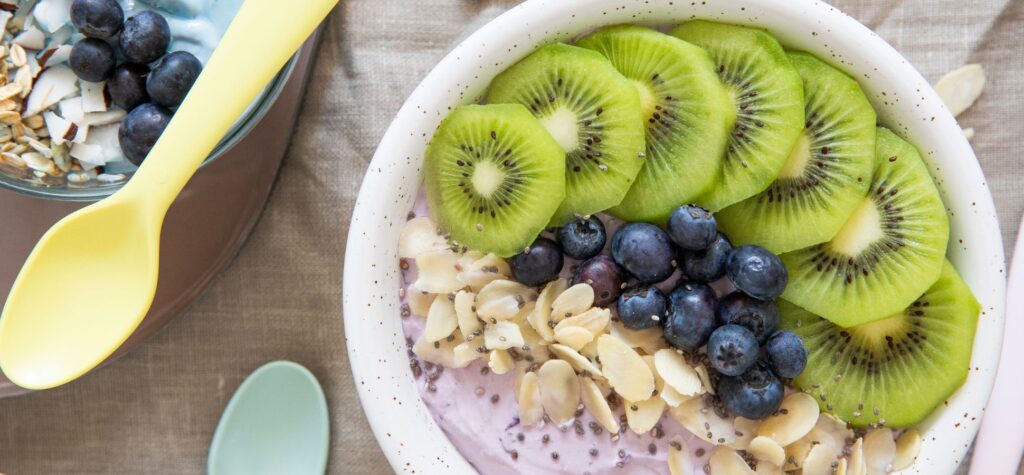
Probiotics are live bacteria that boost your gut’s good guys. You’ll find them in fermented foods like yogurt, kefir, sauerkraut, kimchi, kombucha, and even apple cider vinegar. These foods help crowd out harmful bacteria and strengthen your gut lining. For example, a 2024 study in the Journal of Clinical Gastroenterology found that daily probiotic intake reduced bloating and abdominal pain in IBS patients after eight weeks.
How to do it: Start your day with a bowl of Greek yogurt topped with berries and a sprinkle of chia seeds. Choose low-sugar options, as excess sugar can feed bad bacteria. If you’re new to fermented foods, try a small serving of sauerkraut with lunch—it’s tangy and packed with probiotics. Aim for one or two servings daily to see results.
2. Include Prebiotic Foods
Prebiotics are like fertilizer for your good gut bacteria. They’re found in high-fiber foods like garlic, onions, bananas, asparagus, oats, and legumes (think lentils or chickpeas). These foods help your beneficial bacteria thrive, producing short-chain fatty acids that reduce inflammation and support gut barrier function.
How to do it: Add a banana to your morning smoothie or toss some garlic and onions into your stir-fry. Aim for a variety of prebiotic foods to keep your microbiome diverse. A 2025 report from Clasado Biosciences notes that prebiotic fibers, like galactooligosaccharides (GOS), are gaining popularity for their stability and effectiveness.
3. Manage Stress
Stress is a gut-killer. When you’re stressed, your body pumps out cortisol, which can mess with your gut bacteria balance and lead to issues like bloating or IBS flare-ups. The vagus nerve, part of the gut-brain axis, gets blocked by stress, disrupting communication between your gut and brain.
How to do it: You don’t need to become a zen master. Try five minutes of deep breathing or a quick meditation session using an app like Headspace. Yoga’s also great—studies from 2023 show mindfulness-based stress reduction can ease IBS symptoms by reducing pain and improving quality of life. Even a short walk can help reset your stress levels.
4. Stay Physically Active
Exercise isn’t just for your muscles—it’s a gut game-changer. Physical activity helps food move through your digestive system, reduces inflammation, and boosts microbiome diversity. A 2024 study in Nutrients found that 150-270 minutes of moderate exercise per week, like brisk walking or cycling, positively impacts gut bacteria.
How to do it: Aim for 30 minutes of movement most days. Walking, yoga, or swimming are great options. If you’re short on time, try a 10-minute bodyweight workout or take the stairs instead of the elevator. Consistency is key—your gut will thank you.
5. Reduce Dietary Fats and Sugars
High-fat and high-sugar diets are like a buffet for bad gut bacteria. They can trigger inflammation and weaken your gut lining, potentially leading to leaky gut syndrome. The Cleveland Clinic notes that cutting back on processed foods and sugary snacks can help restore balance.
How to do it: Swap out fried foods and sugary drinks for whole foods like fruits, vegetables, lean proteins, and whole grains. If you suspect food sensitivities, a low FODMAP diet might help— it’s designed to reduce IBS symptoms by eliminating common triggers. A 2025 study suggests reducing dietary fats can improve gut barrier function.
6. Follow a Balanced Diet
A varied, nutrient-rich diet is the foundation of gut health. Fiber keeps things moving, while vitamins and minerals support gut function. Vitamin D and L-glutamine, in particular, may help repair the gut lining, according to the Cleveland Clinic.
How to do it: Fill your plate with colorful fruits and veggies, whole grains, and lean proteins. Foods like salmon, eggs, and fortified dairy are great for vitamin D. For fiber, aim for 25-30 grams daily from sources like broccoli, lentils, and oats. A diverse diet means a diverse microbiome, which is key to gut health.
Additional Tips for Gut Health

- Stay Hydrated: Water keeps your digestive system humming. Aim for at least 8 glasses daily to prevent constipation and support nutrient absorption.
- Get Enough Sleep: Your gut repairs itself during sleep. A 2025 study in Frontiers in Microbiology found that gut bacteria influence sleep quality, so aim for 7-9 hours nightly.
- Avoid Unnecessary Antibiotics: Antibiotics can wipe out good bacteria, leading to dysbiosis. Use them only when prescribed, and consider probiotics afterward to restore balance.
Common Gut Health Issues
Here’s a rundown of common gut problems and how these strategies can help:
- Irritable Bowel Syndrome (IBS): Affects the large intestine, causing cramping, bloating, and irregular bowel movements. Probiotics, stress management, and a low FODMAP diet can ease symptoms.
- Leaky Gut Syndrome: A damaged gut lining lets toxins leak into the bloodstream, causing inflammation. Probiotics, prebiotics, and a balanced diet can help repair it.
- Small Intestinal Bacterial Overgrowth (SIBO): Too many bacteria in the small intestine lead to bloating and malabsorption. Treatment often involves antibiotics followed by probiotics.
- Inflammatory Bowel Disease (IBD): Conditions like Crohn’s or ulcerative colitis involve chronic inflammation. Diet and stress management can support medical treatment.
Gut-Friendly Recipes
Try these quick recipes to boost your gut health:
- Overnight Oats with Yogurt and Berries
- Ingredients: 1/2 cup rolled oats, 1/2 cup Greek yogurt, 1/4 cup mixed berries, 1 tbsp chia seeds, 1 tsp honey (optional)
- Instructions: Mix in a jar, refrigerate overnight, and enjoy a probiotic-packed breakfast.
- Sauerkraut and Avocado Toast
- Ingredients: Whole grain bread, avocado, sauerkraut, salt, pepper
- Instructions: Toast bread, mash avocado on top, add sauerkraut, and season.
- Kombucha Smoothie
- Ingredients: 1 cup kombucha, 1 banana, 1/2 cup spinach, 1 tbsp flax seeds
- Instructions: Blend until smooth for a gut-friendly drink.
Supplements for Gut Health
Whole foods are best, but supplements can help in some cases:
- Probiotics: Choose multi-strain supplements with Lactobacillus or Bifidobacterium.
- Prebiotics: Inulin or fructooligosaccharides (FOS) feed good bacteria.
- Digestive Enzymes: Aid digestion, reducing discomfort.
- L-Glutamine: Supports gut lining repair.
Always check with a doctor before starting supplements, especially if you have health conditions.
Conclusion
Healing your gut doesn’t have to be a chore. These simple strategies—eating probiotic and prebiotic foods, managing stress, staying active, and cutting back on junk—can make a big difference. Start small, like adding yogurt to your breakfast or taking a quick walk. Your gut is the foundation of your health, so give it some love.
FAQ
- How long does it take to heal the gut?
Results vary, but many notice improvements in weeks. Full healing may take months. - Can I take probiotics with antibiotics?
Take probiotics a few hours before or after antibiotics to avoid interference. - Can you overdo probiotics?
Some may experience bloating initially. Start low and increase gradually. - What are the best gut health foods?
Fermented foods (yogurt, kimchi) for probiotics; high-fiber foods (garlic, oats) for prebiotics. - How does stress affect the gut?
Stress increases cortisol, disrupting bacterial balance and causing digestive issues.