Traveling is all about discovery, relaxation, and stepping away from your usual routine. But for those who follow intermittent fasting, vacation can throw a serious curveball.
From unpredictable meal times to tempting buffets and time zone shifts, maintaining your fasting rhythm might feel like a losing battle.
The good news?
With just a few clever strategies, it’s absolutely possible to stick to your intermittent fasting plan while traveling—and even feel better doing it. Whether you’re hopping time zones or just enjoying a weekend escape, these 7 practical fasting travel tips will help you stay consistent, energized, and in control.
Let’s break down how intermittent fasting and vacation can actually go hand-in-hand.
1. Plan Your Fasting Window Around Flights and Local Time
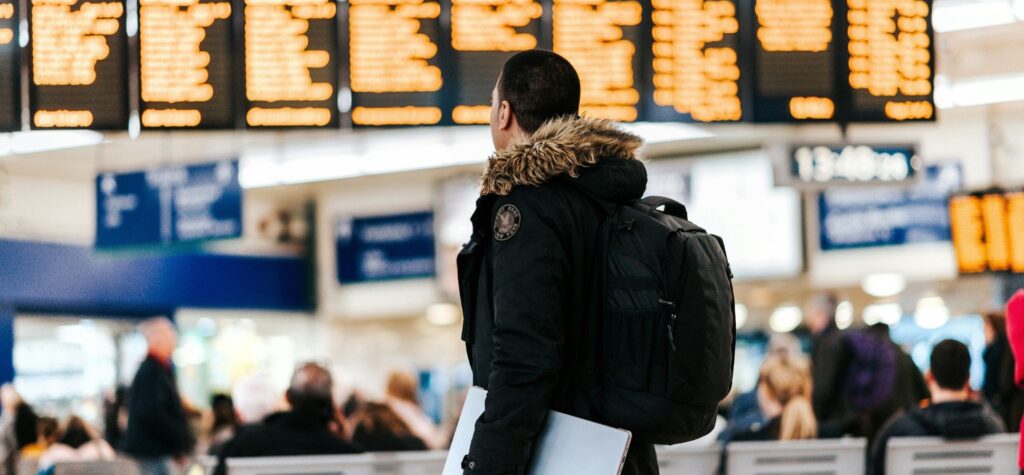
One of the biggest intermittent fasting challenges during vacation is navigating different time zones. But rather than fighting it, you can use fasting to help realign your body clock faster.
Start by adjusting your eating window to match your destination’s time zone a day or two before travel. For example, if you’re flying eastward and losing hours, start pushing your eating window earlier in the day. That way, by the time you arrive, your body is already in sync with the new rhythm.
On the travel day itself, try fasting through your flight and break your fast with breakfast after landing, adjusted to the local time. A common strategy is to do a 16-hour fast during the journey, especially on overnight flights. Not only does this limit in-flight bloating, but it also helps regulate hunger hormones once you arrive.
This trick also works well with early or late hotel check-ins. If you’re arriving late at night, avoid eating just for the sake of it. Fast through the night, sleep it off, and enjoy a balanced meal in the morning.
By consciously planning your meal timing, you’re not just maintaining your fasting schedule—you’re turning your fast into a jet lag recovery tool.
2. Hydrate Strategically During Fasting

While adjusting your eating window is key, hydration is your real secret weapon when fasting on vacation.
When you’re fasting and traveling, your body is working overtime. You’re exposed to dry airplane air, increased movement, changes in sleep, and new environments—all of which dehydrate you faster than normal. Without water, herbal teas, or electrolytes, a fasting headache or energy crash could hit hard and derail your entire plan.
Keep a reusable water bottle with you at all times. Many airports now have refill stations, and you can even ask flight attendants to top it up during longer flights. Sipping water frequently not only curbs hunger but also aids digestion and keeps your body alert.
For extra support, consider adding a zero-calorie electrolyte mix to your water, especially in hot climates or during long-haul travel. It replenishes sodium, magnesium, and potassium lost through sweat and activity, which is crucial when you’re not eating and getting these through food.
Tea lovers can also benefit. Herbal teas like peppermint, ginger, or rooibos are fasting-friendly, travel-safe, and great for calming nerves or upset stomachs mid-flight.
So while food takes a backseat during your fasting window, hydration becomes the main character in keeping you sharp and comfortable.
3. Keep Busy to Beat Hunger

Every traveler knows the feeling—waiting at the gate, sitting on the plane, staring at your watch, and suddenly realizing you’re starving. But often, it’s not true hunger—just boredom in disguise.
That’s why one of the smartest ways to stay consistent with intermittent fasting while traveling is simply to keep yourself occupied. The more distracted you are, the less likely you are to fixate on snacks or meals.
Use airport layovers to walk, explore different terminals, or even do light stretching. On the plane, bring books, watch a movie, or plan your itinerary. Keeping your mind stimulated can trick your brain into bypassing hunger cues.
Once you arrive, continue staying active. Take a walk, unpack, check out the area—anything to shift focus away from food. This is especially helpful if you land during fasting hours and need to delay your next meal.
Remember, hunger usually comes in waves.
Staying busy helps you ride them out until your next planned meal, without giving in to random snacking or sugary temptations.
4. Use Modified Fasting if Needed

Let’s face it—traveling isn’t always predictable. You might face long layovers, missed meals, or even social dining events that don’t align with your fasting window. This is where a modified fasting approach becomes incredibly useful.
Modified fasting allows for a small amount of calories during your fasting window—typically around 20–25% of your usual intake—without breaking the benefits of the fast. This can be especially helpful on long travel days where you need just enough energy to stay alert, but still want to maintain your routine.
When choosing what to eat, prioritize small, nutrient-dense foods that are high in healthy fats and protein rather than carbohydrates. Think along the lines of hard-boiled eggs, cheese, unsweetened Greek yogurt, nuts, or even MCT oil in black coffee. These options help stabilize your blood sugar without triggering a major insulin response.
If you’re stuck in transit and feel weak or dizzy, don’t hesitate to use this strategy. A modified fast isn’t a failure—it’s a smart adaptation. It helps you stay committed to your goals while honoring your body’s needs in a new environment.
5. Do a Pre-Vacation Rhythm Shift

Success with intermittent fasting while traveling often starts before the vacation even begins. If you’re heading into a different time zone or shifting to an unusual routine, a pre-vacation rhythm shift can prepare your body for the change.
Start this 2–4 days before departure. Gradually adjust your eating and sleeping schedule to align more closely with your destination. For instance, begin eating earlier or later depending on whether you’re flying east or west. This helps your internal clock transition more smoothly once you arrive.
Another technique borrowed from biohackers and elite travelers is the Argonne protocol—a fasting method used to reset your circadian rhythm during trans-meridian flights. It involves alternating feast and fast days before travel, finishing with a fasting day during the flight, and breaking the fast at breakfast in the destination’s time zone. This rhythm shift helps you adapt faster, reduce jet lag, and feel more energetic upon arrival.
Even a simplified version of this—just pushing or pulling your eating window—can make a noticeable difference. Prepping your body ahead of time gives you a head start on staying consistent once you’re on the ground.
6. Celebrate With a Well-Planned Fast-Breaker

One of the most enjoyable moments of intermittent fasting on vacation is breaking your fast, and doing it the right way can set the tone for the rest of your trip.
Instead of grabbing the nearest pastry or indulging in a greasy fast-food meal, make your first post-fast meal count. Choose foods rich in nutrients, especially protein and fiber, to help stabilize your blood sugar and keep you full for hours. Think grilled chicken or fish, fresh vegetables, olive oil dressings, and local whole foods that give you energy without weighing you down.
Not only does this help maintain your intermittent fasting goals, but it also enhances your travel experience. Exploring new cultures through clean, nourishing meals adds depth to your journey while keeping you on track.
Your fast-breaker should feel like a celebration—one that reflects both your discipline and your appreciation for the local flavors. This approach satisfies your hunger without sending your body into energy spikes and crashes, which are common pitfalls during travel.
7. Be Flexible and Listen to Your Body

As much as consistency is important, so is flexibility. Travel is unpredictable, and sometimes your body will need you to adjust.
If you’re feeling overly fatigued, dehydrated, or stressed, don’t push yourself into a strict fasting schedule. Intermittent fasting is a tool for health, not a source of stress. There’s no harm in shifting your window, shortening your fast, or skipping it entirely for a day or two.
This mindset not only supports long-term success but also keeps fasting from becoming a burden. It reinforces that you’re in control of your routine, not the other way around. Listen to your hunger cues, honor your energy levels, and focus on enjoying the travel experience with a sense of mindfulness and balance.
Bonus Hacks for Staying on Track
If you’re ready to take your travel fasting routine to the next level, a few extra hacks can make all the difference. These simple but effective techniques help you stay consistent even when plans change or temptations strike.
Always carry a few fasting-friendly snacks just in case your window opens during a moment with limited food options. Unsalted almonds, beef jerky, or small protein bars are easy to pack and supportive of your goals. They can bridge the gap between meals without derailing your routine.
Another great trick is to use intermittent fasting apps like Zero, BodyFast, or Fastic.
These tools let you track your fasting window, receive motivational alerts, and stay accountable—even across time zones. Some apps even offer visual timelines to guide you through pre-set travel-friendly plans.
Lastly, keep a simple journal—on paper or digital. Logging your fasting windows, energy levels, and meals helps you notice patterns, stay aware of your goals, and identify what works best for you while you’re away from home.
With these small but effective additions to your routine, intermittent fasting becomes less of a challenge and more of a lifestyle, even while on vacation.
Troubleshooting and FAQs
The following are the answers to some of the questions that people ask:
What if I feel weak or dizzy while fasting on vacation?
If you feel unusually weak, lightheaded, or irritable during your fast, consider using a modified fasting approach—add a small serving of protein or healthy fat. Also, check your hydration and electrolyte intake, as dehydration is a common issue during travel fasting.
Can I take medications during my fasting window?
Always follow your doctor’s guidance. Some medications must be taken with food, in which case it’s okay to break your fast early. Adjust your eating window around your prescription requirements and resume fasting once it’s safe.
What if jet lag is still hitting me hard despite fasting?
Fasting can help, but so can natural light exposure, a good sleep schedule, and moving your body during the day. Try to eat your meals during daylight hours at your destination and avoid caffeine too late in the day.
Fasting is a helpful tool, but not the only one. Combine it with other smart travel health habits for the best results.
Sample 7-Day Travel Fasting Plan
To give you a practical guide, here’s a simple 7-day travel intermittent fasting plan that incorporates the tricks covered in this article. Feel free to adjust based on your flight times and schedule.
- Day 1–2: Begin shifting your fasting window to match your destination time zone. Eat dinner earlier or later, depending on where you’re headed. Stay hydrated and get quality sleep.
- Day 3 (Travel Day): Begin a 16-hour fast before your flight. Drink water, herbal tea, and use electrolytes during the journey. Land and break your fast with breakfast at the destination.
- Day 4–6: Maintain a consistent 16:8 or 14:10 fasting window. Prioritize whole meals and stay mindful of local food quality. Walk often and hydrate regularly.
- Day 7 (Return Day): Adjust your fasting window again for the flight back. Fast through the trip and break your fast with a healthy meal once home. Re-align to your original routine over the next few days.
By planning ahead and staying flexible, you can enjoy your trip while still supporting your intermittent fasting goals.
Conclusion
Vacations are meant to be enjoyed, but they don’t have to derail your health goals. With the right preparation and a little awareness, intermittent fasting while traveling can make your trip smoother, healthier, and more energizing.
From planning your eating window to hydrating smartly, breaking your fast with intention, and adjusting your rhythm ahead of time, these tricks are practical tools you can use anytime, anywhere. Remember: the goal isn’t perfection—it’s progress. Staying consistent on vacation doesn’t mean being rigid. It means staying aware, listening to your body, and making choices that align with how you want to feel during your travels.
So go ahead—book the flight, pack your bags, and bring your fasting mindset along for the ride.
If you found these travel fasting tips helpful, share this post with a fellow traveler!
Thanks for reading!