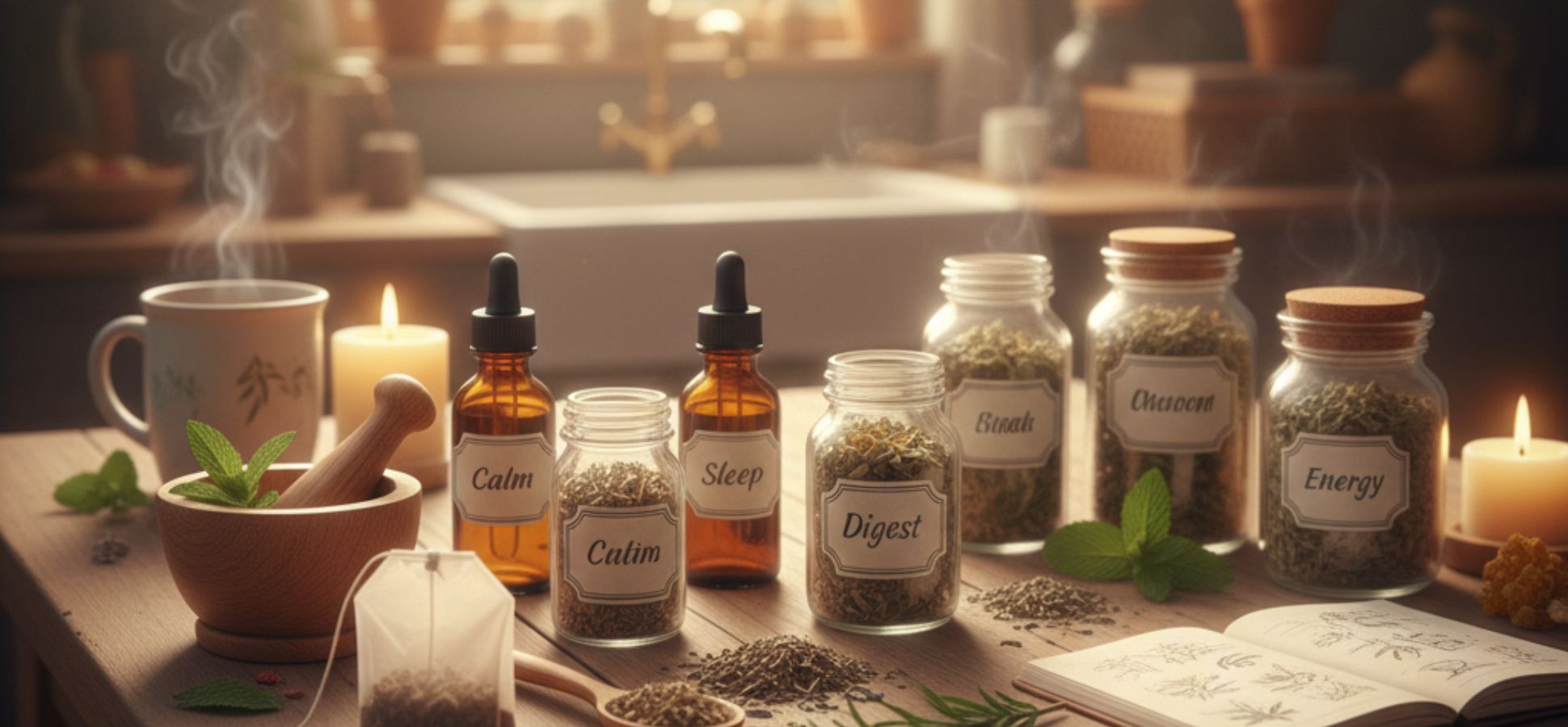
In a world that often feels overcomplicated and overstimulated, many of us are looking to reconnect with something simpler, slower, and more rooted in nature. One of the most accessible ways to do this is by turning to herbs—ancient allies in wellness that offer a quiet kind of strength. Whether it’s a steaming cup of chamomile tea before bed or a soothing lavender balm for tension, everyday herbs can become powerful tools in your personal self-care ritual.
Herbal self-care isn’t just about swapping out pharmaceuticals or going “all natural”—it’s about tuning into your body’s needs, your environment, and the rhythms of the seasons. Modern wellness movements like those explored on greenheal net emphasize this integrative approach, where herbs aren’t simply supplements, but companions in a holistic lifestyle.
So how can you start building your own herbal toolkit? Let’s explore a few everyday herbs that can help you find calm, clarity, and resilience—right from your kitchen shelf or garden bed.
1. Chamomile: The Calming Classic
Chamomile is perhaps one of the most widely loved herbs for good reason. Its gentle floral taste and calming properties make it a staple in bedtime routines. Chamomile tea can help reduce anxiety, ease digestion, and support sleep—all vital for recovery and stress relief.
Try this: Make a strong infusion before bed with 2–3 teaspoons of dried chamomile flowers. Steep for 10–15 minutes and sip slowly. Add a bit of honey for sweetness and extra soothing power.
2. Lavender: Aromatherapy in a Bloom
Lavender isn’t just for scenting drawers—it’s a powerhouse for emotional balance. Used in oils, sprays, or teas, it helps reduce nervous tension, lift mood, and even ease headaches. Inhaling lavender essential oil before bed has been shown to improve sleep quality and reduce stress levels.
DIY tip: Create a lavender linen spray with distilled water, witch hazel, and a few drops of lavender essential oil. Mist your pillow each night for an instant dose of calm.
3. Peppermint: Clarity and Energy in a Leaf
When fatigue or brain fog hits, peppermint offers a gentle lift. Its menthol content has invigorating effects, and it’s excellent for supporting digestion and relieving headaches. Whether sipped as tea or applied as diluted oil to the temples, it awakens both the mind and body.
Use it fresh or dried in homemade teas, or keep a roller of peppermint essential oil nearby for an on-the-go refresh.
4. Calendula: Healing from the Outside In
Often overlooked, calendula is an unsung hero for skin health. Anti-inflammatory and antimicrobial, it can help with minor cuts, burns, or irritation. It’s also great for dry, sensitive skin when infused in oil and turned into a simple salve.
Make your own salve: Infuse dried calendula petals in olive oil over a sunny windowsill for 2–3 weeks, then strain and mix with melted beeswax. Store in a small tin and use as needed on hands, lips, or rough patches.
5. Lemon Balm: The Gentle Uplifter
Lemon balm has a soft citrusy flavor and a unique ability to both calm the nervous system and brighten mood. It’s ideal during periods of emotional fatigue, overwhelm, or poor sleep. It blends beautifully with chamomile or mint in tea form and grows easily in pots or gardens.
Simple use: Brew fresh or dried lemon balm into an afternoon tea to counteract mental fatigue and refresh your senses.
Creating Your Herbal Toolkit
An herbal toolkit doesn’t need to be complex. Start with a few go-to herbs that match your current needs—maybe one for sleep, one for energy, and one for emotional balance. Keep them stored in airtight jars in a cool, dark place, and always label them with dates for freshness.
Pair your herbs with simple tools like a tea infuser, a glass spray bottle, a small crock pot for oil infusions, and a notebook to track your reactions and recipes. Over time, you’ll find that your practice becomes intuitive—less about following instructions and more about listening to your body.
Cultivating Connection Through Plants
Herbs offer more than their physical properties. They invite us to slow down, listen, and engage with self-care in a way that feels intentional and nourishing. Building your herbal toolkit is not just about wellness—it’s about remembering that healing can be simple, beautiful, and rooted in the rhythms of nature.
And in those quiet moments—sipping tea, rubbing oil into your palms, breathing in lavender before bed—you’ll find your herbal allies waiting to support you, one ritual at a time.