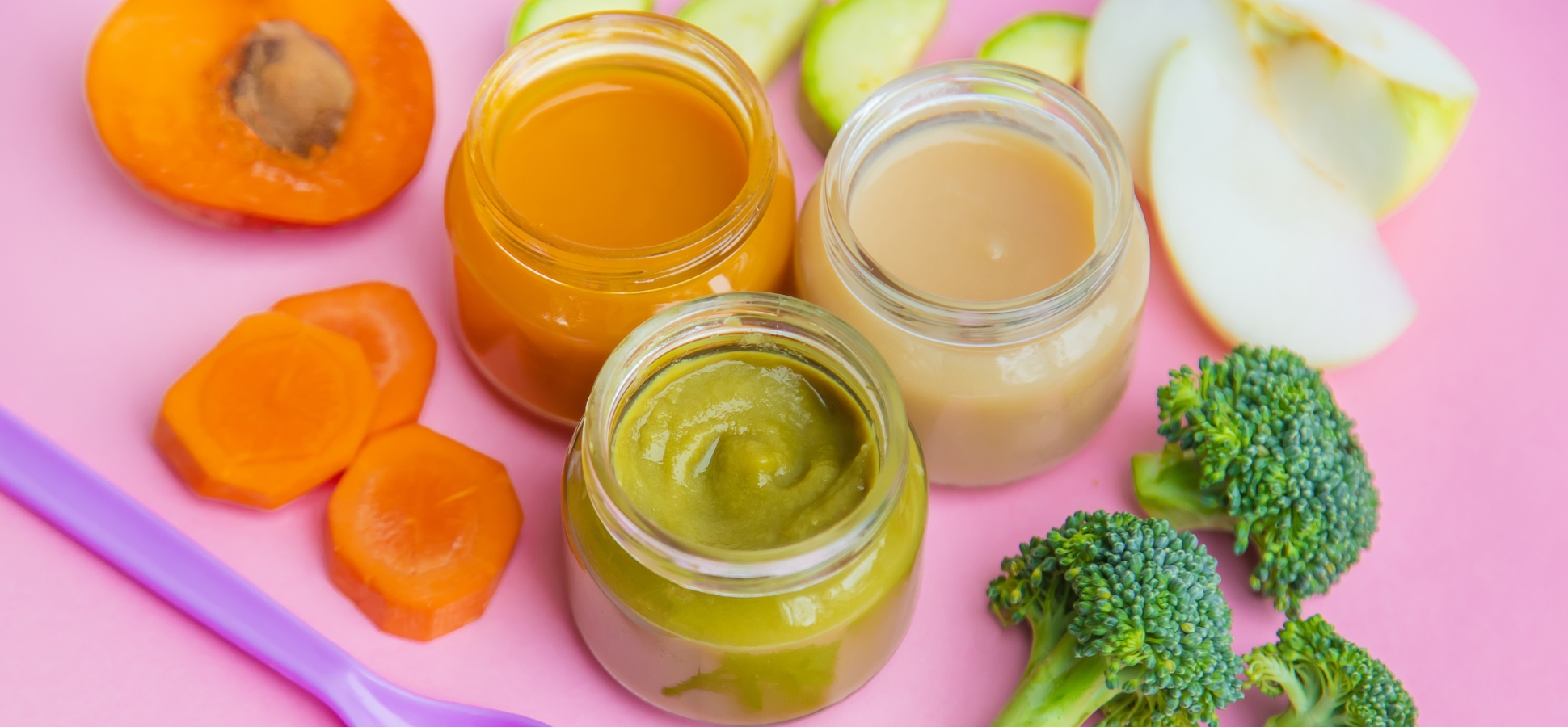
As a parent, few things are as paramount as giving your child the best nutrition and a healthy life. Nutrition is indeed vital to their growth and overall well-being. While commercial jars and pouches may be handy, a growing number of parents in 2025 are shifting to homemade baby food. The reason is simple. Preparing food yourself means that you dictate what goes into every part. Every spoonful is filled with fresh and healthy ingredients, no added sugars, and lots of affection.
Making homemade baby food is not simply healthier but also pocket-friendly, simple to make, and definitely fun. Whether you are introducing solids to your baby for the first time or are on the hunt for new healthy dishes for babies, this guide will equip you with seven of the easiest homemade baby food recipes that are a must-try for every parent this year.
Why Homemade Baby Food Matters in 2025
For today’s parents, nutrition and diet have become more important than ever. With increasing concern regarding food additives, preservatives, and overlong ingredient lists, families are gravitating towards cooking for their children from scratch.
Nutritional Advantage
Fresh baby food provides the full spectrum of whole food vitamins and minerals, as well as avoiding packaged options like hidden sugars, excessive salt, or preservatives.
Personalised for Your Baby
Whether your baby is just adapting to purees or is ready to learn soft finger foods, you decide the flavours, textures, and amount. This makes it simpler to cater to the child’s taste and their changing skills.
Peace of Mind for Parents
You decide the ingredients, and that means you know exactly what your baby is consuming. This makes mealtime more than a guessing game, enabling parents to focus on care and trust while nurturing the child.
To conclude, in 2025, the easy solution for parents is not just a trend: prioritising it allows connection and intentional living, making their child’s first food meaningful.
Recipe 1: Apple & Sweet Potato Mash
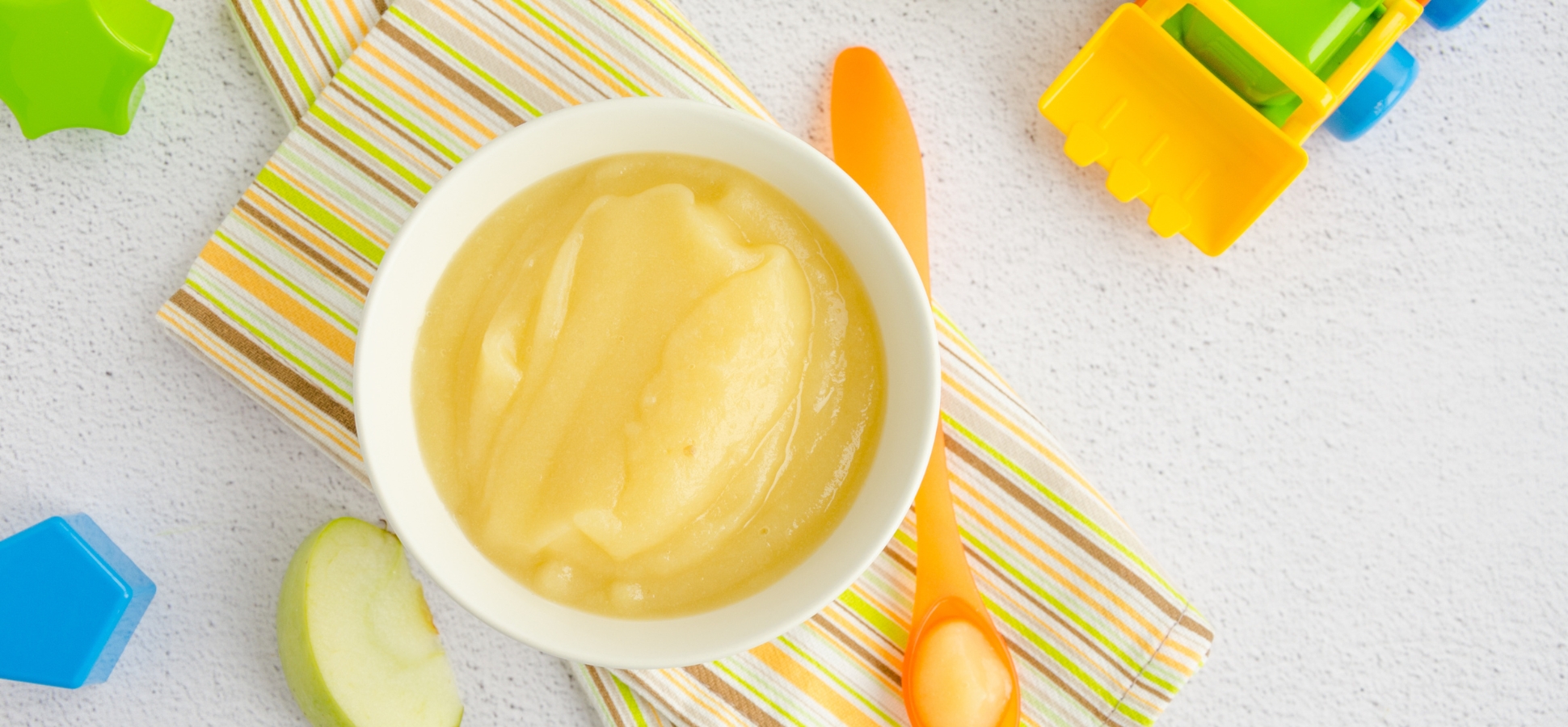
When it comes to healthy baby food recipes, this mash is a classic favourite. This recipe is a simple mash of sweet potatoes and apples, perfect for baby food. Sweet potatoes help with good eyesight, and apples help with digestion. Together, they make a delightful and nutritious mash.
Ingredients:
- 1 medium sweet potato (peeled and cubed)
- 1 apple (peeled, cored, and diced)
- Water, formula, or breast milk (for blending)
Instructions:
- Chop the sweet potato and apple into small cubes.
- Either steam or boil both for about 10-15 minutes until both become tender.
- Place the tender apple and sweet potato pieces into a blender or food processor.
- Add a splash of water, formula, or breast milk and then blend to get a smooth a creamy texture.
- Let it cool for a While before serving.
This tasty, comforting mash is primarily recommended as the first food for babies.
Recipe 2: Carrot & Pea Puree
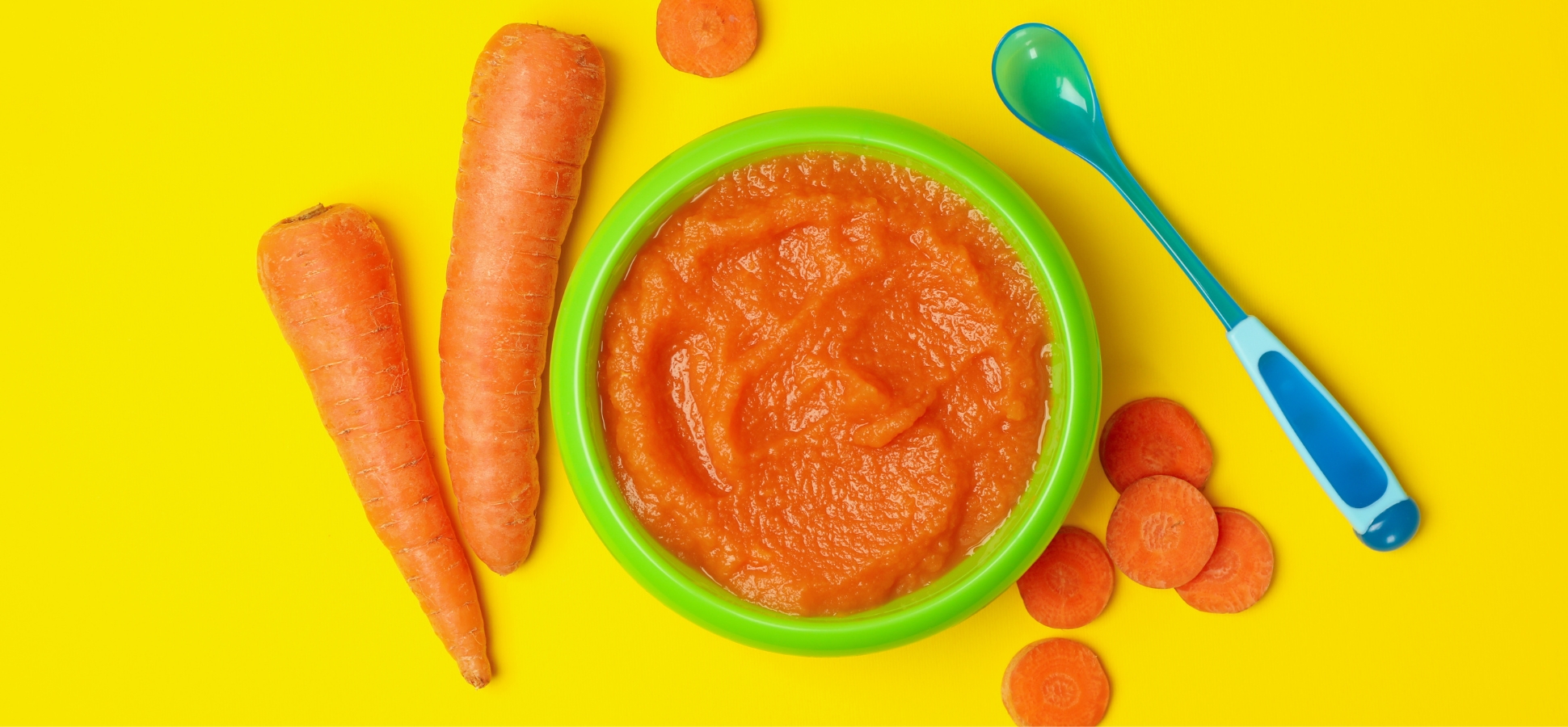
Peas and carrots not only add rich colour but also a hearty helping of nutrition to your baby’s meal. While carrots are rich in vitamin A, peas also provide abundant protein, fibre, and many essential vitamins. The sweet taste of carrots paired well with the earthy taste of peas makes for a well-rounded puree that packs in many nutrients.
Ingredients:
- 1 medium carrot (peeled and sliced)
- ½ cup peas (fresh or frozen)
- Warm water, formula, or breast milk (for blending)
Instructions:
- Peel and slice the carrot into small rounds.
- Steam the carrot slices and peas until tender (about 8 – 10 minutes).
- Transfer the mixture to a blender or food processor.
- Pour in a small amount of warm water, formula, or breast milk.
- Blend the mixture until smooth, adding in more liquid to reach the desired consistency.
- Allow the mixture to cool slightly and then serve.
The puree makes it easier to introduce your baby to new, distinct, and savoury flavours while providing a smooth and gentle texture.
Recipe 3: Banana & Avocado Cream
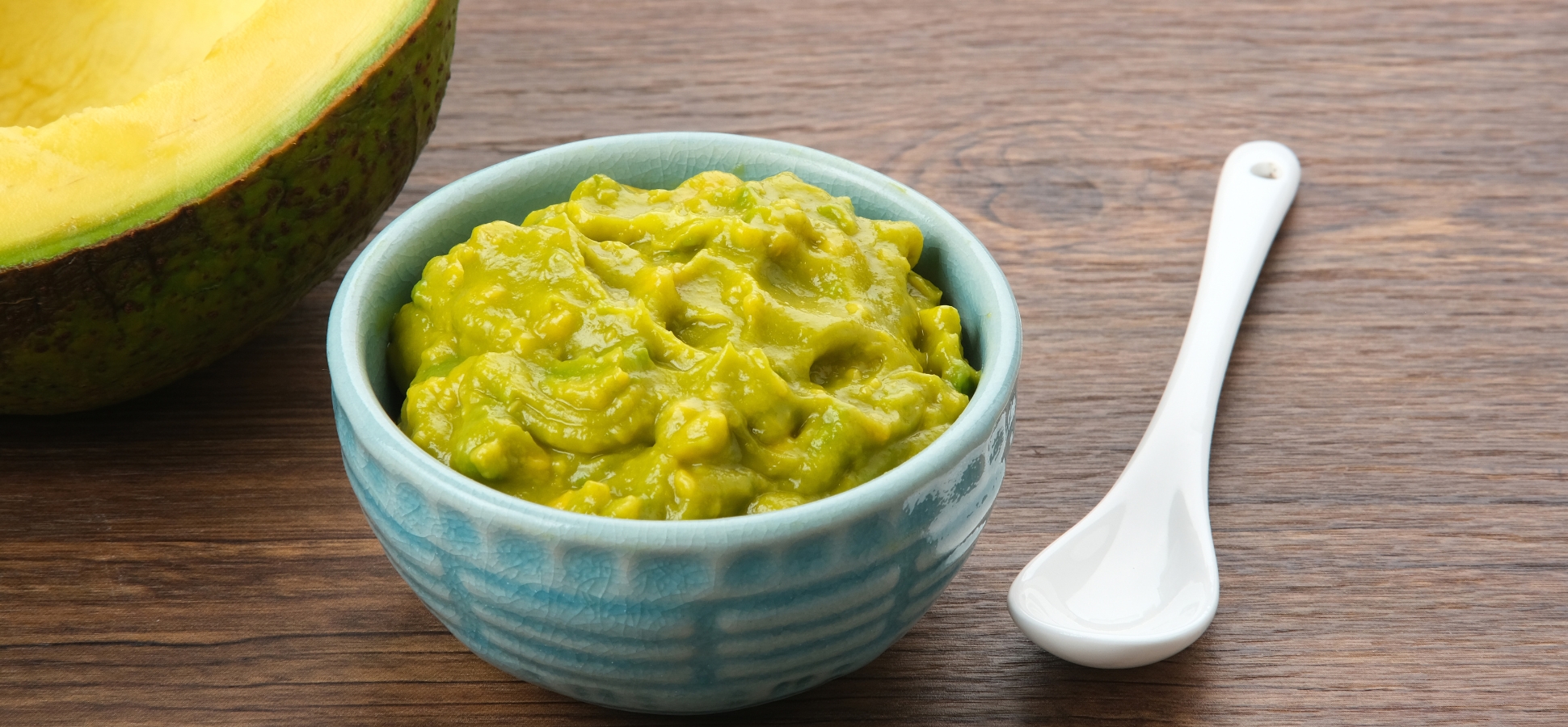
Easy-to-prepare baby food dishes can be delicious, like this creamy blend made from a few simple ingredients. Bananas offer quick energy along with potassium, and avocados offer healthy fats that support brain development. The two ingredients blend with no cooking required to make a naturally smooth mash.
Ingredients:
- 1 ripe banana
- ½ ripe avocado
Instructions:
- Peel the banana and half an avocado.
- Using a bowl, mash the two ingredients together until creamy and smooth.
- For younger babies, blend the food to achieve a smoother consistency.
- Serve immediately.
Baby food does not have to be complex; this recipe highlights it perfectly. It can be made with only two ingredients and is nutritious, delicious, and filling.
Recipe 4: Bone Marrow & Vegetable Puree
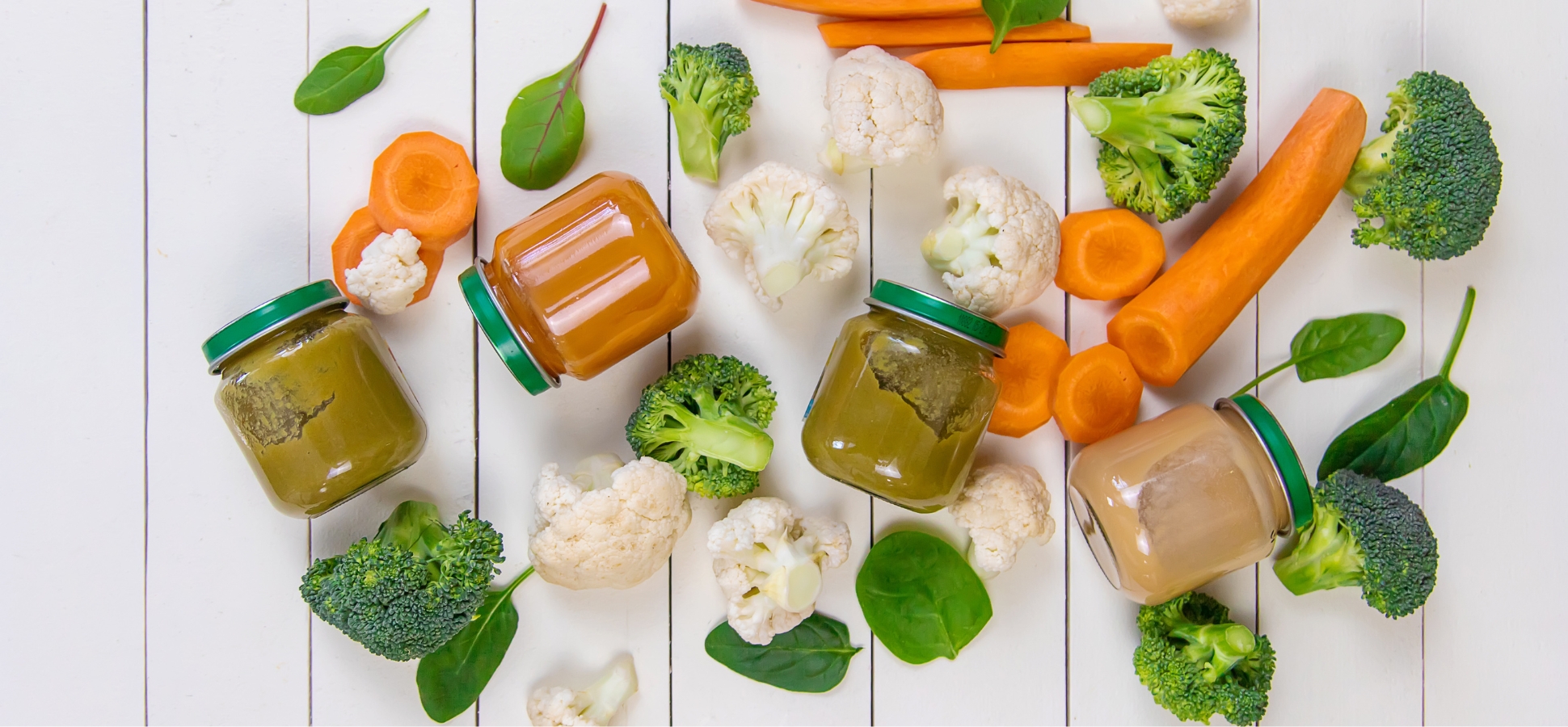
For parents who want to provide more nutrient-rich foods, bone marrow is an excellent option. It is loaded with healthy fats, collagen, calcium, and phosphorus, which encourage growth and development. When combined with veggies, it becomes a powerful nutrient puree that is tasty and easy to eat.
Ingredients:
- 2 beef or lamb marrow bones
- ½ cup vegetables (carrots, peas, or sweet potato work well)
- Warm water, unsalted broth, or breast milk (for blending)
Instructions:
- Preheat oven to 400°F (200°C).
- Roast marrow bones on a baking sheet for 15-20 mins until softened and starting to melt.
- Scoop out the marrow and set aside.
- Steam your chosen vegetables until tender.
- Add marrow and vegetables to a blender or food processor.
- Blend until smooth, adding the warm water/broth/breast milk to thin as needed.
- Allow cooling slightly before serving.
This puree provides babies with a gentle introduction to more complex tastes, while benefiting greatly in nutrition.
Recipe 5: Zucchini & Apple Blend
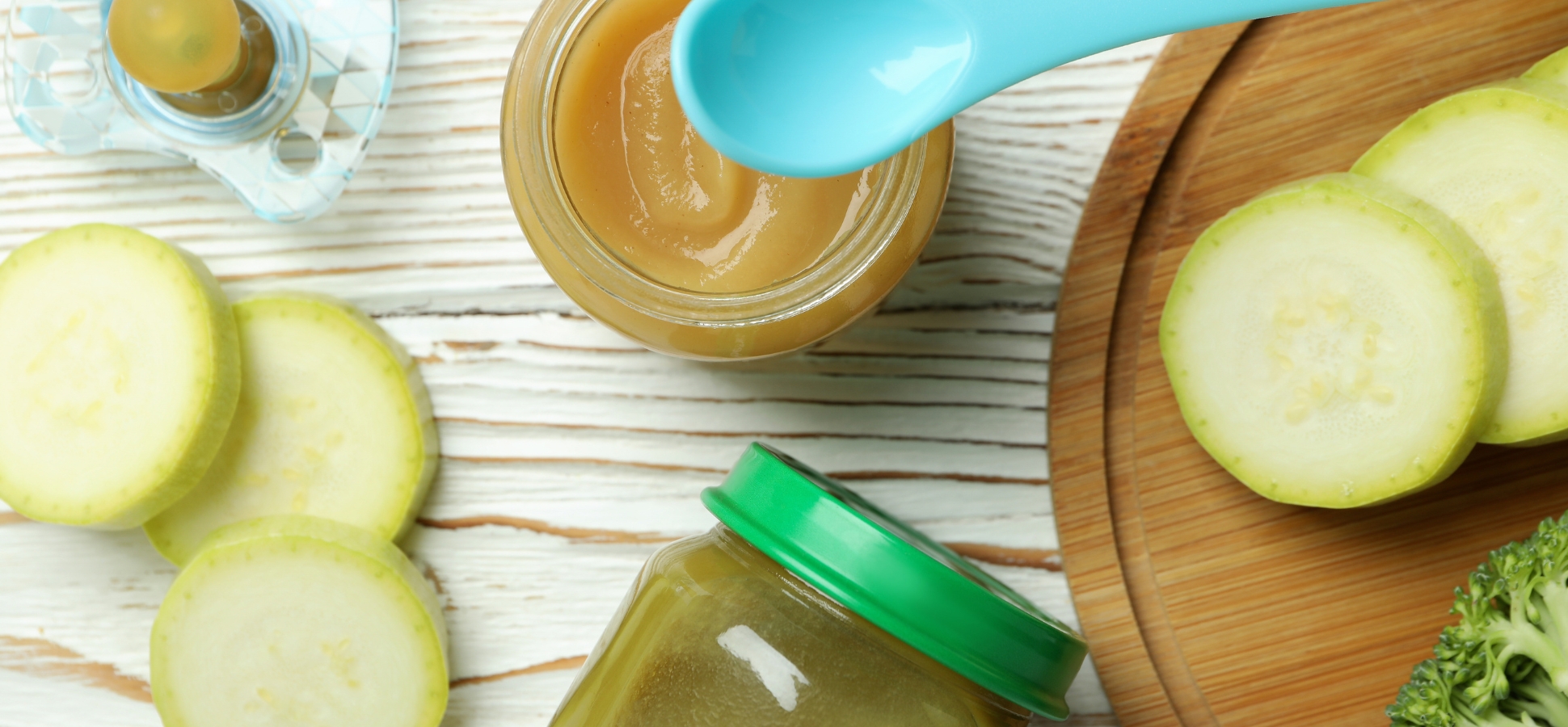
One of the first vegetables to introduce to babies is Zucchini, as it is easy to digest. It is a very mild and gentle puree, and, when combined with apples, it becomes a sweet and fibrous mix. Furthermore, it is refreshing while being gentle on a child’s belly. Zucchini is light and hydrating with a good number of vitamins, which keeps it a nutrition-dense option.
Ingredients:
- 1 small zucchini (chopped)
- 1 apple (peeled, cored, and sliced)
- Splash of warm water, formula, or breast milk (optional, for blending)
Instructions:
- Chop the zucchini and apple, making sure to peel and slice them first.
- Steam the apple and zucchini together for 8 to 10 minutes, or until both are tender.
- Place the steamed mixture into a food processor until smooth.
- Add warm water, formula, or breast milk for a thinner consistency, and blend.
- Let the puree cool for a bit before serving.
Zucchini apple puree is ideal for babies who are newly starting solids. It introduces and eases them into the new food.
Recipe 6: Blueberry & Banana Blend
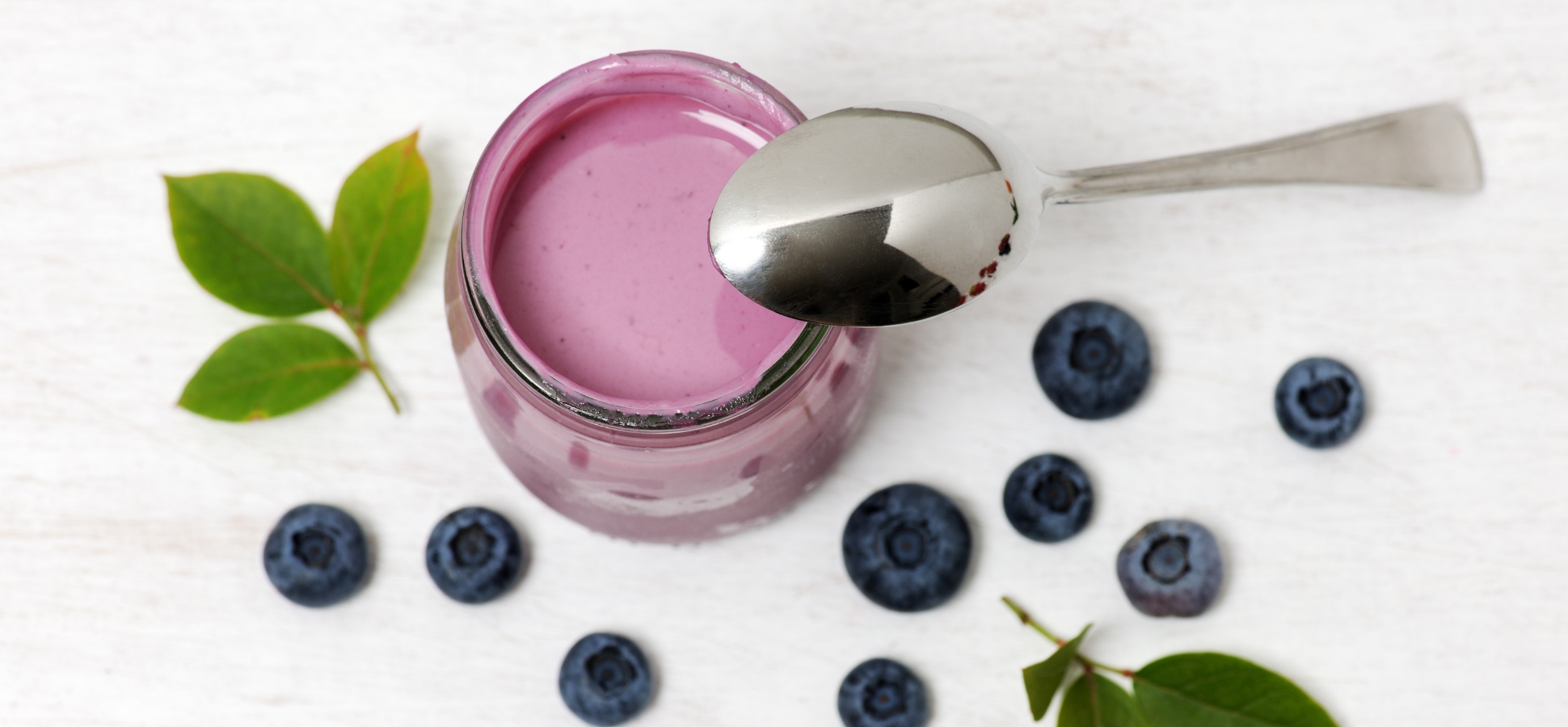
As your child becomes familiar with new flavours, this colourful puree is a nutritious option. The creamy texture of blueberries comes from the potassium-rich bananas, which, along with the blueberries, aid brain development with their antioxidants. Blueberries also provide a vibrant, eye-catching blend.
Ingredients:
- 1 ripe banana
- ½ cup blueberries (fresh or frozen)
Instructions:
- If using frozen blueberries, be sure to steam them for a few minutes first.
- In a separate bowl, peel the banana and mash it.
- Combine the two and blend until the mixture is smooth.
- Pour into a bowl and serve at a warm temperature, cooled, or at room temperature.
This puree benefits your child’s diet by providing nutrition and sweetness.
Recipe 7: Chicken and Rice Puree
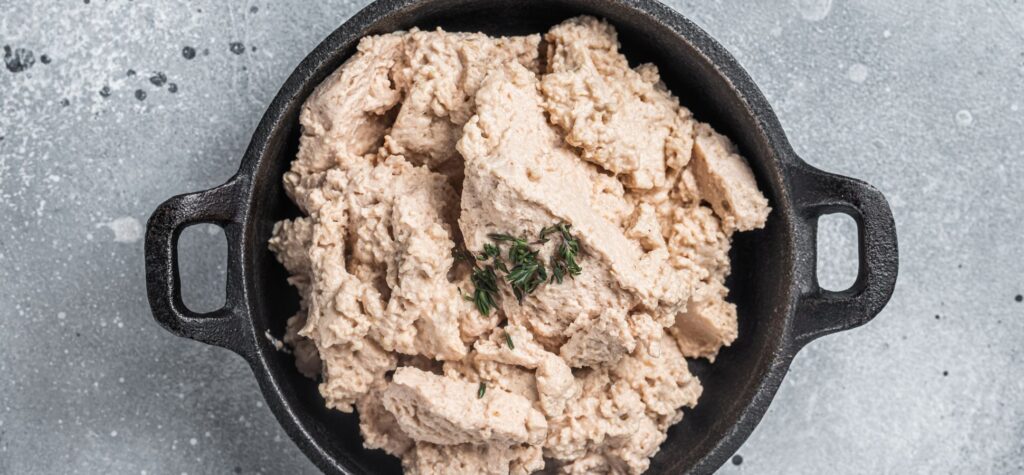
By the time babies reach 8 months old, muscle-protein starts to become crucial in the context of muscle energy and protein use. One of the best introductions to a baby’s diet is chicken because it’s easy to digest, full of nutrients, and lean. Chicken and rice create a puree that is gently savoured and filling, and it is hearty for a baby’s diet.
Ingredients:
- ½ chicken breast (boneless, skinless)
- 2 tbsp rice (white or brown)
- Warm water, unsalted broth, or breast milk (for blending)
Instructions:
- Scrub the rice and boil it alongside the chicken in water for about 20-25 minutes.
- Shred chicken into small pieces and add it back to the pot.
- Blend or process the chicken and rice in a food processor.
- Add a splash of warm water, breast milk, or unsalted broth.
- Blend until smooth and creamy.
- Serve warm or at room temperature.
Starting to use this puree is a convenient way to prepare warm or comforting meat that is gently nourishing and helps gently incorporate meat into a baby’s homemade meals.
Tips for Making and Storing Homemade Baby Food
Your journey doesn’t end after preparing homemade baby food; proper storing makes sure your baby enjoys delicious and nutritious meals every single time. Following a few simple methods can greatly aid in preserving the food’s quality and save time in the long run.
Portioning and Freezing in Small Batches
With single servings, your work is a whole lot easier. Instead of storing large portions, divide purees into small servings. Individual servings can be easily frozen using ice cube trays or silicone baby food moulds. This method makes feeding your baby stress-free on hectic days and helps reduce waste.
Shelf Life for Fridge and Freezer Storage
Refrigerated homemade baby food should be consumed within 48 to 72 hours, while frozen food is best consumed within three months. Unlike store-bought products, homemade baby food does not contain preservatives, which greatly helps in maintaining freshness; however, food should still be labelled with the date of preparation to avoid using expired food. Always rotate older portions first to ensure freshness.
Best Containers for Baby Food
The container that you select is very important. The safest options are silicone pouches and freezer-safe trays. These allow for mess-free portioning, and BPA-free, airtight containers or glass jars with secure lids are also appropriate. Avoid single-use containers, as they are not designed for multiple uses and pose a risk for food safety.
Reheating and Serving Safely
When reheating frozen baby food, thaw it in the refrigerator overnight or use a warm water bath. Avoid microwaving directly, as it can create hot spots that may burn your baby’s mouth. Always stir thoroughly after warming and test the temperature before serving.
Transitioning to Textures and Finger Foods

Your baby’s growing, both physically and developmentally, means their nutrition will need to change, too. Progressing from puree to thicker foods is an essential developmental milestone that promotes chewing, hand-eye coordination, and confidence in self-feeding.
When and How to Introduce Lumpy Textures
By 8 to 10 months, many babies are ready to move on from thick, smooth purees. You can begin to thicken foods by mashing instead of blending, or by retaining soft chunks in the puree. Mashed bananas and avocados can be the starting point. Progress to fork-mashed veggies and finely shredded meats. These steps ensure babies can learn to chew safely.
Homemade Baby Food Recipes That Transform to Finger Foods
Permitted recipes that suit your infant’s age can be adapted to make gentle, steamed carrot sticks that are easy for tiny hands to grasp. Sweet potatoes can be mashed and formed into small patties. Oatmeal can be shaped into bite-sized oat fingers. These gradual transitions enable your infant to recognise new textures of the familiar flavours they love.
Fostering Self-Feeding for Independence
Introducing finger foods goes beyond providing nutrition—it promotes independence. Give easy-to-grasp and soft foods such as small pieces of ripe pear, avocado slices, or scrambled eggs.
Conclusion
Preparing infant and toddler food from scratch is an essential step in taking care of your infant and is very simple. You know how crucial every bite is, and shaping your baby’s food to fit their every developmental stage is both an art and a science. There is a nurturing creaminess to first purees and power-packed iron blends, blends, finger foods, and more. These recipes make sure that your baby develops a deep-seated love for good, healthy food, which will stay for a lifetime.
As your baby starts exploring new tastes and textures, the journey will be full of fun, discovery, and a bit of mess. Following the proper procedures to incorporate the right texture changes along with methodical preparation and storage will give ease and confidence to care for your child with healthy meals prepared from your very own kitchen.
Every bite is a journey towards self-sufficiency, growth, and cherished moments with family gathered around the table, if all meals are made special.