
The streaming industry in 2025 is no longer the disruptor—it has become the standard. With traditional cable TV fading into irrelevance and streaming services consolidating their power, the fight for audience attention has never been more intense. While viewers now enjoy unprecedented access to content, they are also navigating rising costs, fewer choices, and the return of advertising. Let’s explore the forces reshaping the entertainment landscape.
Netflix’s Unyielding Dominance
Netflix’s 2025 success story is one for the history books. The platform’s ability to rebound from its challenges in 2022 demonstrates a masterclass in adaptation. By refocusing on quality content and embracing global storytelling, Netflix has captured a staggering 76.1 million U.S. subscribers.
Its dominance has also triggered a major shift in the industry. Traditional media companies, once determined to pull their content from streaming, are now licensing it back to Netflix. This reversal underscores the platform’s unparalleled reach and the challenges competitors face in replicating its scale.
The Shrinking Pool of Competitor
The streaming wars have entered a new phase, where survival requires scale, content depth, and innovation. Consolidation is the name of the game. Analysts predict that at least one second-tier streaming service—Max, Paramount+, or Peacock—will likely be absorbed into a larger entity or cease to exist. This trend mirrors the cable TV era, where a few dominant players controlled the market.
While consolidation simplifies choices for consumers, it also narrows competition. With fewer independent platforms, viewers may face higher subscription costs and less diverse offerings. This shift poses the question: Will the new landscape serve viewers, or will it limit their options in the long run?
Streaming Bundles: Convenience or a Return to Cable?
In response to consumer fatigue over managing multiple subscriptions, streaming bundles are emerging as a solution. Internet providers like Comcast and Charter are leading the charge, partnering with platforms like Netflix, Apple TV+, Disney+, and Max to offer integrated packages.
These bundles aim to bring simplicity and savings, but they also signal a move back toward an all-in-one model reminiscent of cable TV. The difference? Instead of flipping through channels, viewers now toggle between apps. While bundles may seem like a win for consumers, critics argue they reduce transparency, making it harder to assess the true value of each service.
The Role of Free Ad-Supported Streaming TV (FAST)

As subscription prices soar, many viewers are turning to Free Ad-Supported Streaming TV (FAST) services like Tubi and Pluto TV. These platforms offer a cost-effective way to access a variety of content, funded entirely by advertising. With FAST services projected to generate $6 billion in U.S. advertising revenue by 2025, their popularity is reshaping the industry.
For viewers, the appeal lies in the balance between affordability and content availability. While ads interrupt the experience, many see it as a small price to pay compared to the rising costs of traditional subscriptions. FAST’s growth highlights a significant shift in consumer behavior, prioritizing budget-friendly options over premium, ad-free experiences.
AI Personalization: Streaming’s Competitive Edge
Artificial intelligence is becoming the secret weapon of streaming platforms. AI-driven algorithms now do more than suggest what to watch—they create deeply personalized experiences. Platforms analyze viewing habits to curate playlists, offer mood-based suggestions, and even predict trends in content preferences.
For example, AI might recommend a comedy to lighten your mood on a stressful day or queue up a gripping series based on your binge-watching history. While this innovation enhances convenience, it also raises questions about privacy and the ethical use of user data. As AI evolves, the challenge will be balancing personalization with transparency and consumer trust.
Rising Costs and the Return of Ads
One of the most noticeable changes in 2025 is the sharp increase in subscription costs. Platforms are investing heavily in original content, global expansion, and new technologies, passing these costs on to consumers. To offset this, many services are introducing ad-supported tiers, offering lower prices in exchange for advertisements.
This trend marks a significant shift from the early days of streaming, where ad-free experiences were a key selling point. While some viewers embrace the affordability of ad-supported plans, others feel it undermines the premium nature of streaming. The return of ads is a stark reminder that the industry is still searching for the perfect balance between profitability and user satisfaction.
Global Content Goes Mainstream
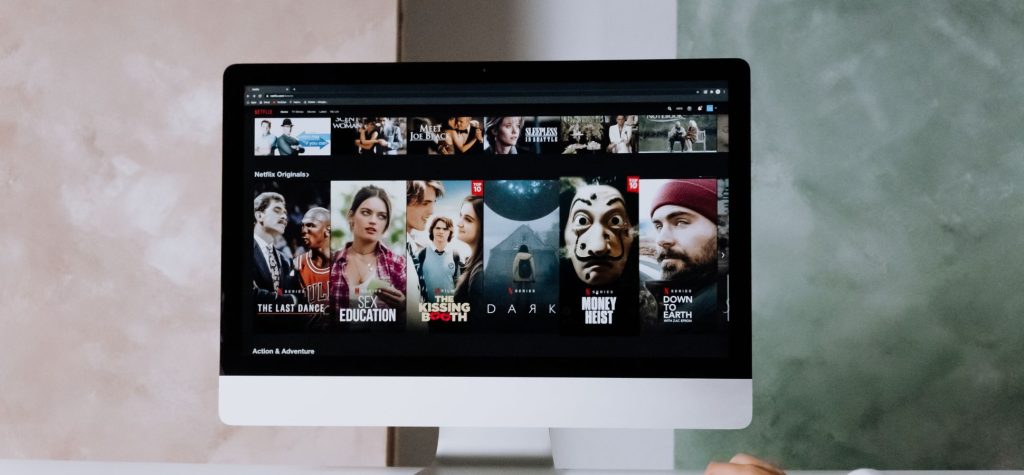
Streaming’s global reach is bringing diverse storytelling to the forefront. Korean dramas, Bollywood blockbusters, and Spanish thrillers are no longer niche—they’re mainstream. Platforms are investing in international productions to attract global audiences, leading to a richer, more inclusive content library.
Netflix’s success with shows like Squid Game and Money Heist has inspired competitors to follow suit, prioritizing localized content with universal appeal. This trend not only broadens the cultural landscape of streaming but also creates new opportunities for international creators to showcase their work.
What Lies Ahead for Viewers?
The streaming revolution of 2025 offers both promise and uncertainty. On one hand, viewers can look forward to richer content libraries, smarter personalization, and cost-saving bundles. On the other hand, rising costs, fewer independent platforms, and the reintroduction of ads may dilute the value of streaming as we know it.
The next chapter of entertainment will depend on how platforms navigate these challenges and adapt to consumer demands. Will streaming remain the ultimate entertainment solution, or will it evolve into something unrecognizable from its origins? Only time—and viewers—will tell.