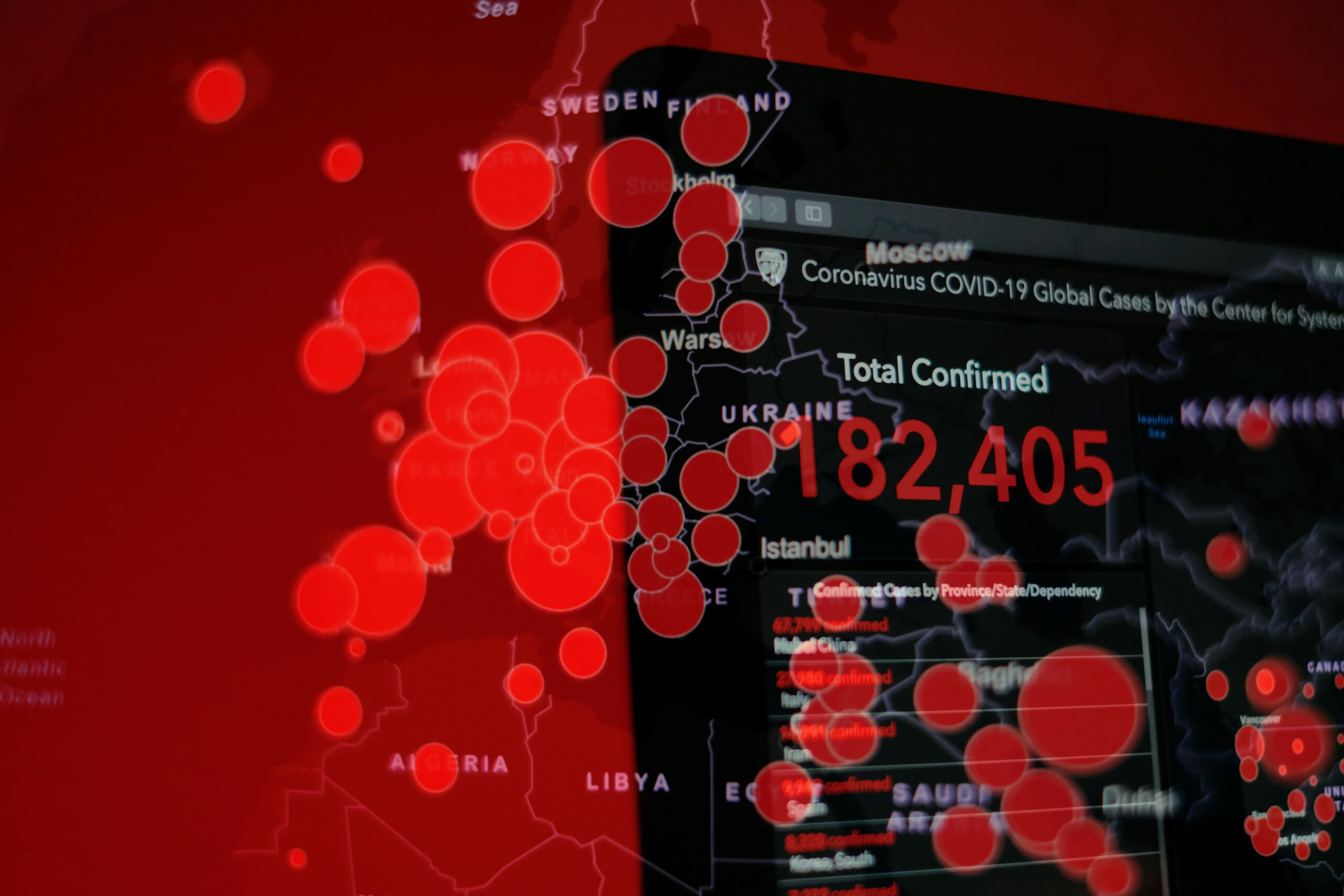
It is one of the most chilling headlines in modern healthcare: a hospital forced to turn away ambulances and cancel surgeries because its systems have been locked by criminals demanding a digital ransom.
In early 2024, the attack on Change Healthcare—the clearinghouse that processes a significant share of U.S. medical transactions—crippled hospitals and clinics nationwide, proving that ransomware is no longer a nuisance but a national security threat.
Key Points:
- Ransomware attacks on U.S. hospitals are increasing at an alarming rate.
- They disrupt patient care, delay life-saving treatments, and threaten safety.
- Costs go beyond ransoms: downtime, lawsuits, reputational damage, and community health risks.
- The problem is national in scale, and solutions must combine hospital resilience, government policy, and patient awareness.
Why This Matters to Patients and Communities
When banks or retailers face cyberattacks, the consequences usually come down to money and inconvenience. But when ransomware strikes a hospital, lives are on the line.
Ambulances are diverted to other facilities, surgeries are canceled mid-prep, and critical lab or imaging results are delayed.
The American Hospital Association has warned that ransomware is “not just a data problem but a patient safety crisis,” a sentiment echoed in studies showing measurable increases in mortality during hospital outages.
For local communities, especially those served by a single rural hospital, a ransomware incident can feel like a blackout.
If systems are offline for days or weeks, patients with chronic conditions may miss treatment, mothers-to-be may face delays in labor care, and emergency response may falter.
In short, ransomware in healthcare is not an abstract IT issue—it is a direct public health threat.
Quick Snapshot of What Happens When Systems Go Offline
- Emergency department overload as ambulances are diverted.
- Surgery delays leading to postponed or canceled procedures.
- Patient record inaccessibility forcing risky guesswork.
- Medication and treatment disruptions due to pharmacy and lab downtime.
What Ransomware Is and How Attackers Target Hospitals
At its core, ransomware is malicious software designed to encrypt files and systems until a ransom is paid.
Modern attackers go further, using “double extortion” schemes: they not only lock systems but also steal sensitive data, threatening to publish patient records if the ransom is refused.
Increasingly, attackers operate under Ransomware-as-a-Service (RaaS), where affiliates rent out malicious code from organized cybercrime groups.
Why Hospitals Are Prime Targets:
- Phishing emails trick staff into clicking links or downloading infected files.
- Compromised remote access points (like VPNs and vendor portals) open the door to attackers.
- Unpatched systems and outdated software create vulnerabilities.
- Third-party risks—such as the Change Healthcare breach—spread ransomware impacts across hundreds of hospitals at once.
How a Hospital Ransomware Attack Unfolds (Simplified Timeline):
- Initial Access: Attacker breaches the network via phishing or stolen credentials.
- Lateral Movement: They spread quietly across hospital systems.
- Privilege Escalation: Administrative rights allow access to critical servers.
- Data Exfiltration and Encryption: Patient records are stolen, then systems are locked.
- Ransom Demand: Attackers contact the hospital, often threatening to publish data if unpaid.
This timeline can unfold in days or even hours, leaving hospitals with little time to react.
Recent trends and data in US hospitals
The scale of ransomware in healthcare has shifted dramatically in the past decade. According to a JAMA Network Open study analyzing Department of Health and Human Services data, hacking and IT incidents now account for over 80% of all healthcare data breaches, a massive jump from just 21% in 2010.
The median number of individuals affected per breach has also surged, meaning each attack is impacting far more patients than before.
In 2024 alone, ransomware attacks on hospitals disrupted patient care at a national level. Microsoft reports that healthcare is one of the top three industries most targeted by ransomware, with average downtime costs in the millions and recovery times stretching weeks.
Key Statistics to Note:
- 81% of healthcare data breaches in recent years are now attributed to hacking or IT incidents.
- Millions of patients were affected in the Change Healthcare breach, the largest in U.S. history.
- Downtime costs often exceed $1 million per incident, excluding ransom payments.
- Hospitals report recovery periods lasting weeks to months, especially in rural facilities with fewer IT resources.
Real Cases and Human Impact
Numbers and statistics capture the scale of ransomware, but the human cost is what makes this threat so devastating. Across the U.S., patients and staff have already lived through the consequences of cybercriminals holding hospitals hostage.
Case Study 1 – Change Healthcare, 2024
In early 2024, Change Healthcare, a subsidiary of UnitedHealth Group, was hit by ransomware, disrupting payment processing for thousands of hospitals and clinics.
Physicians reported weeks of delays in billing and prescription refills, and the outage forced some providers to suspend services temporarily. This incident revealed the fragility of healthcare’s digital supply chain—a single breach cascaded across the nation’s care infrastructure.
Case Study 2 – Emergency Departments Under Siege
In several documented incidents, ransomware attacks forced hospitals to divert ambulances and delay emergency care. An IBM report highlighted cases where heart attack and stroke patients had to travel longer distances, leading to worse outcomes.
In some scenarios, researchers tied ransomware-driven outages to increased mortality rates.
Case Study 3 – Rural Hospital Financial Collapse
Smaller facilities are particularly vulnerable. With limited IT staff and older systems, rural hospitals often struggle to recover. In some cases, the financial strain of paying ransoms, losing revenue during downtime, and facing lawsuits has pushed facilities to the brink of closure. Patients in those communities are left with no local access to care, a blow that can last far longer than the ransomware attack itself.
These cases illustrate that ransomware is not just an IT problem—it is an attack on the lives and stability of entire communities.
What Exactly Breaks When Hospital Infrastructure Goes Down
Hospitals run on interconnected digital systems. When ransomware strikes, the domino effect is swift and severe.
| System Affected | Real-World Consequences |
| Electronic Health Records (EHRs) | Clinicians lose access to patient histories, allergies, and charts; forced into risky guesswork. |
| Lab and Imaging Systems (PACS, LIS) | Test results delayed or lost; diagnostic delays for critical conditions. |
| Pharmacy Systems | Medication dispensing is disrupted; increased risk of dosage errors. |
| Scheduling and Billing | Appointments canceled, revenue streams halted, insurance claims delayed. |
| Medical Device Networks | Connected devices like infusion pumps or heart monitors may fail to communicate, threatening patient safety. |
| Communication Platforms | Internal paging, secure messaging, and even phone systems can go down, isolating care teams. |
The cascading effect doesn’t stop at the affected facility. Neighboring hospitals often see surges in emergency volumes when patients are redirected, overwhelming their own resources.
Studies confirm that regional care systems can experience ripple effects for weeks after a single ransomware attack.
Legal, Regulatory, and Financial Fallout
A ransomware attack doesn’t end when the systems are restored. Hospitals face a long trail of legal, regulatory, and financial challenges that can last years.
- HIPAA and Breach Reporting Obligations: If Protected Health Information (PHI) is exposed, hospitals must notify patients and report to the Department of Health and Human Services’ Office for Civil Rights (OCR). JAMA research shows a consistent rise in reported breaches to OCR, underscoring how ransomware dominates the regulatory landscape.
- Financial Costs: These extend beyond ransom payments. Hospitals face lost revenue from downtime, IT forensics expenses, public relations efforts, legal settlements, and regulatory fines. Microsoft estimates downtime alone costs hospitals millions per incident, not counting ransom demands.
- Reputational Damage: Trust is central in healthcare. Patients may hesitate to seek care at facilities known for past breaches, fearing their personal data is at risk.
- Litigation Risk: Patients whose data is leaked often file lawsuits, adding another financial burden. For smaller hospitals, these cumulative pressures can be existential.
In many cases, leadership is forced to weigh the impossible choice: pay criminals to regain access quickly, or risk prolonged outages and patient harm. The decision carries legal implications, as paying ransom may violate sanctions depending on the attacker’s affiliations.
How Hospitals Can Prepare and Build Resilience Now

Preventing ransomware is no longer optional for healthcare providers. Hospitals need layered defenses and tested response plans that balance technology, leadership, and clinical workflows.
Executive-Level Checklist (for Boards and CEOs)
- Conduct annual cyber risk assessments tied to patient safety.
- Allocate a specific budget for IT security, not just general IT operations.
- Ensure cyber insurance policies cover ransomware incidents.
- Run tabletop exercises simulating ransomware to test response and communication.
- Review contracts with third-party vendors to ensure compliance and contingency plans.
Technical-Level Checklist (for IT and Security Teams)
- Enforce multi-factor authentication across systems.
- Segment networks to prevent lateral spread.
- Maintain offline, tested backups and regular restore drills.
- Deploy endpoint detection and response (EDR) tools with continuous monitoring.
- Patch critical vulnerabilities promptly and disable unused remote access points.
Clinical Continuity Checklist (for Frontline Staff)
- Train on “Code Dark” procedures for manual charting.
- Ensure paper backups of key patient forms and treatment protocols.
- Establish escalation protocols for critical patients during outages.
- Create printed emergency contact trees for staff communication.
Seven-Step Incident Response Playbook
- Detect the incident
- Isolate affected systems
- Notify leadership and activate incident command
- Communicate clearly with staff and patients
- Restore systems using backups
- Validate recovery and monitor for reinfection
- Report to regulators and conduct a post-incident review
Roadmap for IT leaders and CISOs
Healthcare IT leaders must balance immediate needs with long-term resilience. In the short term, the focus should be on the essentials: rolling out multi-factor authentication, patching critical vulnerabilities, and testing incident response plans through simulated exercises.
Within the first year, organizations should aim to strengthen their defenses with network segmentation, routine backup testing, enhanced vendor risk management, and stronger SOC capabilities. Over the longer horizon, leaders should adopt advanced analytics and AI-driven detection tools, set measurable recovery time objectives (RTOs) and recovery point objectives (RPOs), and integrate cybersecurity goals directly into patient safety metrics.
This progression ensures hospitals are not just reacting to threats but building a sustainable posture of resilience.
Policy and Industry Actions Needed
Hospitals cannot shoulder this burden alone. Policymakers and industry stakeholders have a critical role in bolstering healthcare against ransomware.
The U.S. government has begun classifying healthcare as critical infrastructure, but experts argue that more direct investment and regulatory support are necessary, particularly for rural hospitals that often lack resources. Mandatory reporting standards could also improve national preparedness, enabling real-time sharing of data and early-warning alerts.
Beyond regulations, public-private partnerships can provide hospitals with access to threat intelligence hubs that deliver actionable insights.
Since ransomware groups often operate across borders, international cooperation among law enforcement agencies remains essential for dismantling the networks behind these attacks.
What Patients and Families Should Know and Do
Patients may feel powerless during a ransomware attack, but there are concrete steps they can take to protect themselves.
If a hospital announces a breach, patients should carefully review any notifications and follow instructions, particularly those offering identity protection or credit monitoring services. Monitoring for unusual activity on bank accounts or health insurance claims can help catch fraud early.
If services at a primary hospital are disrupted, it is advisable to call ahead before appointments or seek care at nearby facilities.
Importantly, HIPAA regulations require healthcare organizations to inform patients if their personal health information has been compromised, so staying alert to official communications is key.
Frequently Asked Questions
The following are the answers to the frequently asked questions:
Can Ransomware Shut Down a Hospital?
Yes. When ransomware locks electronic health records, imaging, labs, and connected devices, hospitals often divert ambulances and delay care, with documented patient harm.
Do Hospitals Pay Ransoms?
Some do. Surveys show a significant number of hospitals admit to ransom payments, often in the millions, though payment decisions vary and may carry legal risks.
How Long Does Recovery Take After a Ransomware Attack?
Recovery can range from a few days in well-prepared hospitals to months in smaller facilities without robust backups.
Are My Medical Records Safe?
Not always. Stolen records may be sold on the dark web. Patients should use credit monitoring and follow breach notification guidance.
What is Code Dark?
Code Dark is a hospital protocol for operating without electronic systems, using paper charting and manual communication to continue care.
Why Cyber Resilience is Now a Patient Safety Issue
Ransomware attacks on U.S. hospitals represent one of the gravest cybersecurity threats of our time. They are not just digital crimes but assaults on patient safety, public trust, and national resilience.
From diverted ambulances to financial collapse, the ripple effects are far-reaching and long-lasting.
Hospitals can reduce their risks with stronger defenses, continuity planning, and leadership engagement. Policymakers and industry must bolster the weakest links, while patients must stay informed and vigilant.
For healthcare leaders, the time to act is now: download a ransomware incident checklist, run a tabletop drill before the next quarter ends, and treat cyber resilience as a patient safety priority—not just an IT concern.
That’s all,
Regards.