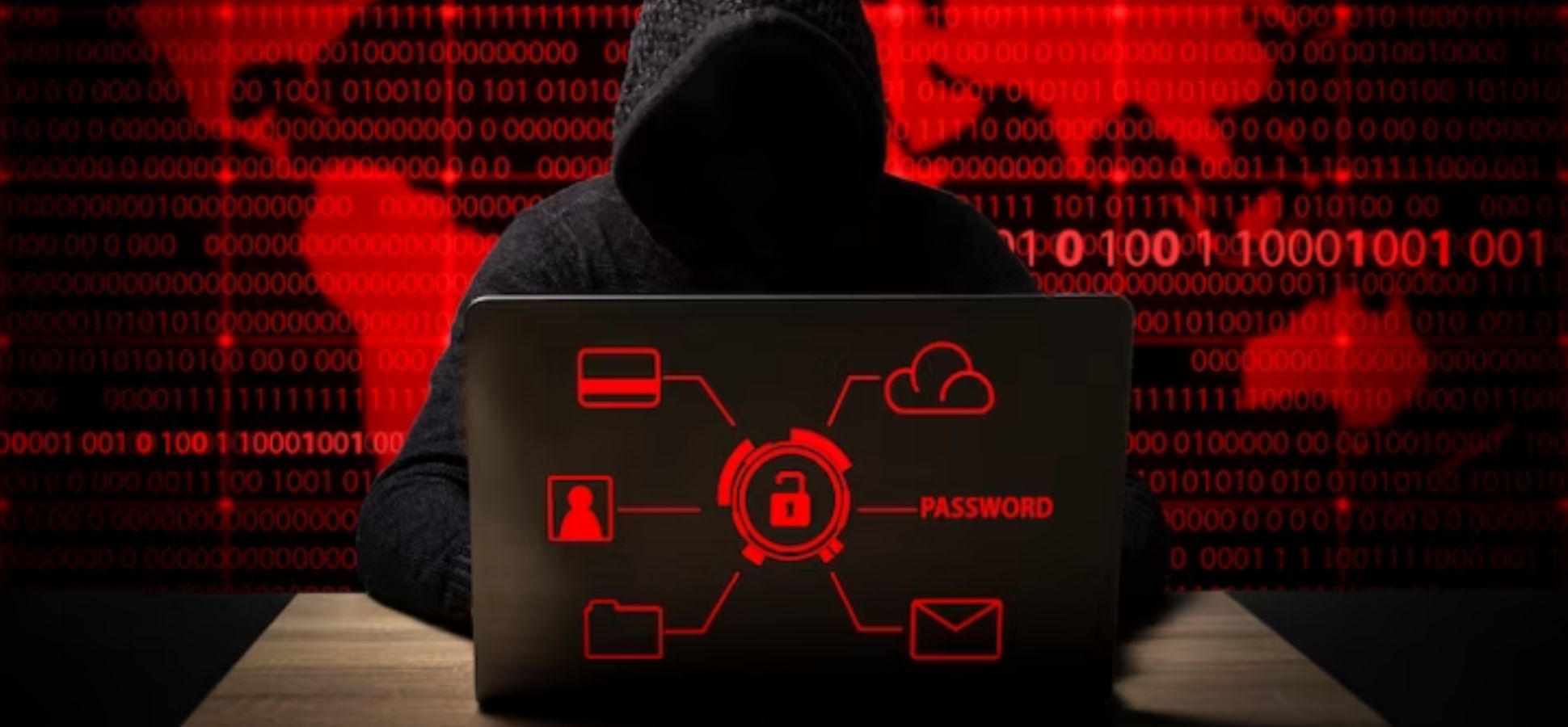
Imagine your business is a castle, and your valuable information is the treasure within. Just as a castle must have strong walls and defenses to protect against intruders, your business must have effective security measures in place to safeguard against the risks of security breaches.
The threat of cyberattacks is a very real danger in today’s digital world, and the consequences of a breach can be devastating. In this article, we will discuss the best practices for protecting your business against the risks of security breaches, so that you can keep your treasure safe and secure.
Common Types of Security Breaches
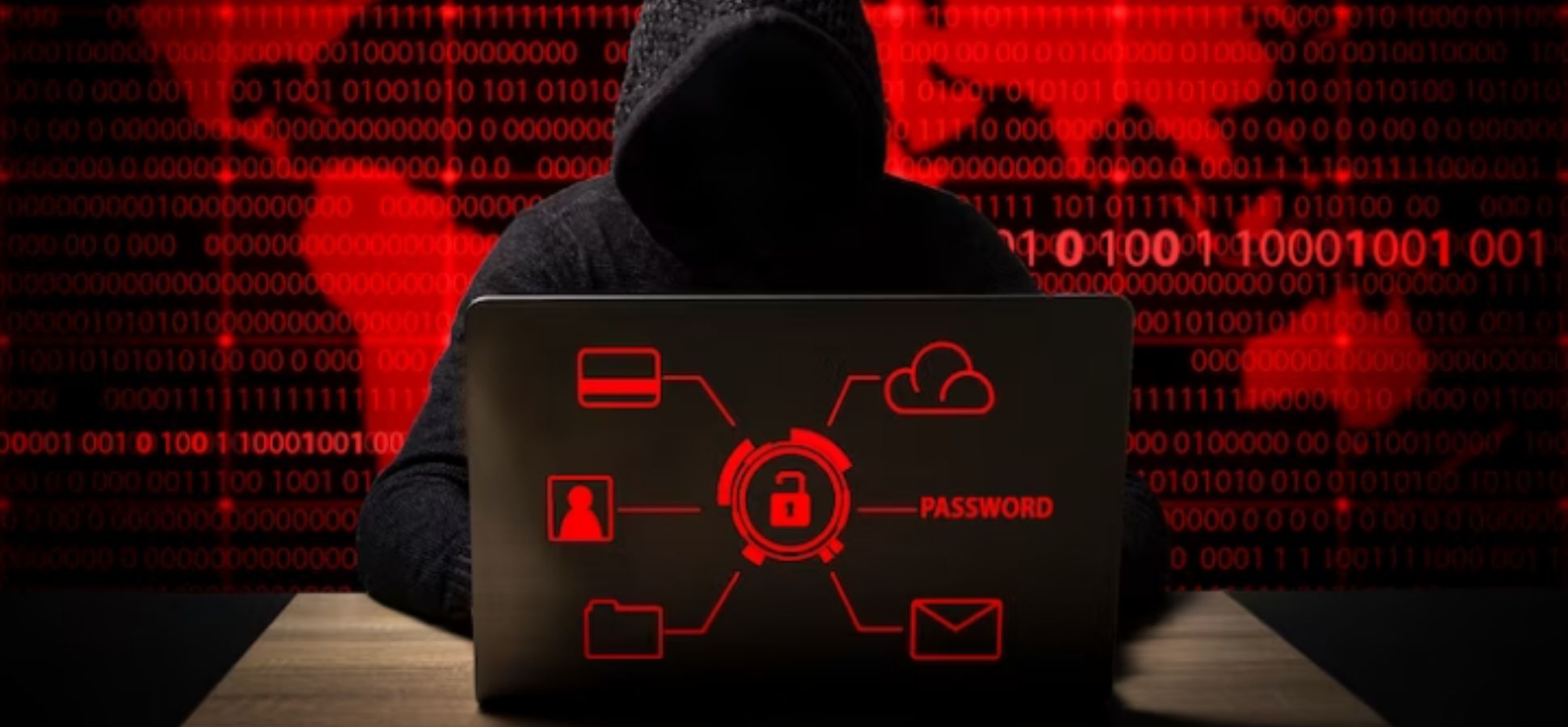
Security breaches can take many forms, but some of the most common types include:
Malware and Virus Attacks
Malware and virus attacks occur when malicious software is downloaded onto a device or system, usually via an email attachment or a website link. Once the malware is installed, it can be used to steal sensitive information or take control of the device for further attacks.
Phishing Attacks
Phishing attacks are when an attacker sends an email or message that appears to be from a legitimate source, such as a bank or a trusted company. The message will typically ask the recipient to provide sensitive information, such as passwords or credit card numbers, which the attacker can then use to steal money or data.
Social Engineering Attacks
Social engineering attacks are similar to phishing attacks, but they use more targeted and sophisticated methods to trick the victim into providing sensitive information. This can include posing as a trusted colleague or friend or using psychological manipulation to gain the victim’s trust.
Physical Theft or Loss of Devices
Physical theft or loss of devices, such as laptops or smartphones, can also result in a security breach if the device contains sensitive information that is not properly protected.
Insider Threats
Insider threats occur when an employee or other trusted individual within the organization intentionally or unintentionally causes a security breach. This can include stealing sensitive information or accidentally causing a data leak due to negligence or lack of training.
Consequences of a Security Breach

Security breaches can have serious consequences for businesses, including:
Loss of Data
One of the most immediate and tangible consequences of a security breach is the loss of data. Depending on the nature of the breach, this can include financial data, personal data, or other sensitive information. Losing this data can have a significant impact on the business, both in terms of the cost of replacing or recovering the data and the potential damage to the business’s reputation.
Financial Loss
Security breaches can also result in significant financial losses for businesses. This can include the cost of investigating and addressing the breach, as well as any legal or regulatory fines that may be imposed as a result of the breach. Businesses may also face lost revenue or decreased productivity as a result of the breach.
Damage to Reputation
Customers, partners, and investors may lose trust in the business if they perceive it as unable to protect sensitive information. This can result in lost business opportunities and decreased revenue, which can be difficult to recover from.
Legal Consequences
Depending on the nature of the breach, businesses may be subject to legal or regulatory fines, lawsuits, or other legal action. This can be costly and time-consuming and can have a long-lasting impact on the business.
Best Practices for Protecting Against Security Breaches

Implementing strong security measures can significantly reduce the risk of security breaches. Here are some best practices that businesses can follow to protect themselves:
Implement Strong Passwords and Two-Factor Authentication
One of the easiest and most effective ways to protect against security breaches is by implementing strong passwords and two-factor authentication. Passwords should be complex and unique, with a mix of letters, numbers, and symbols, and should be changed regularly.
Two-factor authentication adds an extra layer of security by requiring a second form of authentication, such as a fingerprint or a text message code, to access sensitive information.
Keep Software and Systems Up-To-Date
Keeping software and systems up-to-date is essential for protecting against security breaches, as updates often include security patches that address known vulnerabilities. Businesses should regularly check for software and system updates, and ensure that they are installed on time.
Regularly Backing Up Important Data
Regularly backing up important data is crucial for protecting against data loss in the event of a security breach. Businesses should have a regular backup schedule in place, and ensure that backups are stored securely, both on-site and off-site.
Use Encryption to Protect Sensitive Data
Encryption is a powerful tool for protecting sensitive data, as it renders the data unreadable and unusable to anyone without the encryption key. Businesses should ensure that sensitive data, such as financial information or personal data, is properly encrypted, both in transit and at rest.
Conduct Regular Security Audits and Risk Assessments
Regular security audits and risk assessments can help businesses identify vulnerabilities and potential threats before they result in a security breach. Businesses should conduct regular audits and assessments of their systems and processes, and use the results to implement appropriate security measures.
Use AI Agents for Threat Detection
One of the benefits of using AI agents for threat detection is that they can detect and prevent security threats in network and physical security. They use machine learning algorithms to monitor network traffic and computer vision to identify objects or behaviors that indicate a threat.
Educate Employees on Security Best Practices
Employees can be a weak link in a business’s security defenses, so it’s important to educate them on security best practices. Businesses should provide regular training on topics such as password management, phishing awareness, and social engineering, and ensure that employees understand their role in maintaining the security of the organization.
Implement Security Policies and Procedures
Clear security policies and procedures can help businesses establish a culture of security and ensure that everyone is on the same page when it comes to protecting sensitive information. Businesses should develop and implement policies and procedures for areas such as data handling, device management, and incident response.
Establish an Incident Response Plan
Even with the best security measures in place, it’s still possible for a security breach to occur. Businesses should have an incident response plan that outlines the steps to be taken in the event of a security breach, including who to contact, what actions to take, and how to mitigate the damage.
Final Thoughts
The consequences of a security breach can be devastating for businesses. However, implementing appropriate security measures and harnessing the power of AI will significantly reduce the risks of a breach, build trust with customers and partners, and position businesses for long-term success.