
First-generation can mean a lot of things. For some, it’s being the first in their family to attend college. For others, it’s being the first to start a business in a country they weren’t born in. The common thread is this: they’re doing something no one in their immediate circle has done before.
This uncharted path comes with immense pressure. First-gen founders often carry the weight of their family’s sacrifice and expectations. Many juggle work, school, and side gigs to survive—while laying the groundwork for something bigger. Their drive isn’t just about ambition. It’s fueled by the belief that they have to succeed.
And while that pressure is real, it often transforms into power. It sparks creativity, strengthens resilience, and teaches them how to build something from nothing.
What It Means to Be First-Gen
Unlike founders who may inherit capital, clients, or family business advice, first-gen entrepreneurs start from scratch. They Google what others were taught at dinner tables. They pitch to investors without anyone proofreading their decks.
This scrappy mindset, born out of necessity, often becomes a competitive advantage. First-gen founders know how to adapt, how to stretch a dollar, and how to build brands that actually mean something—because for them, the story is just as important as the service.
More Than Just Business
First-gen entrepreneurs don’t just build for profit—they build with purpose. Having navigated systemic barriers themselves, many are deeply invested in creating businesses that are accessible, inclusive, and ethical.
This mindset resonates strongly in today’s market, where consumers crave authenticity over advertising. People aren’t just buying products anymore—they’re buying values, stories, and missions. And first-gen founders? They’ve got all three.
Real Life Founders
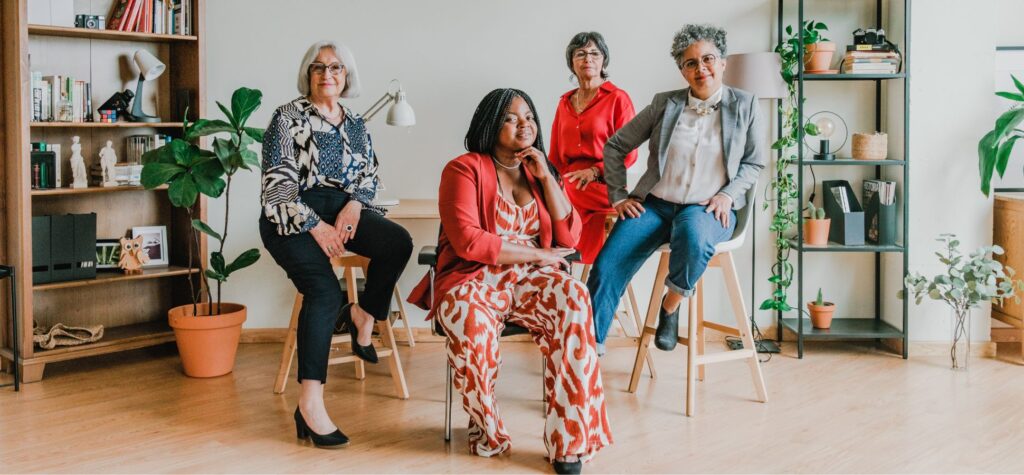
Born and raised in Cincinnati, Ohio, Candice Matthews Brackeen didn’t come from generational wealth or a family of investors. As a first-generation entrepreneur, she built her career in rooms where few people looked like her—and even fewer shared her background.
Brackeen is the founder and CEO of Lightship Capital, a venture capital firm focused on funding under-appreciated founders—women, people of color, LGBTQ+ individuals, and people with disabilities. While many VC firms invest in the familiar, Brackeen built her mission around the overlooked. Through Lightship Capital, she’s helping redefine who gets to dream big—and who gets the resources to back it up.
For first-gen founders across the country, her story isn’t just inspirational. It’s proof that real change is already happening—in cities like Cincinnati and beyond.
What Comes Next
If you’re a first-gen entrepreneur—or dreaming of becoming one—know this: your perspective is your power. Your experiences are valid. Your background gives you something money can’t buy—grit, empathy, and the ability to adapt in rooms that weren’t built for you. That’s not a weakness. That’s your superpower.
I say that not just as a writer, but as someone in the middle of that story myself. I’m a first-generation college student trying to carve out my own path—and here’s what’s helped me along the way:
1. Start small, but start loud.
You don’t need a perfect plan or a polished pitch to begin. Just start sharing your story—online, in conversations, wherever you feel safe. The right people notice consistency and honesty.
2. Ask for help, even when it feels uncomfortable.
You’re not supposed to have all the answers. Reach out to people you admire, send the email, ask the question. Most successful people remember being in your shoes.
3. Learn. Always keep learning.
There are free tools, even Harvard courses, and mentors all around you. Make curiosity your habit. That drive to learn will carry you further than anything else.
4. Don’t wait to feel ready.
You probably never will. Start anyway. New spaces can feel uncomfortable when they aren’t designed for us. Be the change. Confidence comes with momentum, not perfection.
Being first means you’re building something that didn’t exist before—and that’s powerful. Keep going. You’re not just doing this for yourself. You’re making room for others to follow.