

If you’ve noticed your dollar doesn’t stretch as far as it used to, you’re not alone. This phenomenon is due to inflation, which describes the gradual rise in prices and the resulting decline in your money’s purchasing power over time. Let’s delve into how inflation works and explore steps you can take to protect the value of your money.
How Inflation Works
Inflation occurs when prices rise across the economy, reducing your money’s purchasing power. For example, in 1980, a movie ticket cost about $2.89. By 2019, that average price rose to $9.16. If you saved a $10 bill from 1980, it would buy two fewer movie tickets in 2019 than nearly four decades earlier.
Inflation isn’t about higher prices for just one item or service. It refers to a broad increase in prices across an industry—like the automotive or energy sector—and ultimately, across a country’s entire economy.
The primary measures of U.S. inflation are the Consumer Price Index (CPI), the Producer Price Index (PPI), and the Personal Consumption Expenditures Price Index (PCE). These indices track price changes across the American economy.
Although it can be frustrating to see your dollars lose value, most economists view a small amount of inflation as a sign of a healthy economy. A moderate inflation rate encourages spending or investing money today, rather than stashing it away and watching its value diminish.
Inflation can become destructive if it spirals out of control. Unchecked inflation can topple a country’s economy, like in 2018 when Venezuela’s inflation rate hit over 1,000,000% a month, causing the economy to collapse and forcing countless citizens to flee the country.
What Is Deflation?
Deflation is when prices decline across a sector or an entire economy. While it might seem beneficial to buy more for less tomorrow, economists warn that deflation can be more dangerous than unchecked inflation. Deflation can lead consumers to delay purchases, which can freeze economic growth, decimate wages, and paralyze an economy.
Extreme Inflation: Hyperinflation & Stagflation
Unchecked inflation can lead to hyperinflation or stagflation, both of which severely impact consumers’ purchasing power and economies.
What Is Hyperinflation?
Hyperinflation occurs when inflation rises rapidly, causing the country’s currency value to plummet. Economists define hyperinflation as when prices rise by at least 50% each month. Though rare, hyperinflation has occurred during times of civil unrest, war, or regime change, rendering currency worthless. One of the most infamous examples of hyperinflation happened in Weimar Germany in the early 1920s, with prices rising by tens of thousands of percent each month, devastating the economy.
What Is Stagflation?
Stagflation is when inflation remains high, but a country’s economy is stagnant and unemployment rises. Typically, when unemployment increases, consumer demand decreases, lowering prices and recalibrating purchasing power. During stagflation, prices stay high even as consumer spending decreases, making goods more expensive. The U.S. experienced stagflation in the mid to late 1970s, as high prices from OPEC oil embargoes drove inflation higher while recession lowered GDP and increased unemployment.
What Causes Inflation?
Inflation arises through two main mechanisms: demand-pull inflation and cost-push inflation, both linked to the economic principles of supply and demand.
Demand-Pull Inflation
Demand-pull inflation occurs when demand for goods or services increases, but supply remains the same, pulling prices up. In a healthy economy, increasing income allows consumers to buy more, raising competition for existing goods and driving up prices. An example of demand-pull inflation is the surge in demand for the Nintendo Switch during the early COVID-19 pandemic, which saw its prices nearly double on secondary markets due to increased demand and production halts.
Cost-Push Inflation
Cost-push inflation happens when the supply of goods or services is limited, but demand remains the same, pushing up prices. External events like natural disasters can hinder production, allowing companies to raise prices. For instance, oil prices often rise when international treaties or disasters reduce supply, even though demand remains stable.
Measuring Inflation

The U.S. inflation rate is measured using CPI, PPI, and PCE indexes. These indices provide a comprehensive picture of the inflation rate, capturing a range of price changes in the U.S. economy.
- Consumer Price Index (CPI): Calculated by the U.S. Bureau of Labor Statistics monthly, CPI tracks changes in prices consumers pay for goods and services, using a “basket of goods” approach. This index is vital for calculating cost-of-living increases for Social Security payments and adjusting rates on inflation-protected securities like TIPS.
- Producer Price Index (PPI): Published by the Bureau of Labor Statistics, PPI tracks changes in prices companies receive for goods and services they sell. PPI is crucial in business contracts, helping to adjust rates paid for raw goods and services over time.
- Personal Consumption Expenditures Price Index (PCE): Published by the Bureau of Economic Analysis, PCE tracks consumer spending on goods and services. It considers a broader range of expenditures and updates its calculations based on actual spending, making it the Federal Reserve’s preferred inflation measure.
Inflation and the Fed
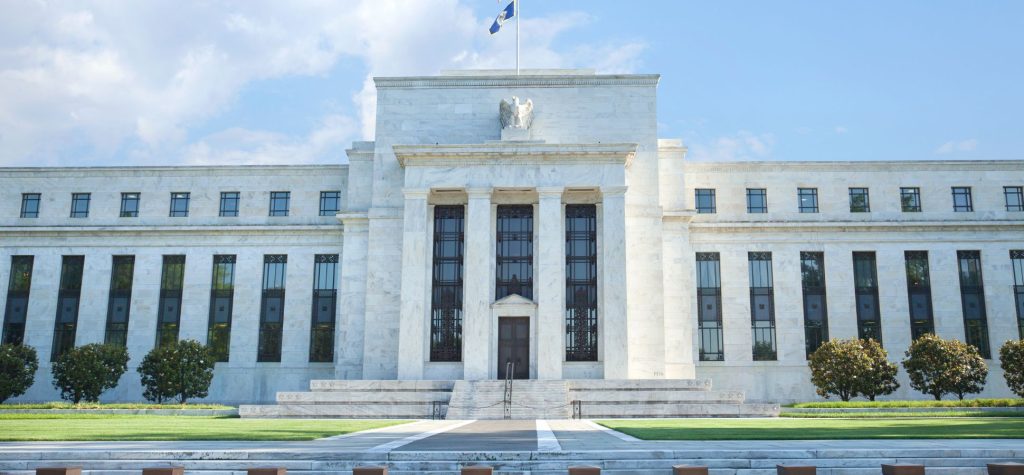
The Federal Reserve, the U.S. central bank, aims to maintain a stable inflation rate around 2% for optimal employment and price stability. This level allows the Fed to stimulate the economy during downturns by decreasing interest rates, making borrowing cheaper, and boosting consumption. However, lower rates can also drive up inflation by increasing demand.
Investments That Beat Inflation

To counter inflation’s impact, investing in certain assets can help maintain and even increase your purchasing power.
- Stocks: Investing in the stock market can potentially beat inflation. While individual stocks carry risks, broader market indices like the S&P 500 have historically outpaced inflation, with average annual returns of over 10% from 1920 to 2020.
- Bonds: Bonds typically offer lower returns than stocks but can still beat inflation. Risk-averse investors may find the consistent returns of bonds attractive. The Bloomberg Barclays U.S. Aggregate Bond Index saw annual returns of 4.47% from 2005 to 2020, accounting for inflation.
- Treasury Inflation-Protected Securities (TIPS): These U.S. treasury bonds are designed to protect against inflation, automatically adjusting in value based on CPI changes.
- Gold: Some view gold as an inflation hedge. From 1968 to 2020, gold’s average annual return was 7.6%. However, its value can fluctuate, influenced by global currencies, monetary policy, and supply and demand.
By understanding inflation and strategically investing, you can safeguard your money’s value over time.


