
Bitcoin crash fears have surged again after a wave of sharp sell-offs rattled the crypto market and reignited talk of a potential trillion-dollar wipeout.
Prices have swung violently, liquidations have piled up, and investor anxiety is once again dominating headlines. For many market participants, it feels uncomfortably familiar, like a replay of past crypto downturns that began with warnings and ended with widespread losses.
The latest concern centers on analyst projections suggesting that under a high-risk scenario, the broader cryptocurrency market could lose up to one trillion dollars in value if Bitcoin continues to slide.
Why Bitcoin Crash Fears Are Intensifying Now
Bitcoin rarely moves in isolation, and the current fear cycle is the result of several forces converging at once. Understanding these root causes helps explain why market sentiment has shifted so quickly from optimism to caution.
Major Technical Price Breakdown Signals
One of the clearest triggers for renewed Bitcoin crash fears has been the breakdown of key technical levels.
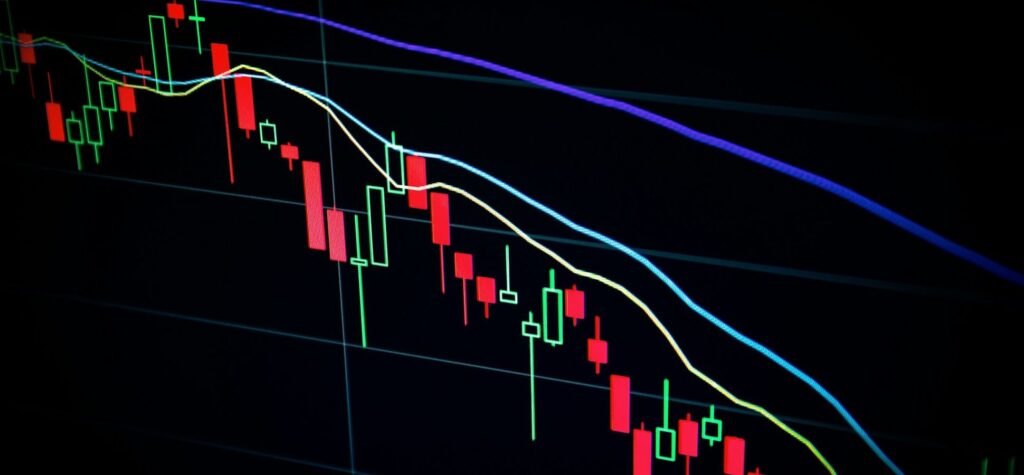
Bitcoin recently slipped below widely watched support zones, including the psychologically important seventy thousand dollar area. For traders, these levels matter because they often act as lines of confidence. When they fail, fear spreads fast.
Analysts tracking price structure and on-chain data have pointed to weakening momentum and lower highs as signs of a potential trend shift.
Once technical support breaks, automated trading systems and leveraged positions can accelerate selling.
This is how a slow decline can suddenly feel like a cliff.
Even long-term holders, who normally ignore short-term noise, tend to pay attention when major technical signals flash red.
Extreme Market Sentiment And Fear Indicators
At the same time, market sentiment has deteriorated sharply.
The crypto Fear and Greed Index has dipped into extreme fear territory, a zone historically associated with heightened volatility.
When fear dominates, rational decision-making often gives way to emotion.
Panic selling becomes contagious. One investor sells to avoid losses, another follows, and soon the market feeds on itself.
Social media amplifies this effect. A single bearish chart or dramatic headline can spread anxiety faster than any fundamental data ever could. In crypto, psychology is not just a side factor.
It is a core driver of price action.
High Risk Macro And Market Sentiment
Beyond crypto-specific factors, the broader financial environment is also playing a role.
Global markets have shown increased risk aversion, with investors favoring safer assets amid uncertainty around interest rates and economic growth. In this environment, Bitcoin is often treated as a high beta asset, meaning it moves more aggressively than traditional markets in both directions.
When tech stocks wobble, or bond yields shift, Bitcoin often reacts with exaggerated swings.
Correlations between crypto and risk assets tend to rise during periods of stress, which reinforces the narrative that Bitcoin is vulnerable in a high-risk macro backdrop.
What The Trillion Dollar Warning Really Means

Headlines about a trillion-dollar crash sound dramatic, but they are often misunderstood.
It is important to separate the symbolism of the number from the mechanics behind it.
Origins Of The $1 Trillion Crash Scenario
Analysts warning about a potential trillion-dollar loss are usually referring to the total cryptocurrency market capitalization, not Bitcoin alone. If Bitcoin were to experience a steep decline, the ripple effects across altcoins could erase enormous amounts of paper value across the entire market.
This does not mean one trillion dollars in cash disappears overnight. Market capitalization reflects the last traded price multiplied by supply.
When prices fall, that implied value shrinks quickly. In volatile markets like crypto, large numbers can vanish on paper far faster than they were ever created.
Why The Warning Is Not Pure Fearmongering
While the headline is attention-grabbing, it is not entirely speculative.
Leverage plays a major role in crypto markets.
Many traders use borrowed funds through derivatives and margin products. When prices fall, forced liquidations occur, pushing prices down further and triggering more liquidations in a feedback loop.
Corporate and institutional exposure also matters.
Companies that hold Bitcoin on their balance sheets face real financial pressure if prices drop below certain thresholds.
In extreme scenarios, this can lead to selling for liquidity or risk management reasons, adding to downward momentum.
These dynamics explain why analysts treat the warning as a plausible risk rather than pure hype.
Key Drivers Behind Bitcoin Crash Fears
To understand the depth of current concerns, it helps to look at the structural forces driving fear beneath the surface.
Large Scale Liquidations And Selloffs
Recent market data shows billions of dollars in Bitcoin and crypto liquidations over short periods.
Liquidations occur when leveraged positions are forcibly closed because traders can no longer meet margin requirements. Each liquidation adds selling pressure, which can cascade rapidly.
This snowball effect is one reason crypto downturns often feel sudden and severe.
What starts as a modest correction can turn into a sharp selloff once leverage unwinds.
It is not just sentiment driving prices down.
It is the mechanics of the market itself.
Corporate And Strategic Bitcoin Exposure
Large Bitcoin holders have become more visible in recent years.
Public companies, funds, and long-term strategic investors now hold meaningful amounts of Bitcoin.
When prices fall sharply, losses are no longer abstract.
Even firms with strong convictions can face shareholder pressure, accounting implications, or liquidity needs.
The presence of these large players changes the market narrative.
Bitcoin is no longer just a retail experiment. It is intertwined with corporate balance sheets, which raises the stakes during downturns.
Macro Rates And Policy Pressure
Monetary policy continues to influence crypto markets indirectly.
Expectations around interest rates and central bank policy shape investor behavior. When yields on safer assets rise, speculative investments often lose appeal.
Inflation expectations also matter.
Bitcoin has been framed as a hedge by some, but in practice, it still behaves like a risk asset during periods of tightening.
This tension adds uncertainty and fuels debate about Bitcoin’s role in a diversified portfolio.
Broader Crypto Market Risks And Contagion Fears

Bitcoin sets the tone for the entire crypto ecosystem. When it stumbles, the effects spread quickly.
Selloff Impact Beyond Bitcoin
Ethereum, XRP, and other major altcoins often mirror Bitcoin’s moves, but with greater volatility.
Smaller tokens tend to suffer even more, as liquidity dries up and investors retreat to perceived safety.
This contagion effect amplifies fear.
A Bitcoin correction becomes a crypto market selloff, reinforcing the idea that systemic risk is rising.
Exchange Health And Crypto Infrastructure Stress
Market downturns also expose stress within the crypto infrastructure.
Reports of exchange layoffs, cost-cutting, or reduced activity can shake confidence. Even when platforms remain solvent, the perception of strain matters.
Trust is fragile in crypto. Any sign of weakness, whether operational or financial, can contribute to broader anxiety.
Regulatory And Oversight Uncertainty
Regulatory scrutiny continues to loom over the industry.
Unclear rules and enforcement actions add another layer of uncertainty.
During volatile periods, regulatory headlines often intensify fear, even if they do not directly affect market fundamentals.
What Investors Should Understand About Bitcoin Volatility
Amid all the noise, perspective matters. Bitcoin’s volatility is not new, even if each cycle feels unique in the moment.
Bitcoin Price History And Long Term Patterns
Bitcoin has experienced multiple drawdowns of fifty percent or more throughout its history.
Each time, critics declared the experiment over.
Each time, the market eventually recovered, though the path was never smooth.
Long-term charts show a pattern of sharp rises followed by painful corrections. This does not guarantee future performance, but it does provide context. Volatility is a feature of Bitcoin, not a bug.
Behavioral Factors And Market Psychology
Fear and greed drive crypto markets more visibly than most asset classes.
Sentiment indicators often swing to extremes, and prices tend to overshoot in both directions.
Understanding this psychology can help investors avoid emotional decisions. Markets often feel most dangerous at bottoms and most euphoric at tops.
Risk Management Fundamentals
Risk management is not about predicting the future.
It is about preparing for uncertainty. Position sizing, diversification, and knowing your own tolerance for volatility matter more than timing perfect entries.
Knee-jerk reactions during downturns often lock in losses.
A clear plan provides stability when markets do not.
Is A Bitcoin Crash Really Imminent
The word crash gets used loosely, but not every downturn qualifies.
Bear Market Versus Crash
A bear market is a prolonged period of declining prices and negative sentiment.
A crash is a sudden and severe collapse.
While crash fears spike during volatile periods, many downturns resolve into slower, grinding bear markets rather than instant collapses.
Distinguishing between the two helps temper expectations.
Bullish Arguments And Counterweights
Despite current fear, bullish factors remain. Long-term holders often accumulate during dips. Infrastructure continues to improve. Institutional interest has not vanished, even if it has cooled temporarily.
These counterweights do not eliminate risk, but they complicate the crash narrative.
Timeframes And Market Recovery Context
Crypto recoveries take time. Some bear markets last months, others years. Patience and strategic planning matter more than short-term predictions.
What This Means For Regular Investors
For everyday investors, the current environment is challenging but not unprecedented.
Should You Panic Sell Or Hold
Panic selling rarely leads to good outcomes. Decisions should be based on personal financial situations, not headlines.
If an investment no longer fits your risk tolerance, reassessment makes sense.
Acting out of fear does not.
Dollar Cost Averaging And Long Term Strategies
Dollar cost averaging can reduce the stress of timing the market. By spreading purchases over time, investors smooth out volatility and reduce the impact of short-term swings.
When To Reevaluate Your Crypto Portfolio
Major market shifts are an opportunity to review allocations, goals, and risk exposure. Rebalancing is a strategic decision, not an emotional one.
Market Fear Offers Both Risks And Opportunities
Bitcoin crash fears have intensified as technical breakdowns, leverage unwinds, and macro uncertainty collide.
The trillion-dollar warning highlights how interconnected and fragile the crypto market can be during periods of stress. At the same time, fear often exaggerates risk just as euphoria exaggerates reward.
Volatility is part of crypto’s nature.
For informed investors, understanding the forces at play makes the difference between reacting emotionally and acting strategically. The market will continue to test conviction.
How investors respond matters more than any single headline.
Frequently Asked Questions About Bitcoin Crash Fears
What Is Causing Today’s Bitcoin Crash Fears
Rising volatility, technical breakdowns, leveraged liquidations, and macro uncertainty are all contributing to current fears.
Could Bitcoin Really Lose $1 Trillion In Value?
The figure refers to the total crypto market value, not Bitcoin alone. Large losses are possible on paper if prices fall sharply.
Is This Similar To Past Bitcoin Market Crashes
In many ways, yes. Fear cycles, leverage unwinds, and sentiment extremes have appeared in previous downturns.
How Can Investors Protect Their Crypto Portfolio
Risk management, diversification, and disciplined strategies help reduce exposure to extreme volatility.
What Signals Might Indicate A True Market Bottom
Extreme fear, reduced selling pressure, and stabilization over time often precede market bottoms, though no signal is guaranteed.