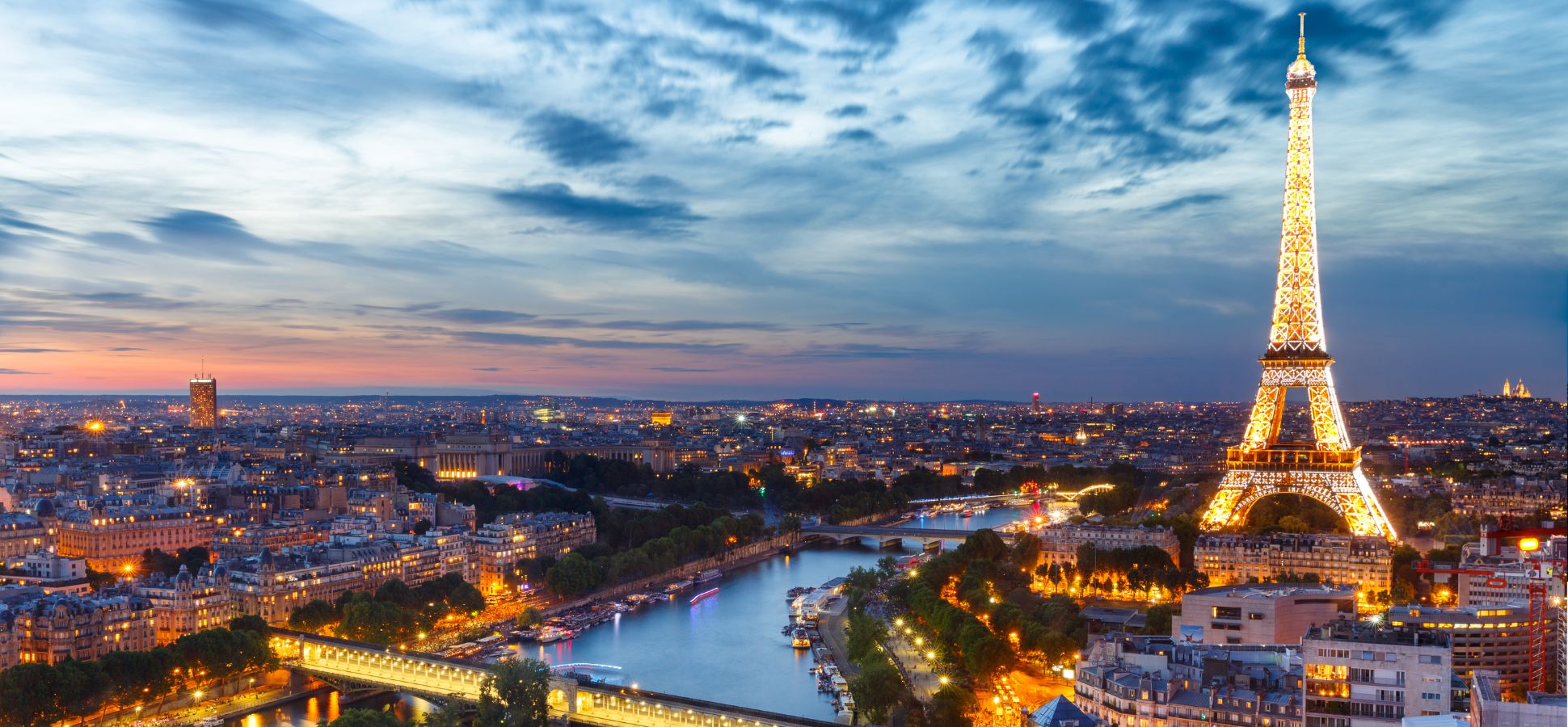
The latest 2025 livability report spotlights cities where day-to-day life excels across stability, healthcare, culture and environment, education, and infrastructure. This outline distills the findings, highlights who leads the pack, and explains how to use the list to make a move that truly fits your lifestyle.
Beyond rankings, we unpack why certain regions dominate, why some heavy-hitting metros lag, and how to balance practical livability with what many call the funnest city vibe from festivals and nightlife to social energy, so your shortlist reflects both quality and joy.
What Livability Means in 2025?
Livability in 2025 is defined by a set of measurable indicators that go beyond a city’s reputation or population size. Instead, the focus is on the quality of daily life for residents, using data that can be compared across regions and cultures. These criteria are designed to capture what truly makes a city comfortable, functional, and enjoyable, whether you’re seeking the funnest city or a place that simply works for your family.
The five pillars evaluators use to determine livability are:
1. Stability: This pillar assesses public safety, crime rates, and the sense of social cohesion. Cities that score high here offer residents peace of mind and a reliable sense of community.
2. Healthcare: Access to medical services, the quality of care, and the capacity of the system are all considered. In 2025, cities with robust healthcare networks are especially valued for their resilience and ability to handle public health challenges.
3. Culture and Environment: This includes the availability of green spaces, the vibrancy of arts and dining scenes, climate conditions, and levels of pollution. The funnest city contenders often excel in this area, offering both entertainment and a healthy environment.
4. Education: Evaluators look at the quality and accessibility of schools, as well as the long-term outcomes for students. Strong education systems attract families and support economic growth.
5. Infrastructure: Reliable transit, well-maintained roads, efficient utilities, digital connectivity, and functional housing are all critical. Even the most exciting city can lose its appeal if infrastructure fails to meet residents’ needs.
These factors are more relevant than ever in 2025. The rise of remote and hybrid work has increased the importance of neighborhood amenities and public spaces, as people spend more time in their local communities. Climate resilience and air quality now play a central role in city rankings, reflecting growing concerns about environmental sustainability. Finally, gaps in infrastructure can undermine a city’s strengths, particularly for families who depend on dependable services and safe, accessible housing.
The 20 Best Cities to Live in 2025 at a Glance
The 2025 rankings highlight a familiar landscape at the top, with European and Asia-Pacific cities continuing to set the global benchmark for urban living. These cities distinguish themselves through robust infrastructure, strong education systems, and a commitment to public well-being, making them not only some of the most livable but also contenders for the funnest city experiences worldwide.
The very top of the list features:

- Copenhagen at number one, achieving perfect marks in stability, education, and infrastructure. The city’s cohesive urban planning and social safety net reinforce its top status.
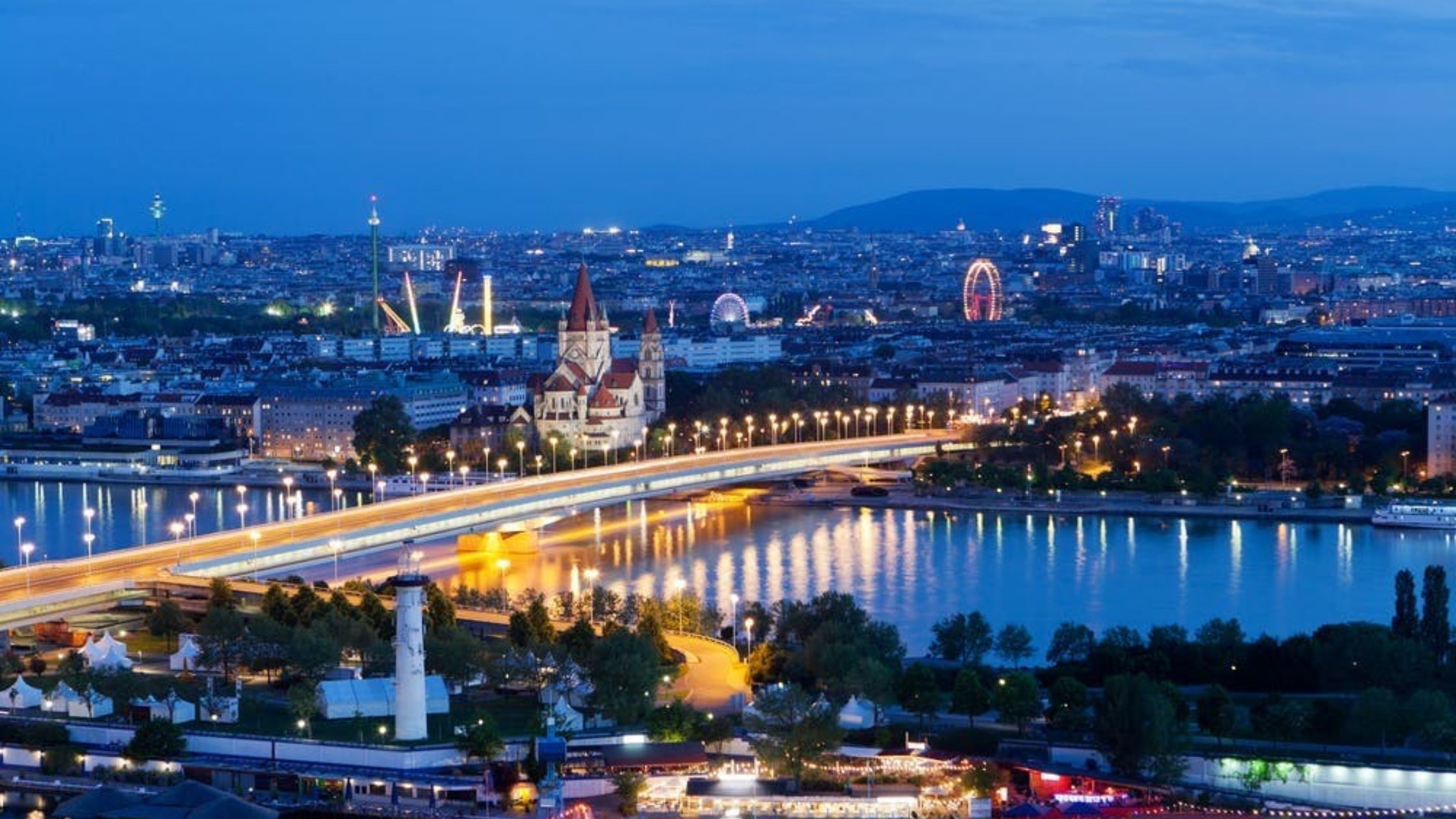
- Vienna and Zurich share the second spot, each earning an overall score of 97.1. Both cities excel in healthcare and infrastructure, offering residents reliable public services and a high standard of living.

- Melbourne holds fourth place, recognized for its vibrant culture, environmental quality, and leading educational institutions.
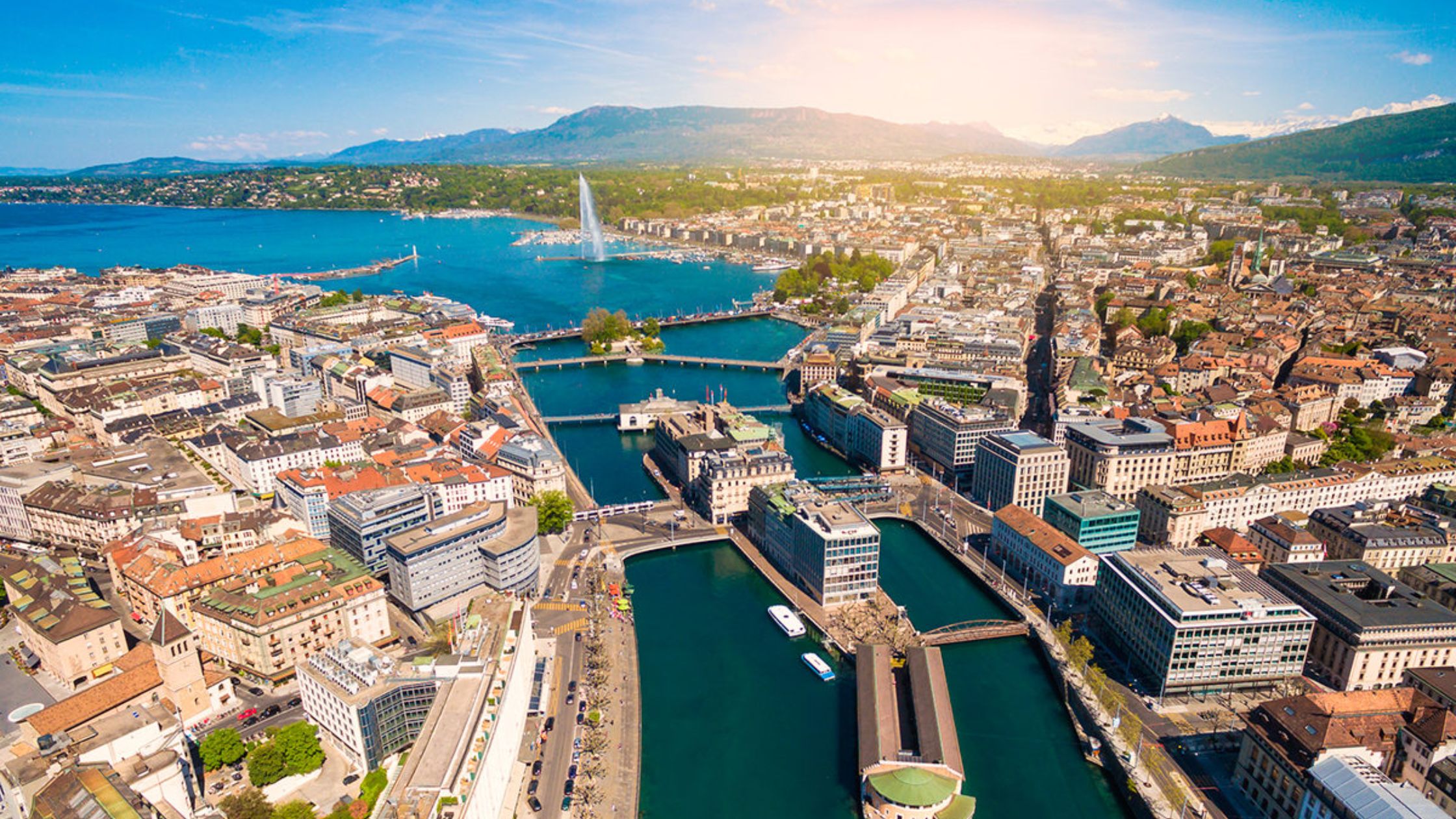
- Geneva and Sydney round out the top five, each praised for their high quality of life and rich cultural offerings.
Globally, the list is shaped by a clear pattern:

- Europe and the Asia-Pacific region dominate the upper ranks, a testament to their ongoing investments in public transit, healthcare, and urban design.
- Cities in these regions benefit from policies that prioritize sustainability and social cohesion, which consistently translate into higher scores.
When it comes to the United States:
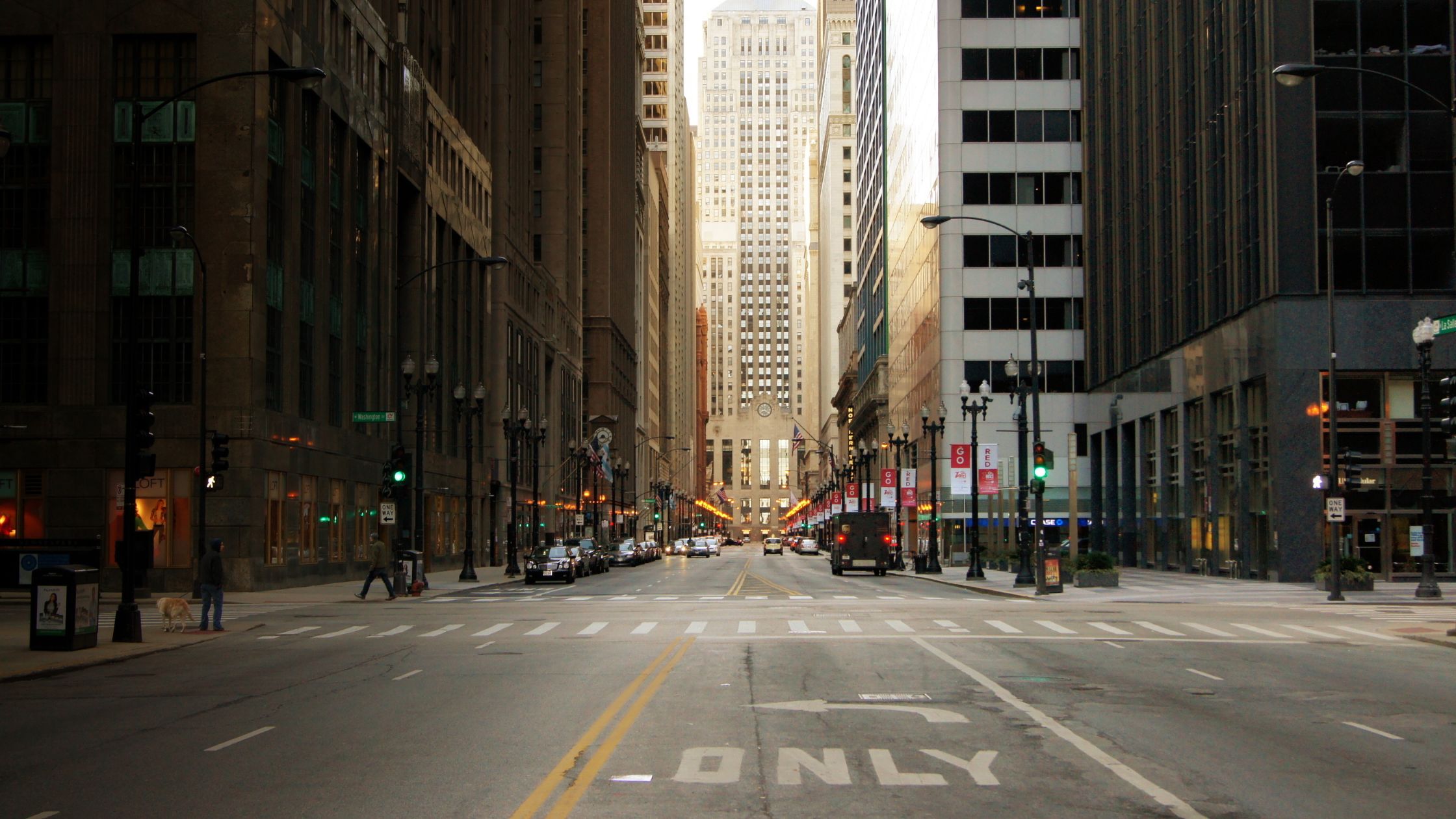
- No U.S. city cracks the top ten in 2025. Ongoing challenges with crime rates and infrastructure investment continue to impact their rankings.
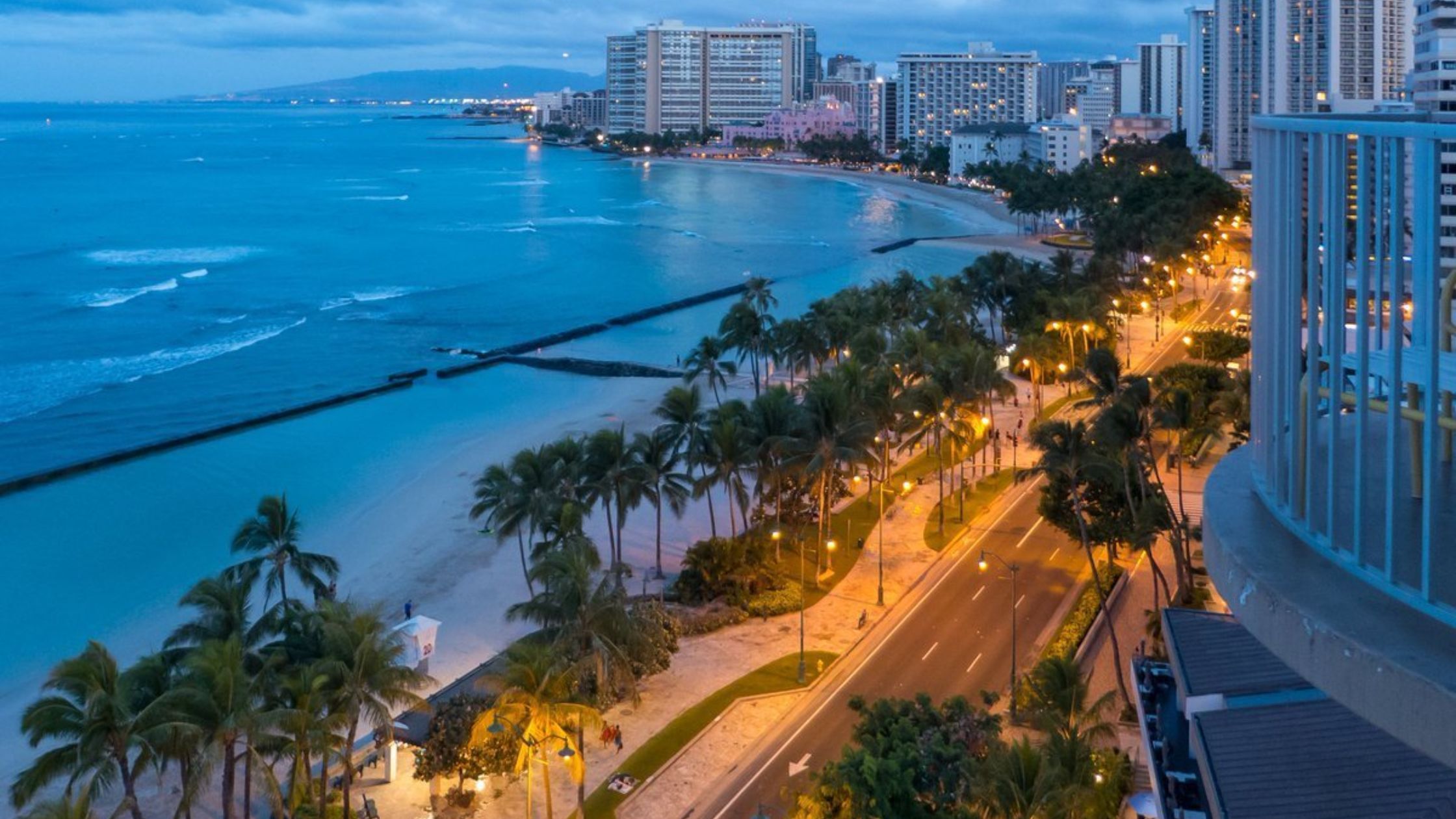
- Honolulu emerges as the highest-ranked U.S. city at 23rd. While it offers a strong sense of community and natural beauty, broader issues in urban management keep U.S. cities from joining the global leaders this year.
How this differs from other rankings and the funnest city idea?
Not every “best city” ranking uses the same yardstick. Livability lists typically weigh factors such as safety, public services, environmental quality, and access to daily essentials. These rankings try to capture what it’s like to actually live in a place, how easy it is to get around, how clean the air is, and whether you feel secure walking home at night. In contrast, global city indexes focus on a city’s economic power, international connectivity, and influence in business and culture. A major financial hub might score high on these lists even if it’s not the easiest place for families or newcomers to settle in.
The idea of the funnest city adds another dimension. Here, nightlife, festivals, street food, and the energy of public spaces take center stage. This is more subjective, what feels like the funnest city to one person may not appeal to another. For some, a city with a slightly lower livability score but a vibrant social scene can be more attractive than a perfectly ordered but quieter locale.
To make sense of any top 10 list, it helps to:
- Consider which pillars matter most to you: Are you prioritizing schools, healthcare, or walkability?
- Look past the headline rank and examine sub-scores in areas that reflect your lifestyle.
- Check the reality on the ground commute times, rent levels, green spaces, and the feel of individual neighborhoods can reveal more than any aggregate score.
Ultimately, the best or funnest city depends on your own mix of needs and what you value in daily life.
Living Well Is a Balance of Quality and Joy
Cities that consistently rank at the top of global livability reports share more than just efficient infrastructure and public safety. They excel at creating environments where daily life is not only manageable but also genuinely enjoyable. High-scoring cities offer reliable public transportation, accessible healthcare, and well-maintained public spaces, ensuring that residents can navigate their routines with ease and peace of mind.
Yet, true livability goes beyond logistics. The cities that stand out as the funnest city options infuse everyday life with vibrant cultural scenes, diverse culinary offerings, and opportunities for spontaneous connection. Whether through bustling markets, local festivals, or neighborhood cafés, these places foster a sense of belonging and excitement. Residents can choose between tranquil parks for a quiet afternoon or lively districts pulsing with music and nightlife, depending on their mood.
Ultimately, the best cities to live in are those that strike a harmonious balance: they provide the structure and security needed for comfort, while also delivering the energy and cultural richness that transform a city into a true home. Whether you’re searching for serenity, the funnest city vibe, or a mix of both, the right city supports not just your needs, but your happiness.
Peek into the richest country on Earth.
Quick Takeaways
Copenhagen claims the top spot as the funnest city to live in for 2025, with Vienna and Zurich sharing second place. The top five is dominated by European and Asia-Pacific cities, with Melbourne, Geneva, and Sydney rounding out the list. Notably, no U.S. city makes the top ten; Honolulu ranks highest among American cities at 23rd.
Livability rankings focus on the practical aspects of daily life think safety, healthcare, infrastructure, and culture rather than just economic strength or nightlife. To tailor your own search for the funnest city, consider:
- Reviewing sub-scores for categories like environment, education, and public transport
- Checking neighborhood-level data to match your lifestyle priorities
- Comparing cities based on your personal needs, not just the overall rankings
This approach helps ensure your shortlist reflects what matters most to you, beyond headline rankings.
Frequently Asked Questions (FAQs)
1. What is a livability index?
A livability index is a standardized assessment that evaluates cities based on stability, healthcare, culture and environment, education, and infrastructure. It provides a comparative snapshot of everyday quality of life, helping people understand how cities stack up in essential categories.
2. Why are European and Asia-Pacific cities dominant?
European and Asia-Pacific cities consistently score higher due to long-term investments in public transit, healthcare systems, safety, and accessible green spaces. These priorities have created environments where daily life is reliably comfortable and convenient.
3. Why do U.S. cities rank lower this year?
U.S. cities have seen their rankings affected by higher crime rates and persistent infrastructure gaps. While they often excel in cultural offerings and job opportunities, these advantages are offset by challenges in safety and city services.
4. How does a “funnest city” differ from “most livable”?
A “funnest city” is characterized by its entertainment options, nightlife, and vibrant social scene. In contrast, “most livable” focuses on safety, public services, and infrastructure. Many people weigh both factors, seeking a balance between excitement and everyday comfort when choosing where to live.
5. How should I use the top 10 to choose a city?
Begin by identifying your must-have criteria such as healthcare access or cultural activities. Compare sub-scores for each city, then supplement the data by researching neighborhoods firsthand to ensure the city aligns with your lifestyle and priorities.