The most beautiful countries in the world are New Zealand, Italy, Greece, Norway, Iceland, Switzerland, Spain, Portugal, Canada, and Japan chosen for their extraordinary landscapes, cultural richness, photographic appeal, and consistent acclaim among travelers.
How was this list selected?
Combined photographic impact, geographic variety, cultural depth, accessibility for travelers, and seasonal highlights to create a practical, authoritative ranking. The goal is to help you choose where to go for cinematic landscapes, refined urban beauty, or seasonal spectacles while offering planning tips that turn inspiration into a realistic trip.
The top 10 at a glance
| Rank | Country | Signature highlight |
| 1 | New Zealand | Fjords, alpine lakes |
| 2 | Italy | Amalfi Coast, Tuscany |
| 3 | Greece | Santorini, island calderas |
| 4 | Norway | Fjords, Northern Lights |
| 5 | Iceland | Glaciers, volcanics |
| 6 | Switzerland | Matterhorn, lakes |
| 7 | Spain | Coastlines, historic cities |
| 8 | Portugal | Algarve cliffs, Lisbon |
| 9 | Canada | Rockies, turquoise lakes |
| 10 | Japan | Cherry blossoms, Mount Fuji |
Why these countries made the cut?
Each country on this list consistently delivers repeatable “wow” moments across multiple regions. They offer dramatic topography, photogenic towns or cities, and distinct cultural scenes. Together they represent a balance of natural spectacle, accessibility, and seasonal variety that suits photographers, families, solo travelers, and culture seekers.
1. New Zealand: Fiords, alpine peaks, and untouched coastlines
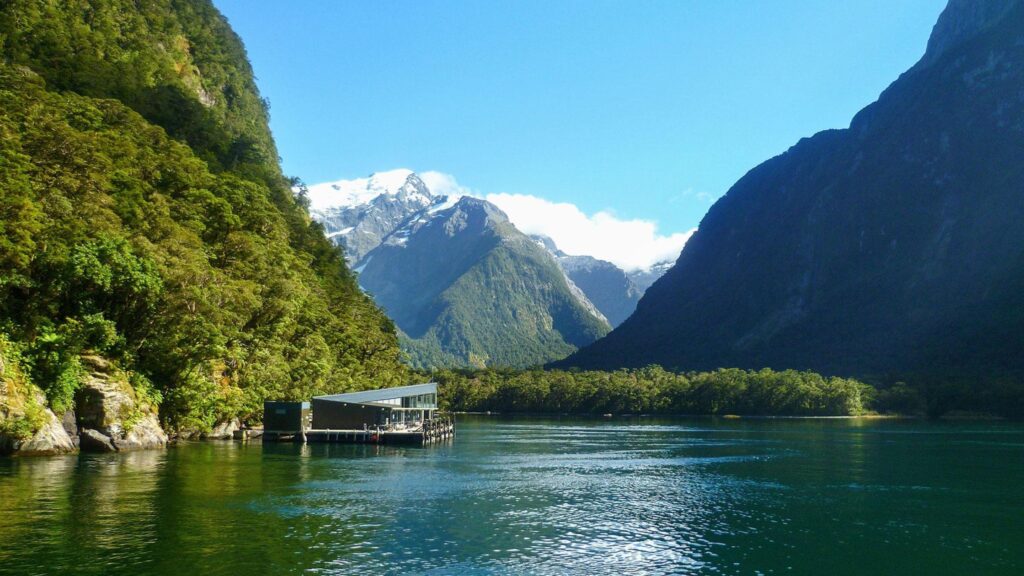
New Zealand is a compact country whose landscapes feel deliberately cinematic. The South Island’s Fiordland and Southern Alps produce dramatic mountain-and-water contrasts. The North Island offers geothermal fields and lush farmland that feel intimate and approachable.
Unmissable highlights include Milford Sound at dawn, the Tongariro Alpine Crossing, and Abel Tasman’s turquoise coves. Scenic drives such as the Crown Range and coastal routes around Kaikōura reward the patient traveler.
When to go and planning: Spring and autumn (shoulder seasons) balance weather and crowds. Rent a car for remote access and build buffer days into itineraries for weather-dependent activities.
2. Italy: Timeless art, rolling vineyards, and cliffside coasts
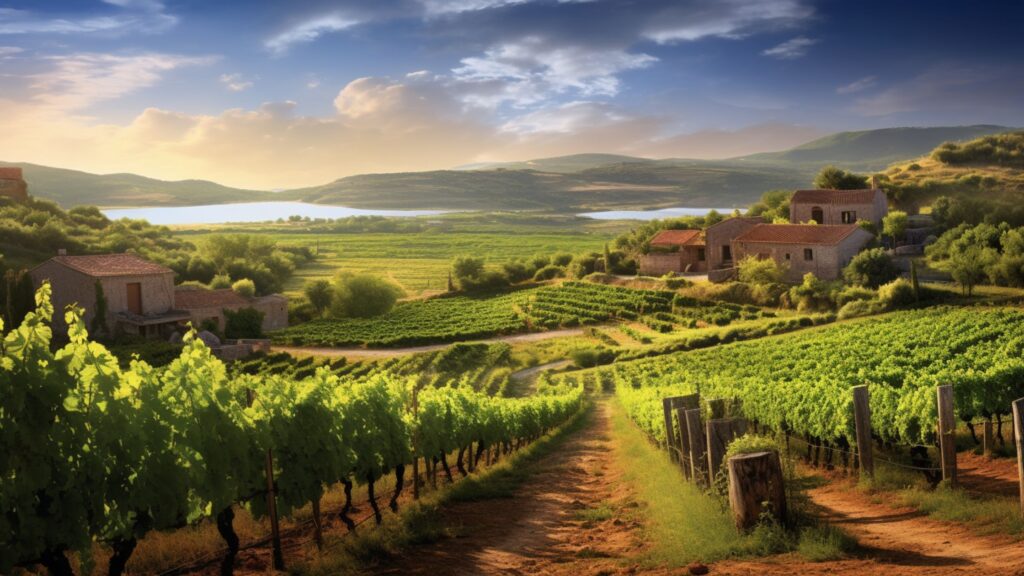
Italy’s beauty is multi-layered: Renaissance Florence, the dramatic cliff-line of the Amalfi Coast, and the pastoral rhythm of Tuscany. Each region offers a different visual identity, from the mosaic rooftops of Rome to the pastel villages clinging to Italian coasts.
Signature experiences: tasting wine in Chianti, driving the Amalfi Coast, and wandering Venice’s canals at dusk. Trains connect major cities efficiently, making multi-stop trips simple and scenic.
Best season and tips: Spring and fall avoid the summer crush and deliver ideal light for photography and comfortable touring.
3. Greece: Whitewashed islands and Aegean radiance
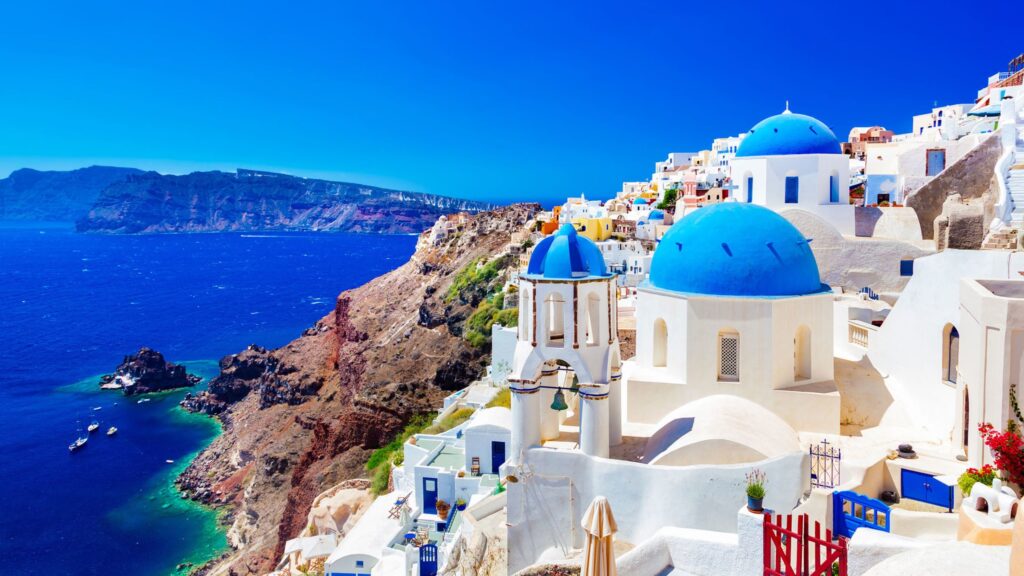
Greece’s signature image white buildings with blue domes against the Aegean Sea is instantly recognizable and endlessly photogenic. Santorini and Mykonos attract postcard-worthy crowds, while islands like Naxos and Amorgos reward visitors seeking quieter vistas.
Must-see: Santorini’s caldera views at sunset, the beaches of Zakynthos, and the ancient sites that punctuate the islands. Island-hopping is the best way to combine iconic views with hidden gems.
Practical advice: Visit in May-June or September to enjoy good weather and smaller crowds; ferry schedules can be seasonal, so plan accordingly.
4. Norway: Deep fjords and the celestial Northern Lights
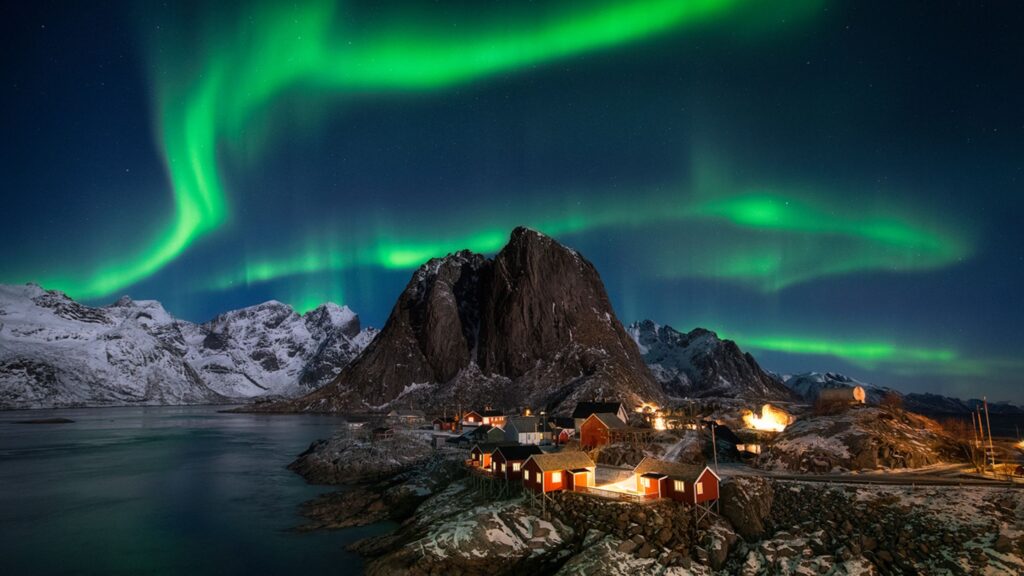
Norway’s fjords carve an elemental beauty into the coastline. Narrow waterways, steep cliffs, and mirror-like reflections create images that travel brochures rarely overpromise. Up north, the aurora borealis paints the sky in winter and late autumn.
Top routes and activities: Geirangerfjord cruises, the Atlantic Road, and scenic rail journeys such as the Bergen Line. Outdoor options include glacier hikes and fjord kayaking.
Seasonal notes: Summer offers long daylight and accessible fjord cruises; winter offers prime aurora viewing and snow-scape photography.
5. Iceland: Volcanic drama and otherworldly vistas
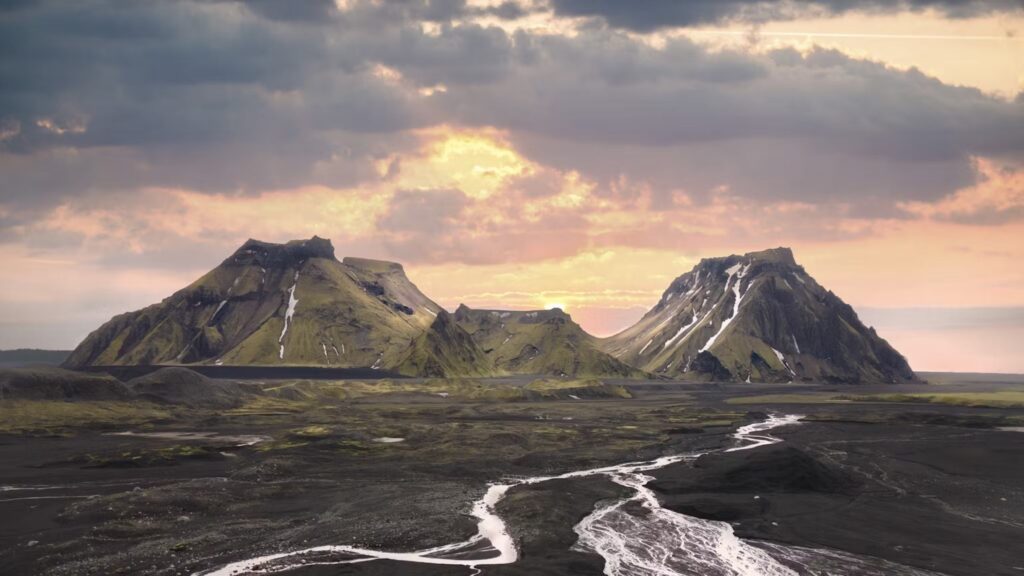
Iceland’s landscapes feel sculpted by extreme forces: black sand beaches, steaming geothermal fields, jagged lava formations, and slow-moving glaciers. One road, the Ring Road, lets you sample a variety of geological spectacles within a single loop.
Photo stops and safety: The Golden Circle, Jökulsárlón glacier lagoon, and the Westfjords are top picks. Drive with caution: weather can change quickly, and certain routes require a 4×4.
Timing: Summer provides the easiest driving and full access to highland areas; winter offers Aurora chances and stark, moody photography.
6. Switzerland: Alpine villages and mirror-like lakes
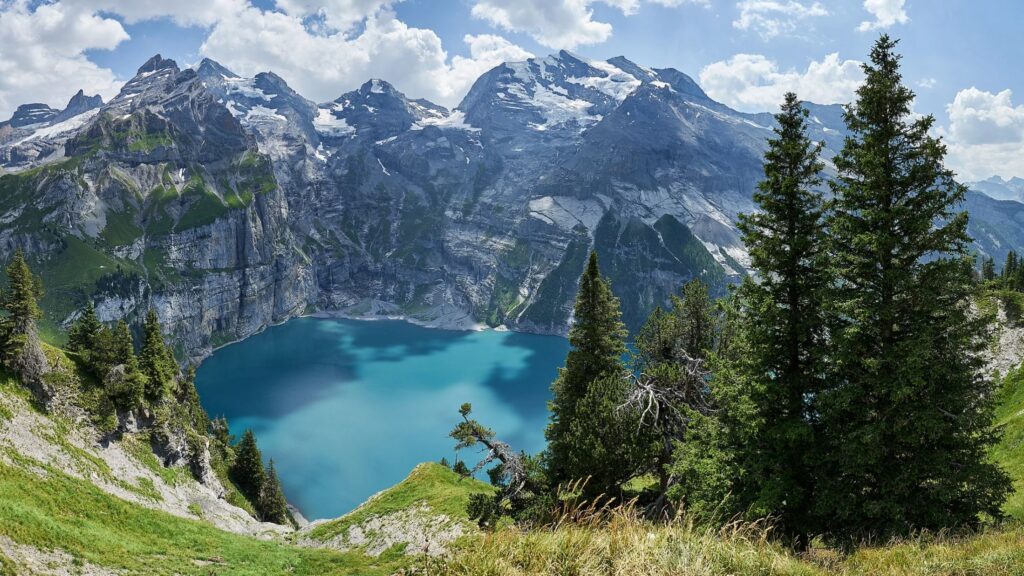
Switzerland embodies alpine aesthetics: tidy meadows, chalets with flower boxes, and peaks like the Matterhorn reflected in pristine lakes. The country’s transport network makes mountain panoramas highly accessible.
Peak viewpoints and transport: Take scenic trains (Glacier Express), ride cable cars for high viewpoints, and visit lakeside towns like Lucerne and Interlaken.
Seasonal planning: Summer is best for hiking and wildflowers; winter is peak for skiing and snow-draped vistas.
7. Spain: Color, culture, and coastal variety
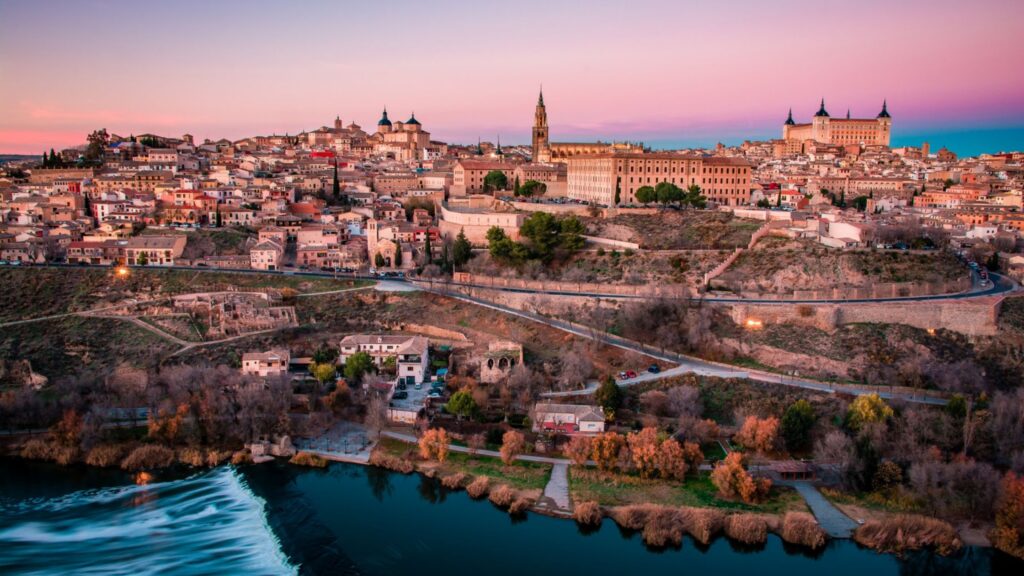
Spain blends lively cities with dramatic coastal stretches and quiet inland charm. From Gaudí’s Barcelona to Andalucía’s white towns and the cliffs of the Costa Brava, Spain’s diversity makes it visually rich and highly visitable.
Regional highlights: Barcelona’s architecture, Seville’s historic quarters, and the Balearic Islands’ beaches. Food, festivals, and local markets add cultural layers to scenic beauty.
Best approach: Combine city stays with short coastal escapes and plan around regional festivals for cultural depth.
8. Portugal: Rugged coasts, tiled cities, and vineyard valleys
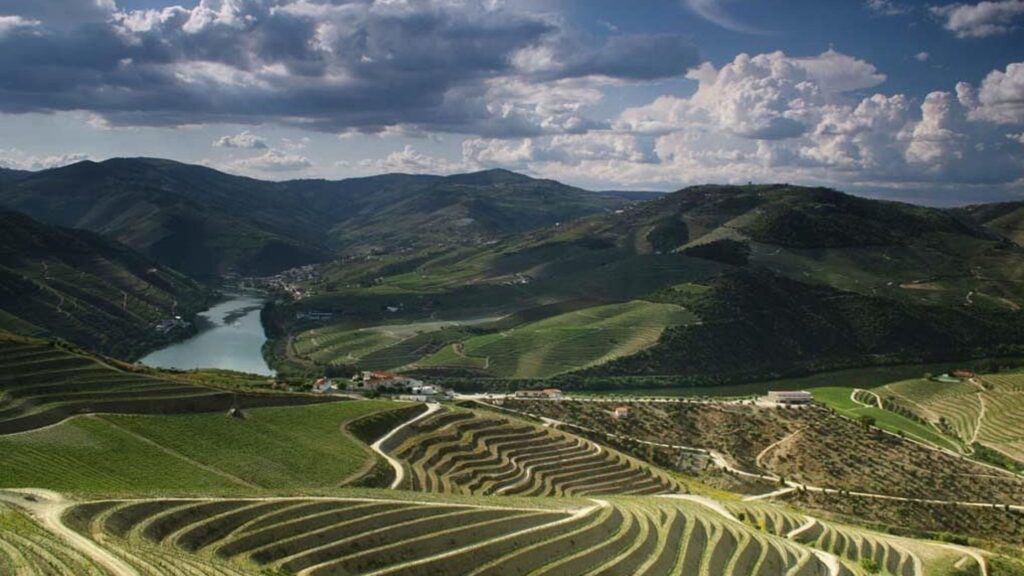
Portugal’s Atlantic coastline offers dramatic cliffs, while Lisbon’s tiled facades and narrow streets provide urban charm. The Douro Valley adds vineyard vistas and river-sculpted terraces that photograph beautifully.
Coastal drives and inland variety: The Algarve’s cliffs and Lagos viewpoints are essential. Pair coastal days with a Douro Valley wine route for inland elegance.
Timing and tips: Spring and fall yield pleasant temperatures and fewer tourists; coastal roads reward a slow, scenic driving style.
9. Canada: Mountain grandeur and freshwater serenity
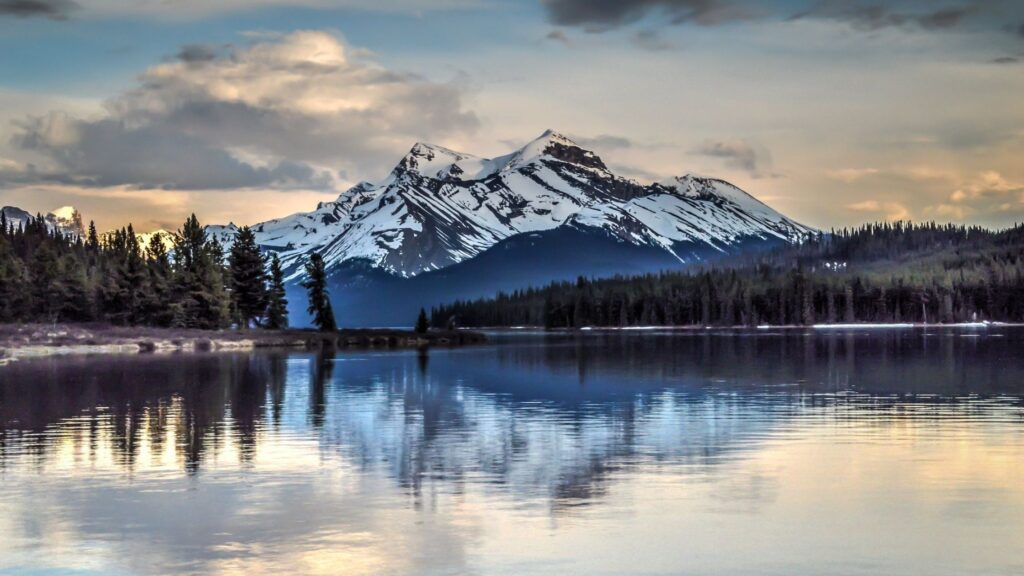
Canada’s scale means dramatic variability: jagged Rockies, turquoise glacial lakes, and expansive boreal forests. National parks such as Banff and Jasper concentrate classic mountain-and-lake imagery that feels impossibly pure.
Top parks and seasons: Banff’s Lake Louise and Moraine Lake are iconic; summer is ideal for road trips, while winter offers northern-lights viewing and alpine sports.
Travel planning: Many of Canada’s best sites require time on the road; a slower itinerary yields deeper experiences and better light for photography.
10. Japan: Seasonal poetry, temples, and Mount Fuji
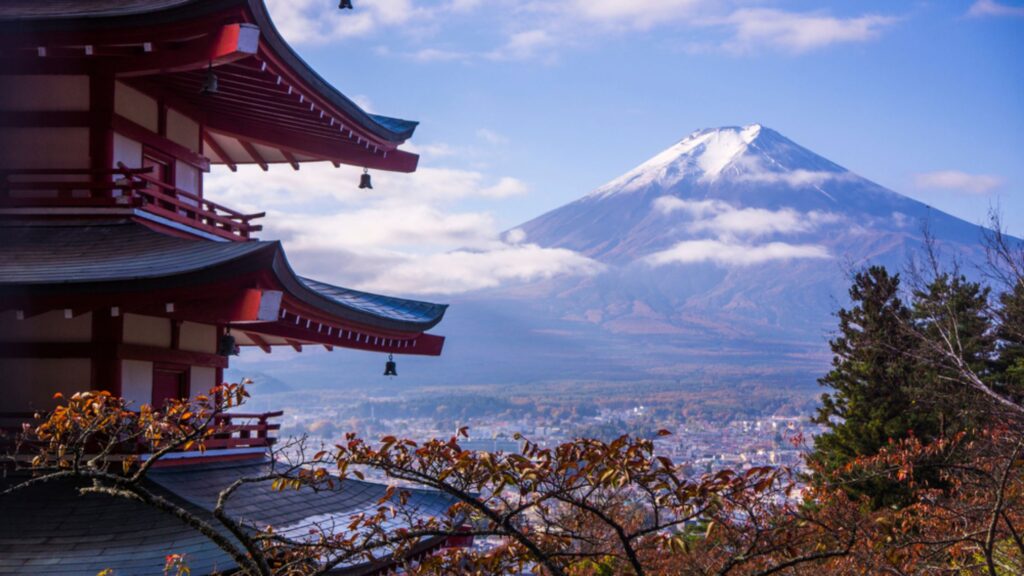
Japan’s aesthetic is refined and seasonal. Cherry blossoms in spring and fiery leaves in autumn transform towns and countryside alike. Mount Fuji’s silhouette and Kyoto’s temple gardens deliver composed, timeless visuals.
Seasonal highlights: Plan around sakura forecasts or koyo (autumn foliage); rural and urban contrasts make for balanced itineraries.
Logistics tip: Japan’s rail network is superb for multi-city trips; reserve seats when possible for peak seasons.
Two quick comparison tables
| Category | Best pick | Why |
| Best for fjords | Norway | Deep, sculpted waterways |
| Best for geological diversity | Iceland | Volcanoes, glaciers, hot springs |
| Best for refined culture | Japan | Seasonal aesthetics and temples |
| Travel style | Top country match |
| Road-tripping and untamed coasts | New Zealand |
| Urban and culinary richness | Italy |
| Island-hopping and classic beaches | Greece |
Planning essentials for visiting the most beautiful countries
- Book shoulder-season travel for fewer crowds and good light.
- Reserve internal transport early (trains, ferries, scenic rail).
- Choose photographic windows (sunrise/sunset) and allow time for weather delays.
- Respect local environment rules, particularly in national parks and fragile coastal zones.
- Consider slower travel: fewer places visited well beats many places visited superficially.
How to build an efficient itinerary?
- Cluster geographically to reduce travel time between highlights.
- Mix iconic sites with nearby quieter alternatives to avoid crowds.
- Build buffer days for weather-dependent highlights like fjord cruises or mountain hikes.
- Use scenic rail and ferries to relax and photograph from a different vantage point.
Photography guide capture the best light
- Shoot during golden hour for warm, soft light.
- Use a polarizer for deeper skies and reduced water glare.
- Bring a lightweight tripod for low-light and long-exposure shots.
- Scout vantage points ahead of time using maps and local guides.
- Include foreground elements in landscapes for depth.
For beach gear and logistics practice before island-hopping, Miami’s beaches offer lessons in sun management, tides, and crowd pacing.
Responsible travel checklist
- Follow Leave No Trace principles in natural areas.
- Use local guides to support communities and access lesser-known viewpoints.
- Avoid single-use plastics and use refillable water bottles.
- Respect cultural norms and dress codes in cities and religious sites.
- Support accommodation and tour operators with clear sustainability practices.
Sample 10-day itinerary Italy and Switzerland blend
Day 1-3: Rome Colosseum, piazzas, and evening trattorias.
Day 4-6: Tuscany hill towns, vineyard tours, and scenic drives.
Day 7-8: Lake Como lakeside relaxation and villa views.
Day 9-10: Zermatt area Matterhorn panoramas and alpine rail experiences.
This mix pairs cultural depth with alpine vantage points in a compact, doable trip.
What to pack for scenic travel?
- Layered clothing for variable climates.
- Sturdy walking shoes and waterproof jacket.
- Camera, spare batteries, and a polarizing filter.
- Reusable water bottle and compact daypack.
- Printed or offline maps and emergency contact info.
Health, safety, and logistics
- Check visa entry requirements and health advisories before travel.
- Buy travel insurance covering outdoor activities and medical evacuation if needed.
- Keep digital and hard-copy backups of essential documents.
- Be aware of altitude changes in mountain regions and prepare accordingly.
Conclusion
Defining the most beautiful countries in the world depends on the lens you use, dramatic natural formations, curated cultural landscapes, seasonal spectacles, or sheer photographic appeal. New Zealand’s cinematic wilderness, Italy’s layered artistic heritage, Iceland’s raw geology, and Japan’s ritualized seasons each exemplify different flavors of beauty, showing that no single metric captures what makes a country striking.
These rankings reveal how geography, climate, cultural stewardship, and travel infrastructure shape visitor experiences. Countries that invest in conservation, readable transport, and authentic local experiences tend to deliver repeatable “wow” moments, while those with strong seasonal highlights reward timing and patience.
If you want to compare regions, refine travel dates, or build an itinerary that balances iconic views with quiet discovery, start planning with Grey Journal.
Frequently Asked Questions (FAQs)
1. Which country is the most beautiful in the world to visit first?
There’s no single right answer; choose based on your priorities. For dramatic natural scenery pick New Zealand or Iceland; for cultural and culinary beauty pick Italy or Japan.
2. What time of year is best to visit the most beautiful countries in the world?
Timing depends on the country: spring and fall are ideal for Southern Europe; summer is best for Iceland and Norway fjords; winter is best for aurora-viewing in Nordic countries.
3. How many days do I need to enjoy a “most beautiful country” properly?
Plan at least 7-10 days to experience a country’s primary highlights without rushing; for countries with vast geography like Canada or New Zealand, 10-14 days is preferable.
4. Can I combine multiple beautiful countries in one trip efficiently?
Yes, group by region (Southern Europe, Scandinavia, East Asia) and use efficient transport like short flights or trains; allow 3-4 days per country minimum for meaningful exploration.
5. Are these destinations family friendly and suitable for seniors?
Italy, Portugal, and Japan offer excellent infrastructure and accessible experiences; mountainous and remote regions may be challenging for some travelers, so plan itineraries with mobility and comfort in mind.