Artificial intelligence has become the defining technology of our era. While fears of machines replacing humans dominate headlines, the deeper risk may lie elsewhere: not in losing jobs entirely, but in losing meaning within the jobs we keep. What happens if AI doesn’t replace us, but instead drains the very sense of purpose that makes work fulfilling? This question is shaping one of the most urgent debates in the future of work.
Why This Question Matters Now
The conversation around AI often frames the technology as either an unstoppable force that will eliminate human labor or a powerful tool that will supercharge productivity. Both perspectives are partially true, but they overlook a subtler crisis: the erosion of human purpose when machines take over not whole jobs, but the parts of work that provide challenge, creativity, and connection.
This matters because work is not just a paycheck. For many, it is the anchor of identity, a source of dignity, and the way individuals contribute to society. If collaboration with AI optimizes efficiency at the expense of meaning, we may face a crisis of engagement and motivation on a global scale. Recent insights from leading thinkers suggest that the future of work will depend not only on whether AI replaces us, but also on how it reshapes the purpose embedded in what we do.
Expert Insights on Human AI Collaboration
To understand the promise and perils of human AI collaboration, it is useful to examine what leading researchers, businesses, and ethicists are saying right now. Their findings reveal both opportunity and risk.
Humans With AI Versus Humans Without AI
Research published by the Harvard Business Review emphasizes that AI is not likely to replace humans outright, but rather to create a divide between those who know how to work with AI and those who do not. In their view, “humans with AI” will replace “humans without AI,” shifting the competitive advantage toward collaboration rather than replacement. This highlights the need for skills that complement rather than compete with machine intelligence.
Expert Predictions About AI’s Role in Society
The Pew Research Center, after surveying hundreds of experts, reached a similar conclusion: AI will become deeply embedded in everyday life by the next decade, but its impact on human flourishing remains uncertain. Some experts predict gains in health, efficiency, and productivity, while others worry about rising inequality, social disconnection, and a loss of autonomy. What is clear is that AI will reshape human roles, but the extent to which it enriches or diminishes human purpose depends on choices made today.
Jobs That Remain Resilient to Automation
On a more practical level, Upwork analyzed the kinds of jobs most resistant to AI automation. The list includes roles that rely on empathy, manual dexterity, creativity, and complex judgment—traits machines cannot easily replicate. These resilient professions remind us that purpose often emerges from qualities uniquely human, even as technology accelerates.
Ethical and Social Risks of AI Collaboration
Finally, insights from academic bioethics add another layer of concern. Studies caution that AI could undermine human dignity if it erodes autonomy or turns workers into passive overseers of automated systems. While efficiency gains are real, the moral cost of stripping people of agency cannot be ignored.
Together, these perspectives suggest that the future is not a binary choice between replacement and survival. Instead, it is a negotiation of how purpose and collaboration will be preserved in the age of intelligent machines.
How Human AI Collaboration Can Erode Purpose
Collaboration between humans and machines is often described as seamless and productive, but beneath the surface, it can carry hidden costs. The erosion of purpose does not happen all at once. It seeps in gradually, through changes in how tasks are divided, how attention is managed, and how humans perceive their role in the bigger picture.
Deskilling and Task Fragmentation
One of the earliest signs of purpose erosion is the process of deskilling. As AI takes over complex or repetitive tasks, humans are left with smaller, fragmented responsibilities. Instead of engaging with entire problems, workers may find themselves approving automated outputs or completing microtasks that require little judgment. Over time, this can strip jobs of the very challenges that once gave them meaning.
Yet, there are exceptions. Some roles continue to thrive precisely because they demand human intuition and empathy. Fields such as caregiving, counseling, and creative industries highlight how meaning persists when humans remain at the center of judgment and emotional connection. These jobs show that purpose can be preserved—but only if AI is used thoughtfully.
Invisible Microtasks and Digital Labor
Another risk lies in the rise of invisible digital labor. Many AI systems depend on behind-the-scenes human inputs—data labeling, content moderation, or repetitive micro-interactions—that remain unseen and undervalued. Workers caught in this cycle may feel alienated, as their contributions are hidden and often treated as disposable.
The problem is not just economic; it is existential. Purpose diminishes when people feel like anonymous cogs in a system designed to optimize for machines rather than humans. Ethical scholars warn that this trend risks creating an underclass of digital workers with little recognition or dignity.
The Narrative Gap
Perhaps the most profound way AI collaboration drains purpose is by disrupting the narrative of work itself. Humans derive meaning not only from tasks but also from the stories they tell about their contributions—how their work connects to a larger mission or outcome. When AI reduces human involvement to supervision or error-checking, that sense of narrative can collapse.
The result is a disconnection from purpose. Employees may still be employed, but they no longer feel like protagonists in their own professional story. Instead, they become peripheral to the machine, watching from the sidelines as AI takes center stage.
Real Examples and Mini Case Studies Show the Problem in the Wild
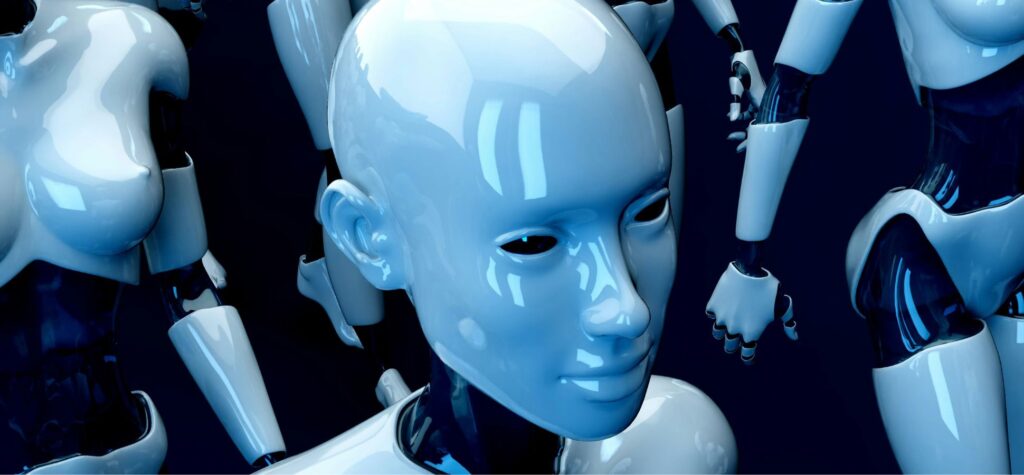
The question of whether AI drains or enhances human purpose isn’t just theoretical. Around the world, organizations and workers are already experiencing both sides of this transformation. Looking at real examples helps us see where collaboration succeeds and where it falters.
A Tech Firm That Augmented Human Roles Successfully
At one global software company, AI tools were introduced to assist developers by automating code reviews and suggesting fixes. Instead of replacing engineers, these systems reduced repetitive debugging and gave teams more time to design complex architectures and innovate. Developers reported higher satisfaction because their expertise was not diminished but amplified. This case illustrates how AI can enrich purpose when it handles the mundane and leaves the creative and strategic intact.
When Automation Overshadows Human Contribution
Contrast this with a logistics firm that rapidly implemented AI-driven scheduling and monitoring systems. While efficiency improved, employees felt stripped of autonomy. Daily routines became dictated by algorithmic decisions, and workers described their jobs as “just following machine instructions.” Absenteeism rose, and morale declined, highlighting how automation can hollow out meaning when workers are reduced to mere extensions of a system.
A Worker’s Perspective on Hidden Digital Labor
Consider the experience of a freelancer engaged in content moderation for a major platform. Their work involved filtering harmful material flagged by AI, often at a relentless pace with little acknowledgment. The pay was modest, and the tasks emotionally taxing. Despite being critical to the platform’s safety, the worker felt invisible. This case underscores how AI systems often depend on unseen human contributions that carry heavy emotional and psychological burdens without offering meaningful recognition.
These stories reveal a critical lesson: purpose is not automatically preserved through human AI collaboration. It depends on how organizations design roles, how workers are treated, and whether humans remain central to problem-solving, creativity, and ethical decision-making.
Why This Matters for Organizations, Leaders, and Policymakers — Practical Stakes and ROI
The stakes extend far beyond individual dissatisfaction. If AI drains purpose at scale, organizations risk declines in engagement, retention, and innovation. Employees who feel disconnected from their work are more likely to leave, driving up turnover costs and weakening institutional knowledge.
Leaders who view AI only through the lens of efficiency miss a broader truth: meaning is a measurable driver of productivity. Studies show that employees who find purpose in their roles demonstrate higher resilience, creativity, and commitment. When purpose erodes, organizations may achieve short-term savings but undermine long-term competitiveness.
At a societal level, policymakers face parallel challenges. If millions of workers feel reduced to machine overseers or hidden digital laborers, social cohesion and trust may erode. That risk is not abstract—it could manifest in rising inequality, declining mental health, and political unrest fueled by disillusionment with work.
For leaders and policymakers alike, the lesson is clear: preserving human purpose in AI collaboration is not a “nice-to-have.” It is a strategic and ethical imperative. Measuring both productivity and meaning together may become the new standard for sustainable success.
A Framework to Design Human AI Collaboration That Preserves Purpose
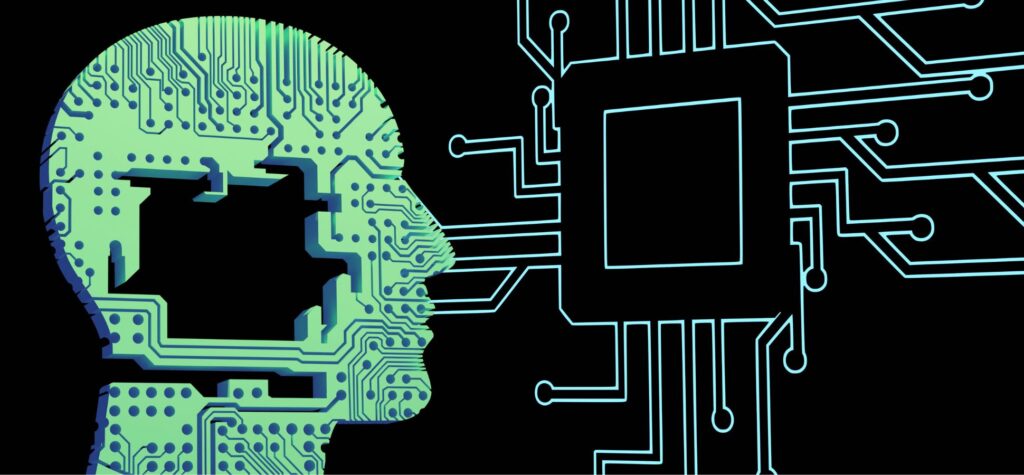
The crisis of purpose in human AI collaboration is not inevitable. Organizations and leaders can take deliberate steps to ensure that machines augment rather than diminish human roles. A clear framework provides a roadmap for designing collaboration that protects dignity, fosters meaning, and sustains innovation.
Define the Human Value Proposition
The first step is to clarify what humans uniquely bring to the table. Empathy, judgment, ethical reasoning, and creative problem-solving remain irreplaceable. Instead of asking, “What can AI do?” leaders should ask, “What must remain human?” By rewriting job descriptions to highlight uniquely human contributions, companies can ensure that AI supports rather than eclipses workers. For example, in healthcare, AI can analyze scans, but the patient conversation—where empathy and trust are built—must remain with the human clinician.
Co-Design with Workers
Collaboration cannot be imposed from above. Workers need a voice in how AI is integrated into their roles. Co-design sessions, workshops, and pilot programs give employees a chance to share concerns, propose workflows, and shape the implementation. When employees feel they are partners in shaping AI systems, they are more likely to see the technology as a tool that empowers rather than controls them. This approach also builds trust and reduces resistance to change.
Re-Skill and Augment, Not Replace
AI should free humans to focus on higher-value tasks, but that only works if people have the skills to seize those opportunities. Reskilling programs in data literacy, critical thinking, and creative problem-solving are essential. For instance, a manufacturing plant might introduce AI-driven monitoring but also train workers to analyze system outputs, troubleshoot anomalies, and design process improvements. This shifts the role from repetitive monitoring to strategic oversight.
Measure Meaningfulness Alongside Productivity
Organizations often track productivity gains after adopting AI, but rarely measure whether work remains meaningful. New metrics are needed: task complexity, autonomy, and perceived purpose should be tracked as seriously as efficiency. Surveys, employee focus groups, and longitudinal studies can provide data on whether AI-enabled workflows are helping or harming human motivation. What gets measured gets managed—and purpose deserves measurement.
Build Ethics and Guardrails
Finally, collaboration must be anchored in ethics. Dedicated oversight structures—such as ethics committees, bias audits, and employee red-teaming—help ensure that AI deployments respect dignity. Guardrails prevent systems from being designed solely for efficiency at the expense of human agency. Ethical alignment should not be treated as a compliance checkbox but as a core principle of sustainable innovation.
Together, these five steps form a framework for protecting human purpose in the age of AI. They are not abstract ideals but actionable practices any organization can begin implementing today. The difference between AI as a tool for empowerment and AI as a force of alienation depends on whether leaders commit to this deliberate design.
Quick Wins for Individual Workers: How to Protect Your Purpose When Working with AI
Organizations play a central role, but individual workers also need strategies to preserve their sense of meaning as AI reshapes the workplace. Purpose is personal, and small, practical steps can make a big difference.
Workers can start by reframing their roles around tasks that require uniquely human strengths. For example, instead of focusing on routine outputs, they can emphasize problem framing, storytelling, and creative judgment—areas where AI struggles.
Developing AI literacy is another powerful tool. By understanding how systems function and where they fail, workers gain confidence and position themselves as valuable collaborators rather than passive users.
Ownership of outcomes is equally important. Instead of viewing themselves as merely approving machine outputs, workers can take charge of end-to-end processes, ensuring that their human signature is visible in the final product.
Finally, workers can negotiate role changes that expand their autonomy and highlight their contributions. Even small adjustments, such as leading client conversations or presenting project results, can restore a sense of narrative and agency.
In short, by actively shaping how they engage with AI, individuals can guard against purpose erosion and carve out spaces where their humanity remains essential.
What Leaders Should Avoid Common Implementation Mistakes That Hollow Out Purpose

Leaders often fall into patterns that unintentionally strip meaning from work when integrating AI. Breaking these down into clear categories makes the risks easier to see.
Using AI Only for Cost-Cutting
When technology is introduced solely to reduce expenses or headcount, employees feel disposable. Purpose cannot thrive in an environment where efficiency is valued above people.
Hiding Automation Plans
Failing to communicate clearly about AI adoption leaves workers in uncertainty. This lack of transparency undermines trust and fuels disengagement.
Narrowing Success Metrics
When productivity is the only yardstick, human contributions risk being overshadowed. Purpose needs to be measured alongside performance.
Neglecting Feedback Loops
AI systems deployed without mechanisms for worker feedback strip employees of agency and deprive organizations of critical insights.
Counterarguments and Nuance Addressing Skepticism and Tradeoffs
The debate over AI and human purpose is not one-sided. Some experts emphasize benefits, while others stress risks. Looking at both perspectives provides balance.
AI as a Liberator from Drudgery
Automation can relieve humans of repetitive tasks, freeing them to focus on creativity, strategy, or care work—roles rich with meaning.
Purpose Redefined, Not Lost
Work has always evolved with technology. Just as the industrial revolution reshaped labor, AI may push humans into new domains rather than erasing purpose.
Unequal Distribution of Benefits
Not all workers will experience AI as an upgrade. Many may find themselves in fragmented or precarious roles, raising issues of fairness and inequality.
The Need for Deliberate Choices
Whether AI enhances or erodes purpose depends on design, governance, and intent. Purpose is not guaranteed—it must be actively protected.
Frequently Asked Questions
Readers often have recurring questions about human AI collaboration. Here are concise answers to some of the most common ones.
Will AI replace humans or just tasks?
AI is more likely to replace tasks rather than entire jobs. Roles will shift, with humans focusing on areas that require creativity, empathy, and complex judgment.
How does human AI collaboration affect job meaning?
Collaboration can enrich purpose if it frees humans for higher-value work, but it risks eroding meaning when people are reduced to passive overseers of machines.
Which jobs are most resilient to AI?
Professions centered on empathy, creativity, and hands-on dexterity—such as caregiving, counseling, and skilled trades—are among the least likely to be automated.
How can organizations preserve purpose during automation?
By designing roles around human strengths, involving workers in AI adoption, offering reskilling, and measuring meaning alongside productivity.
What metrics can measure meaningful work?
Organizations can track autonomy, task complexity, and employee perceptions of purpose in addition to standard efficiency metrics.
Reclaiming Purpose in the Age of Machines
AI does not have to drain our sense of meaning—it can become the catalyst for a deeper human role in work, society, and innovation. The difference lies in how we choose to design collaboration. If leaders implement AI with a narrow focus on efficiency, they risk stripping jobs of dignity and hollowing out purpose. But if they center humans in the process—defining unique contributions, co-designing systems, and measuring meaning as seriously as productivity—AI can amplify what makes work worthwhile.
The future of human AI collaboration is not about replacement. It is about responsibility. Each organization, policymaker, and worker faces a choice: will machines serve as tools that strengthen our purpose, or as forces that erode it? The answer depends on the frameworks we build today.
The collaboration crisis is real, but so is the opportunity. By reclaiming purpose in the age of machines, we can ensure that AI becomes not the end of human value but the next chapter in its evolution.