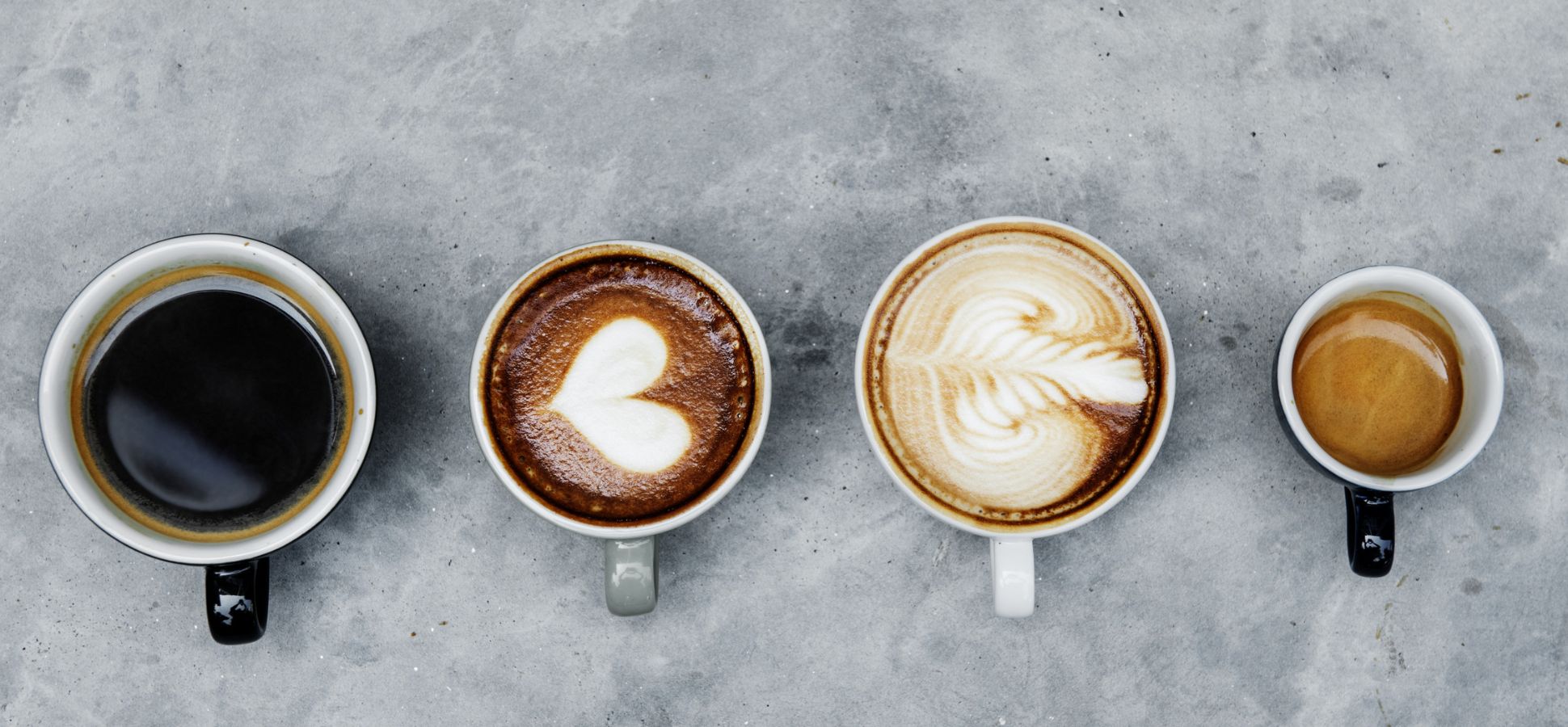
A standard 8-ounce cup of coffee generally contains between 95 mg and 165 mg of caffeine. Variations in bean type, roast level, grind size, and brewing method account for this range. Knowing how much caffeine in a cup of coffee lets you balance energy boosts with better sleep and sustained focus.
Few daily rituals rival that first sip of morning coffee, its aroma, warmth, and instant lift invigorate both body and mind. But beyond the immediate pick-me-up, research shows that your daily brew may offer lasting benefits for metabolism, cognition, and even longevity.
Caffeine Content in Coffee
What Determines Caffeine Levels?
Several factors influence how much caffeine in coffee ends up in your cup:
- Bean variety (Arabica vs Robusta)
- Roast level (lighter roasts tend to preserve more caffeine)
- Grind size and water temperature
- Brew method (espresso, drip, French press, cold brew)
These variables mean that two cups of “coffee in shop” can yield vastly different caffeine doses. By unpacking these factors, you’ll know what to expect every morning.
Average Caffeine Content by Brew Method
Here’s a concise look at how caffeine content stacks up across popular brewing styles:
| Brew Method | Typical Serving Size | Approx. Caffeine (mg) |
| Drip Coffee | 8 fl oz | 95–165 |
| Espresso | 1.5 fl oz | 63–75 |
| Cold Brew | 12 fl oz | 150–200 |
| French Press | 8 fl oz | 80–135 |
| Ryze Mushroom Coffee | 8 fl oz | 50–80 |
This table underscores why drip coffee generally delivers more caffeine than a shot of espresso, despite espresso’s concentrated flavor.
Why “How Much Caffeine in a Cup of Coffee” Matters?
Understanding your intake how much caffeine in coffee you consume,lets you balance energy boosts with potential side effects like jitteriness or disrupted sleep. Tracking your daily total supports better timing and portion control.
Health Benefits of Coffee: A Deep Dive

Cognitive Boost and Mood Enhancement
Caffeine stimulates adenosine receptors in the brain, reducing fatigue and sharpening focus. Regular, moderate coffee drinkers report improved attention and reaction time throughout the day.
Metabolic Effects and Longevity
Long-term studies link moderate coffee consumption (3-4 cups daily) with reduced risk of type 2 diabetes, Parkinson’s disease, and certain cancers. Antioxidants like chlorogenic acids support metabolic health and may slow aging.
Benefits of Coffee for Men
Men in particular reap cardiovascular perks:
- Improved blood vessel function
- Lowered risk of stroke
- Enhanced exercise performance through increased fat oxidation
Whether you’re strength training or chasing a sales goal, that cup can go further than you think.
Safety Considerations and the Legal Age to Drink Coffee in USA
Is There a Legal Age to Drink Coffee in USA?
Unlike alcohol or tobacco, coffee remains unregulated by age at the federal level in the USA. Individual shops or schools may have policies, but no nationwide “legal age to drink coffee in USA” exists. Parents often introduce gentle brews around adolescence, monitoring for sensitivity.
Recommended Daily Limits
The FDA recommends up to 400 mg of caffeine per day for most healthy adults roughly four to five cups of drip coffee. Pregnant or nursing individuals should cap at 200 mg daily. Exceeding these limits can trigger anxiety, insomnia, and rapid heart rate.
Managing Sensitivity and Tolerance
Caffeine metabolism varies. Genetics, liver enzyme activity, and concurrent medications (like certain SSRIs) all play roles. If you notice tremors, a racing pulse, or gastrointestinal upset, consider cutting back or switching to a lower-caffeine option like decaf or mushroom coffee.
Exploring Specialty Coffees: From Mushroom Coffee to Artisan Brews

Ryze Mushroom Coffee: Benefits and Considerations
Ryze mushroom coffee blends coffee extract with functional mushrooms like Lion’s Mane and Chaga. Benefits include:
- Gentler caffeine release, reducing jitters
- Neuroprotective compounds that support memory
- Adaptogenic effects that modulate stress
It typically contains less caffeine than standard brews around 50-80 mg per cup, making it ideal for sensitive drinkers.
Coffee in Shop vs Home Brew
Ordering your latte at a café offers convenience and expert extraction. Yet home brewing saves money and lets you fine-tune grind size, water temp, and brew time. Investing in a quality at-home setup pays dividends in flavor and consistent caffeine dosing.
Pairing Coffee with Nutrition
To harness coffee’s perks without a cortisol spike, consider pairing your cup with balanced nutrition. A small protein snack or healthy fat can stabilize blood sugar and extend that energy boost. For more on balancing stress hormones, check our guide on supplements to reduce cortisol in a dedicated deep dive.
Choosing the Best Coffee Makers 2025
Key Features to Look For
When selecting your next coffee maker, prioritize:
- Brew precision (temperature control, micro-pressure)
- Versatility (espresso, drip, pour-over)
- Ease of cleaning and maintenance
- Built-in grinder vs. manual option
- Smart features (app connectivity, scheduling)
Top Picks for 2025
Here’s our curated list of the best coffee makers 2025 can deliver:
| Model | Type | Key Features | Price Range |
| AeroPress Go | Manual Brew | Portable, rapid brew, versatile | $35–$45 |
| Breville Barista Pro | Espresso Machine | PID control, built-in grinder | $700–$800 |
| Technivorm Moccamaster KBGV Select | Drip Coffee Maker | 92–96 °C brew, fast 6-cup cycle | $300–$350 |
| OXO Brew Conical Burr Grinder | Grinder | 15 grind settings, consistent | $170–$200 |
| iCoffee App-Enabled Drip Brewer | Smart Drip Maker | App scheduling, brew strength | $120–$150 |
These machines address every budget and skill level from the traveling barista to the at-home connoisseur.
Maximizing Your Coffee Experience: Tips and Strategies

Timing Your Coffee Intake
For most adults, the optimal window to drink coffee is between 9 AM and 11 AM, when natural cortisol levels dip. Avoid caffeine six hours before bedtime to preserve sleep quality.
Pairing with Supplements and Nutrition
Coffee and protein can form a powerful duo. For instance, blending a small scoop of a high-quality protein powder can smooth out the caffeine spike and support muscle recovery. Discover expert-tested options in our best protein powders guide.
Creative Coffee Rituals
- Try a midday bulletproof coffee: coffee blended with MCT oil and grass-fed butter for lasting energy.
- Experiment with spiced lattes: turmeric, cinnamon, or cardamom add antioxidants and unique flavor.
Conclusion
Your daily cup of coffee is more than a simple ritual, it’s a source of sustained focus, metabolic support, and long-term wellness when enjoyed thoughtfully. By choosing the right bean, dialing in your brew method, experimenting with options like Ryze mushroom coffee, and timing each cup to suit your rhythm, you turn an everyday habit into a performance booster. Keep track of your caffeine intake, stay within healthy limits, and pair your coffee with balanced nutrition to maximize every sip.
For more science-backed insights and practical guides that elevate your routine, stay connected with Grey Journal.
Frequently Asked Questions (FAQs)
1. How much caffeine in coffee is too much per day?
Most healthy adults can safely consume up to 400 mg of caffeine daily (roughly four cups of drip coffee). Sensitive individuals may need to limit intake to 200 mg.
2. What are the benefits of coffee for men’s health?
Regular coffee consumption may lower risk of stroke, improve blood vessel function, boost exercise performance, and provide neuroprotective antioxidants.
3. Is there a legal age to drink coffee in USA?
There’s no federal legal age. Some schools or coffee shops set their own guidelines, but nationwide regulation does not exist.
4. How does Ryze mushroom coffee differ from regular coffee?
Ryze blends functional mushroom extracts with coffee, offering lower caffeine per cup (50-80 mg) and adaptogenic benefits like stress modulation and cognitive support.
5. Which coffee makers are considered the best coffee makers 2025?
Top picks include the AeroPress Go for portability, Breville Barista Pro for high-end espresso, Technivorm Moccamaster for precision drip, and app-enabled smart brewers for convenience.