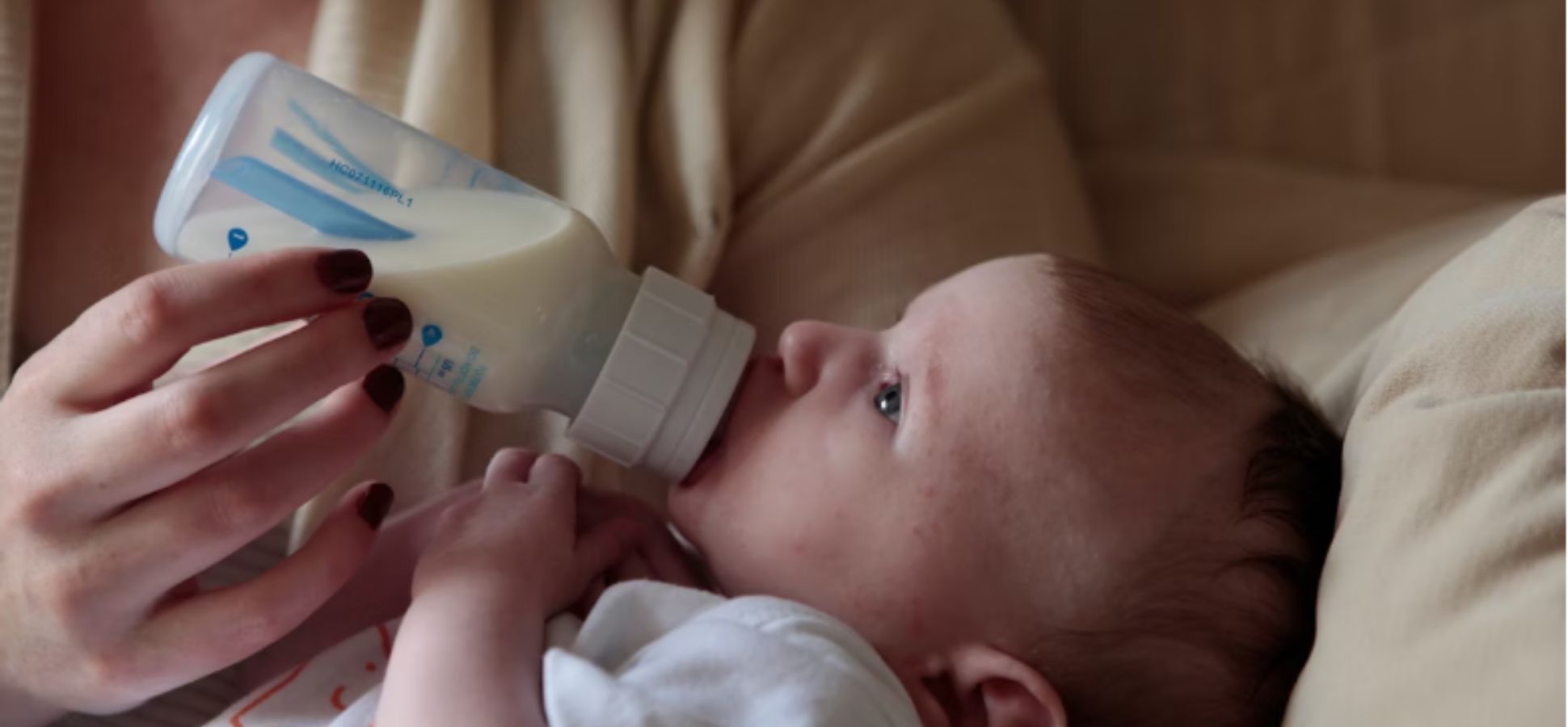
A sharp rise in US parents choosing European baby formulas now shapes how stores stock shelves and founders develop brands.
Questions come up everywhere. Why switch from familiar US brands? What draws families to import tins across the Atlantic?
This guide unpacks what sets these formulas apart, how demand has shifted since 2022, and what buyers notice about recipes and standards.
Reading further means practical insight for retailers, startup founders, or simply curious caregivers wondering why so many look overseas.
Strict Regulations: EU Organic Standards
Rules for baby formula production in the European Union stand among the toughest worldwide. Producers must use certified organic milk, never genetically modified ingredients, and zero synthetic pesticides from farm to tin.
Every batch traces back to its origin. And, only nutrients like vitamins, minerals, and DHA make the cut as additives.
Popular names include HiPP, often topping US import charts. Holle, Lebenswert, and Kendamil each bring their own twist on what counts as clean nutrition.
Nonetheless, caregivers should still take time to compare ingredient lists and customer reviews when picking an organic baby formula across brands now available stateside.
Breastmilk-Mimicking Lactose-First Recipes
During infancy, the digestive system is still pretty tender and sensitive. European formulas take this seriously, using lactose as the primary carbohydrate—just like breast milk does.
Instead of corn syrup or maltodextrin, which show up in many US blends, these recipes keep ingredients simple and familiar to a baby’s body. Prebiotics and probiotics often make an appearance too, for gut support.
This focus helps babies adjust more easily without extra digestive stress early on.
Stage-Based Formulas Fit for Every Age
Babies need different nutrients as they grow. European brands solve this by offering formulas tailored to newborns, infants, and toddlers in clear stages. This takes the guesswork out of matching nutrition with a baby’s age.
When you are trying to balance motherhood and business life or work life, the last thing you want is sorting through endless options. With EU labels spelling out what each stage supports, parents find it simpler to pick exactly what their child needs right now.
Ingredient Transparency and Simpler Labels
Trust grows when you can see exactly where your baby’s food comes from. European formulas trace every step, from farm to finished product, making this information available for regulators and consumers alike.
As noted, simple ingredient lists put everything out in the open. American parents spot what is inside at a glance without deciphering complex labels or hidden sources.
Knowing each batch passes through strict checkpoints adds another layer of confidence to daily feeding routines.
Shifts in Post-2022 Availability and Imports
Shelves ran empty across many states during the 2022 baby formula shortage crisis. This sudden gap made parents look for alternatives, and European brands saw a huge jump in demand.
Since then, retailers and importers have worked to streamline how these products reach American homes. Government agencies relaxed some rules to let trusted EU formulas fill shortages faster.
Now that imports are more routine, caregivers enjoy greater choice and less anxiety about access—even if supply hiccups happen again down the road.
Perceived Quality versus Domestic Brands
A parent’s peace of mind often rests on small details. When looking beyond US-made options, families notice what sets EU formulas apart… besides regulations.
Here are some features parents point to most:
- Hypoallergenic choices for babies with sensitivities
- Easy-to-digest blends that avoid extra fillers
- Prebiotics and probiotics similar to those in breast milk
- Minimal processing from start to finish
All these factors work together to build trust. American buyers increasingly see European baby formula as a step up in quality, not just a substitute during shortages.
Pricing Pressures and Consumer Value Choices
High grocery bills are now a reality for most families, let’s face it. European formulas often cost more up front, but some parents say the value shows in what their baby gets—fewer additives, organic ingredients, better digestibility.
When shoppers see fewer doctor visits or less spit-up after switching, paying a little extra feels worth it.
This is not to forget factors like:
- Import duties,
- Shipping from Europe,
- Premium organic certifications,
- And smaller distribution.
… all of which contribute to the slightly higher cost.
With clear info on where every dollar goes and what’s inside each tin, families make more confident decisions despite tighter budgets.
Conclusion:
A closer look at European baby formulas gives parents and retailers clear reasons for their rising appeal. By understanding what shapes these choices, anyone involved in infant care or supply decisions stands better equipped to meet evolving needs and answer the most pressing questions with confidence.