
With the rise of smartphones and app-based payments, we have reduced our reliance on physical bank branches and as we continue to adapt to global trends, we have quickly embraced mobile payments, creating digital financial independence for banks.
How Smartphones Revolutionized Mobile Payments
The introduction of smartphones fundamentally transformed the landscape of mobile payments. It was the rise of smartphones and app-based ecosystems that truly revolutionized how people manage their finances and make transactions.
Consumers could simply tap their phone on a payment terminal, using apps like Apple Pay, Samsung Pay, or Google Wallet. In-app payments became popular with companies like Uber, Amazon, and Starbucks integrating seamless payment systems directly into their mobile apps. This embedded payment experience made purchasing goods and services more convenient, removing the friction of manually entering card details or handling cash.
Mobile payment adoption has varied significantly by region. Countries in Asia, particularly China, led the way in mobile payment integration. Platforms like Alipay and WeChat Pay became dominant in China, where mobile payments became so widespread that they often replaced cash entirely in urban areas. In contrast, Western countries saw slower adoption, though markets like the U.S. and Europe eventually embraced mobile payments as smartphone usage increased and merchants adapted to new technologies.
The global success of mobile payments has reshaped not only consumer behavior but also how traditional banks deliver services, forcing them to adapt to remain competitive in this rapidly evolving financial landscape.
Impact on Traditional Banking
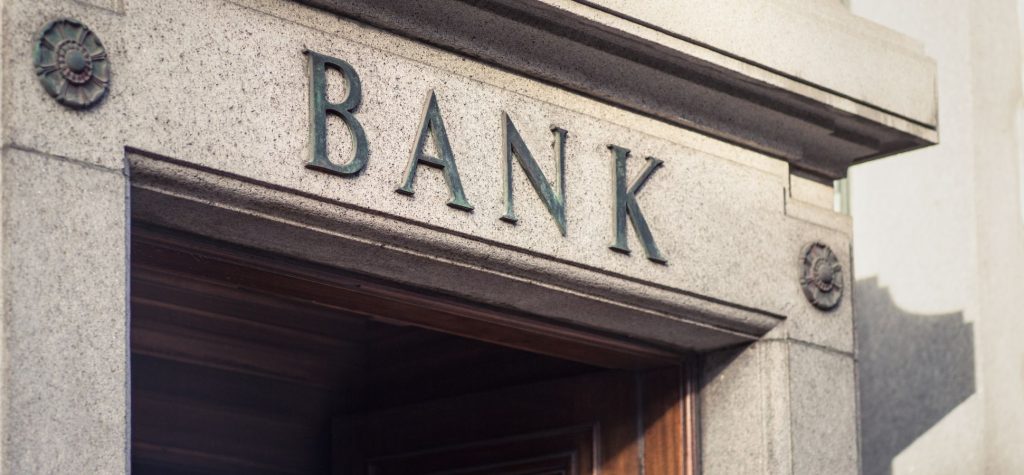
Mobile payments have significantly reduced reliance on physical branches by offering convenient and fast alternatives to in-person banking. Platforms like Venmo, Zelle, and PayPal allow users to send and receive money instantly, eliminating the need to visit a bank for transactions. Customers can also pay bills, split payments, and manage their finances from their smartphones.
With mobile payment apps, users can perform banking tasks at any time without being restricted by bank hours. This makes it possible to manage finances on the go, without requiring trips to a physical location.
Services like Apple Pay and Google Pay enable users to store payment information and make purchases at retail locations without using cash or cards.
Mobile banking apps provide users with features to check balances, set up direct deposits, transfer funds, and monitor transactions without needing to interact with a bank teller. Many banks also offer mobile customer support, further reducing the need for branch visits.
Wrapping up
In summary, mobile payments have made financial services more accessible and less reliant on the physical infrastructure of traditional banking. It has impacted traditional banking by reshaping how consumers interact with financial institutions.
Mobile payments have driven traditional banks to innovate, adapt, and expand their digital services, while also reducing the need for physical bank branches and reshaping the overall financial landscape. The necessity for seamless and secure user experiences has significantly increased the demand for sophisticated mobile banking app development.