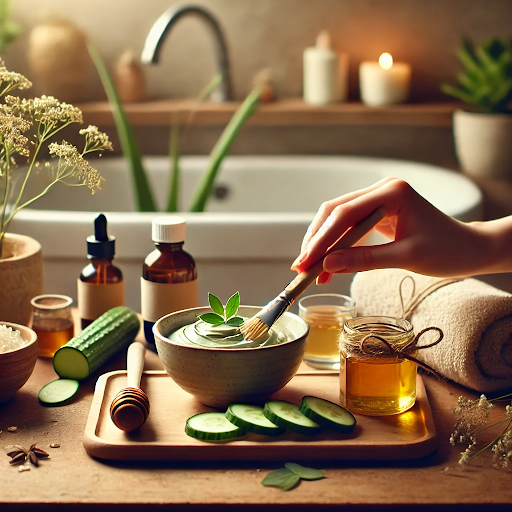
Getting the flawless skin that most of us desire is one task which can sometimes become a real ordeal. Thus one can find oneself lost when there are so many products and treatments out there. But it is also possible to have a very effective and completely organic strategy when it comes to skincare. This article will help you turn your skin into an acne- as well as dullness-free canvas by demystifying your skin type, creating a regimen and using remedies from Mother Nature’s treasure trove.
I. Introduction
Acne is a skin disease that is very prevalent today and inflicts a majority of individuals regardless of their age. It is characterized by blocks or plugs of hair follicles with oil and dead skin cells causing pimples and black and white heads. Such factors as hormonal imbalance, diet, stress, and genetics lead to acne. Organic skin care products and treatments are more preferable as they do not contain the stern chemicals that actually worsen the skin’s conditions and may contribute to other problems.
II. Understanding Your Skin
Different Skin Types
However, one needs to first determine his or her skin type before he or she can fully engage in the practice of engaging in a skincare routine. The main skin types are:The main skin types are:
Oily: The condition marked by over secretion of sebum thus resulting in a shiny skin and widening of the pores.
Dry: Found to be dry, hard and scaly most of the time.
Combination: Typically has oily T-zone (on the forehead, around the nose, and chin) while cheeks could be dry.
Normal: Particles of the cereal had settled evenly on the plate and there were almost no outliers and the texture was uniform.
Sensitive: Sensitive skin; skin that is easily irritated, becomes red and shows signs of inflammation upon exposure to a product or environmental factor.
- Identifying Your Skin Type
How do I know my skin type: Cleanse your face, not using soap and leave it for about an hour/ avoiding any creams or lotions. Observe your skin:
Oily: Gleaming skin but with pinnable pores showing.
Dry: It listed tight or had a harsh feel.
Combination: The skin T-zone is oily and cheek skin type is normal to dry.
Normal: Sure footed, velvety and well-weighted.
Sensitive: Symptoms may include redness of the skin, itching, burning sensations among others.
Common Factors Affecting Skin Health
Several factors can impact your skin health, including:Several factors can impact your skin health, including:
Hormones: This changes may often times be noticed during instances such as puberty, during a woman’s menstrual cycle, when pregnant, and during the menopause stage.
Diet: Sweet products, milk and dairy products, and processed foods result in acne breakouts.
Stress: Higher cortisol levels which in turn makes the skin to produce oil.
Environment: Thus, pollution and exposure to ultra violet radiation ares known to be adversely affecting the skin.
Skincare Products: Chemicals and unsuitable products are likely to cause skin reactions due to irritation.
III. Establishing a Skincare Routine
- Importance of Consistency
- This is why it is very important to develop good skin habits and incorporate a routine that promotes heathy skin into your lifestyle. Skin is typically maintained through a routine schedule: it prevents the uneven distribution of pores and acne, and deals with various issues in the long term.
- How to Set Up a Pattern
- Cleansing: Wash your face cleaning the skin from all the dirt, oil and makeup.
- Exfoliating: Exfoliate your skin to remove layers of dead skin to consequently avoid blockage of skin pores.
- Toning: Regulate the skins acidity level.
- Moisturizing: Moisturise and preserve the skin.
- Sun Protection: To a certain extent protect the skin from dangerous rays of the sun.
IV. Cleansing
- Choosing the Right Cleanser
- Choose a mild, non-asisntic soap that will be appropriate for your skin’s sensitivity level. Seek for the gentle products, containing such ingredients as aloe Vera, chamomile and green tea extract since they help to clean the skin and at the same time do not remove the essential oils.
- Natural Ingredients for Cleansing
- Aloe Vera: Heat and inflammatory benefits and hand and foot skin health.
- Honey: Natural antibacterial properties.
- Chamomile: It has the properties of calming while at the same time reddening.
- Green Tea: Contain antioxidants that help the skin.
- Proper Cleansing Techniques
- Take warm water not hot to ensure that skin is not dried up after taking the wash.
- Using your fingertips, you should work it in a circular motion all over your face.
- Remainder rinse off until clean; gently blot with a soft towel.
V. Exfoliating
Benefits of Exfoliation
Peeling helps to eliminate dead skin cells, open pores, stimulate the proliferation of cells, and thus obtain a clean, milky complexion.
Natural Exfoliants
Sugar: Gentle yet effective.
Oatmeal: Soothes and exfoliates.
Ground Coffee: Makes and peels.
How Often to Exfoliate
On an average, a person whether normal or combination skin should exfoliate twice or thrice a week. One primary disadvantage that skin is prone to get irritated and break out if it is over exfoliated.
VI. Moisturizing
- Importance of Hydration
- Social: moisturizing helps in maintaining skin moist which helps in avoiding dry skin and helps in maintaining the barriers of the skin.
Natural Moisturizers
- Shea Butter: Very moisturizing and calming to the skin.
- Jojoba Oil: Some of the benefits are That it contains checks and balances oil production.
- Coconut Oil: Moisturizes the skin and has anti bacterial effects.
- Aloe Vera Gel: It moisturises and calm.
Best Practices for Moisturizing
- After bathing apply the moisturizer as it is best to apply it when the skin is wet in order to help it retain the moisture.
- For day use apply light weight formula and at night apply rich formula.
- Concentration should be given to areas normally affected by drying.
VII. Targeting Acne
Natural Remedies for Acne
There are natural ways to manage the skin condition without using chemicals that might erode the skin in the process.
Ingredients to Look For
- Tea Tree Oil: Antibacterial and anti-inflammatory.
- Aloe Vera: Reduces inflammation and promotes healing.
- Honey: Natural antibacterial properties.
- Apple Cider Vinegar: Balances the skin’s pH and has antibacterial effects.
Spot Treatment Techniques
- Apply tea tree oil directly to pimples with a cotton swab.
- Use aloe vera gel as an overnight treatment.
- Dab honey on affected areas for 10-15 minutes before rinsing.
VIII. Diet and Nutrition
Foods that Promote Clear Skin
A balanced diet is crucial for healthy skin. Include:
- Fruits and Vegetables: Rich in vitamins and antioxidants.
- Omega-3 Fatty Acids: Found in fish, flaxseeds, and walnuts.
- Probiotics: Yogurt and fermented foods support gut health.
- Green Tea: Antioxidants that protect the skin.
Foods to Avoid
Certain foods can trigger acne, including:
- High-Glycemic Foods: White bread, sugary snacks, and soft drinks.
- Dairy Products: Can increase sebum production.
- Processed Foods: Contain unhealthy fats and additives.
Importance of Staying Hydrated
Drinking plenty of water flushes out toxins and keeps the skin hydrated. Aim for at least 8 glasses of water a day.
IX. Lifestyle Changes
Stress Management Techniques
Stress can worsen acne. Practice relaxation techniques such as:
- Meditation: Reduces stress and promotes mindfulness.
- Yoga: Combines physical activity with relaxation.
- Deep Breathing Exercises: Calms the mind and body.
Importance of Sleep
Adequate sleep is essential for skin repair and regeneration. Aim for 7-9 hours of sleep per night.
Regular Exercise Benefits
Exercise improves circulation, which helps nourish skin cells. It also reduces stress and promotes overall health.
X. Home Remedies
Popular Home Remedies for Smooth Skin
Several home remedies can enhance your skincare routine:
- Turmeric Mask: Anti-inflammatory and brightening.
- Oatmeal and Honey Mask: Soothes and moisturizes.
- Green Tea Toner: Antioxidant-rich and refreshing.
Step-by-Step Guide to Using These Remedies
- Turmeric Mask:
- Mix turmeric powder with honey and yogurt.
- Apply to the face and leave for 10-15 minutes.
- Rinse with warm water.
- Oatmeal and Honey Mask:
- Combine ground oatmeal with honey.
- Apply to the face and leave for 15-20 minutes.
- Rinse with warm water.
- Green Tea Toner:
- Brew green tea and let it cool.
- Apply with a cotton pad or spray bottle.
XI. Avoiding Common Mistakes
Over-Washing and Over-Exfoliating
Washing your face too frequently or exfoliating too often can strip the skin of natural oils, leading to dryness and irritation. Stick to a gentle routine.
Using Harsh Chemicals
Avoid products with harsh chemicals, fragrances, and alcohol. Opt for natural and gentle formulations like those offered by Villiers Valley.
Picking or Squeezing Acne
Picking at acne can lead to scarring and infection. Use spot treatments and let pimples heal naturally.
XII. When to Seek Professional Help
Signs That You Need to See a Dermatologist
- Severe acne that doesn’t improve with home care.
- Persistent redness, swelling, or pain.
- Scarring from acne.
- Unusual skin changes or growths.
Treatments That May Be Recommended
A dermatologist can offer various treatments, including:
- Prescription medications (topical or oral).
- Chemical peels.
- Laser therapy.
- Cortisone injections.
XIII. Conclusion
Achieving clear and smooth skin naturally requires understanding your skin type, maintaining a consistent skincare routine, and incorporating natural remedies. Remember to be patient and consistent, as natural skincare takes time to show results.