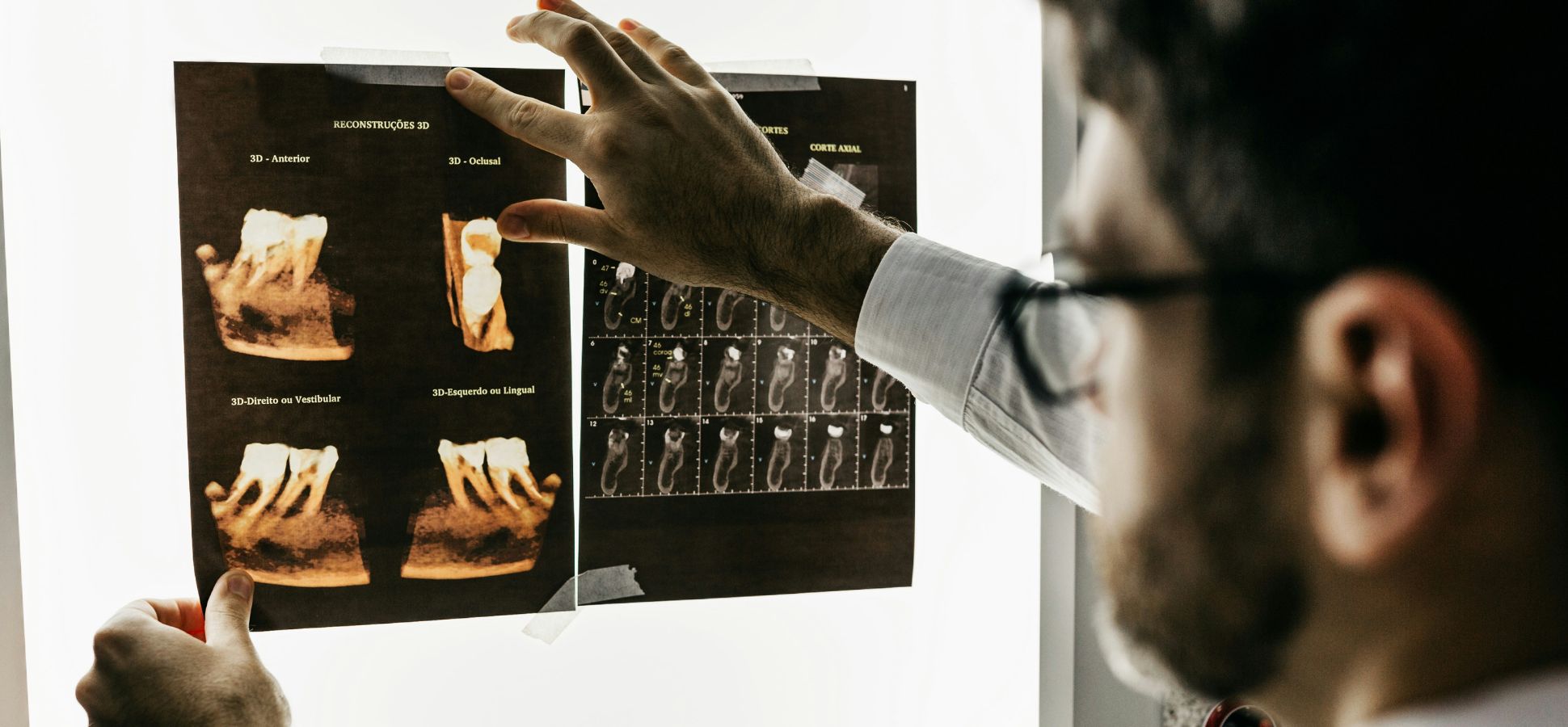
Car accidents can cause many different types of injuries, and dental injuries from car accidents are some of the most painful and disruptive. When a person is involved in a car accident, the sudden impact can lead to damage to the mouth and teeth. Understanding these injuries and their long-term effects is important for both prevention and treatment. This article will explore common dental injuries from car accidents and what to expect in the long term.
Types of Dental Injuries
1. Chipped or Fractured Teeth
One of the most common dental injuries in car accidents is chipped or fractured teeth. This can happen when a person’s mouth hits the steering wheel, dashboard, or another hard surface. Even a small chip can cause pain and sensitivity, especially if it exposes the inner layers of the tooth.
2. Knocked-Out Teeth
A severe impact can knock teeth out of the mouth entirely. This is called tooth avulsion. If this happens, it’s crucial to seek dental care immediately. Sometimes, if the tooth is properly preserved and reinserted quickly, it can be saved.
3. Dislodged Teeth
Teeth can also be dislodged, meaning they are pushed out of their normal position. They might be pushed deeper into the jaw (intruded) or moved sideways (extruded). These injuries often require immediate dental treatment to reposition and stabilize the teeth.
4. Cracked Teeth
Cracked teeth can result from the stress and pressure during a car accident. Cracks can vary in severity, from minor surface cracks to deep fractures that affect the tooth’s root. Deep cracks can lead to infection and may require extensive dental work.
5. Root Fractures
A root fracture occurs when the crack begins in the root of the tooth and moves towards the crown. This type of injury can be difficult to detect without an X-ray. Root fractures often require complex treatment and may sometimes lead to tooth loss if the damage is severe.
Long-Term Consequences
1. Chronic Pain and Sensitivity
Many dental injuries can lead to long-term pain and sensitivity. For example, a cracked or chipped tooth might be sensitive to hot and cold temperatures. Pain can persist even after treatment if the damage is extensive.
2. Infection
If dental injuries are not treated promptly, there is a risk of infection. An untreated crack or fracture can allow bacteria to enter the tooth, leading to an abscess. Infections can spread to other parts of the body, making it essential to address dental injuries as soon as possible.
3. Tooth Loss
In severe cases, dental injuries from car accidents can result in tooth loss. This can happen immediately during the accident or later due to complications like infection or severe root damage. Losing teeth can affect a person’s ability to eat and speak properly and can also impact their self-esteem.
4. Need for Extensive Dental Work
Long-term dental treatments may include crowns, bridges, root canals, or even dental implants. These procedures can be time-consuming and expensive. For instance, a knocked-out tooth might need to be replaced with a dental implant, which involves surgery and multiple dental visits.
5. Impact on Jaw and Bite Alignment
Injuries that dislodge or fracture teeth can affect the alignment of the jaw and bite. This can lead to long-term issues with chewing and may cause pain in the jaw joint, known as temporomandibular joint (TMJ) disorder. Misalignment can also lead to uneven wear on the remaining teeth.
Preventive Measures
1. Wearing Seat belts
One of the simplest and most effective ways to prevent dental injuries in car accidents is by wearing a seat belt. Seat Belts help to restrain the body and reduce the risk of hitting the dashboard or steering wheel.
2. Using Airbags
Airbags can provide additional protection by cushioning the impact and reducing the force on the face and mouth. Ensuring that your car’s airbags are in working condition is a key preventive measure.
3. Proper Headrest Position
Adjusting the headrest to the correct height can help prevent whiplash and reduce the risk of head and dental injuries. The headrest should be level with the top of your head and as close to the back of your head as possible.
4. Regular Dental Check-Ups
Regular dental check-ups can help detect any issues early and ensure that your teeth are strong and healthy. Strong, healthy teeth are less likely to suffer severe damage in an accident.
Takeaways
Dental injuries from car accidents can have serious and long-lasting consequences. From the initial pain and trauma to the potential for long-term dental issues, these injuries should not be taken lightly. Immediate dental care is crucial for the best outcomes. Preventive measures like wearing seat belts and using airbags can help reduce the risk of these injuries. By understanding the types of dental injuries and their long-term effects, individuals can take steps to protect their dental health and seek appropriate treatment when necessary.