Welcome to a vibrant journey back in time, where the beats were as compelling as the fashion. The ’90s rave scene was more than just a musical movement; it was a cultural phenomenon that brought together people from all walks of life to celebrate peace, love, unity, and respect (PLUR). This guide dives deep into the colorful and flashy world of ’90s rave fashion, exploring its roots, elements, and the iconic staples that defined a generation.
General Concept of ’90s Rave Fashion

Rave fashion in the ’90s was an integral part of rave culture, standing out for its bright colors, unique accessories, and the freedom it symbolized. It reflected the essence of dancing and enjoyment, creating a visual spectacle that matched the energetic beats and rhythms of electronic music.
Historical Context
The rave culture found its footing in the late 1980s in England, initially celebrated through acid house parties. These gatherings, often held in secret locations to skirt the law, were the birthplace of a new form of expression. As rave culture spread globally, it evolved from underground parties to a mainstream phenomenon, closely tied to electronic music genres like house, techno, and trance. This era was marked by the use of psychedelic drugs, which influenced the sensory experiences of rave-goers and, by extension, the fashion.
Fashion Elements

’90s rave fashion was distinctive for its use of bright colors, Kandi bracelets, face and body paint, and baggy clothes. These elements were not just about style; they were expressions of PLUR, the defining tenet of rave culture.
Essential Clothing Pieces
- Wide Leg Pants: These were favored for their comfort and the illusion of motion they created, enhancing dance moves.
- Rave Visors: Clear plastic visor hats became essential for their practicality and style, protecting eyes from the rave’s intense lights.
- T-Shirts: The iconic smiley face shirts became synonymous with acid house music, embodying the era’s optimistic spirit.
- Shoes: Footwear choices varied widely, from track shoes suited for dancing to bold shoes and boots that made fashion statements.
Accessories

- Sunglasses: Colored or tinted lenses were popular for their funky look and functionality.
- Kandi Bracelets: These symbolized love and friendship, each piece uniquely crafted to represent personal symbols or messages.
- Pacifiers: A quirky accessory used to prevent teeth grinding, a common side effect of ecstasy use.
- Bags and Backpacks: Small, colorful backpacks and fanny packs were practical for carrying essentials.
- Rave Glow Sticks and Lights: Essential for creating mesmerizing visual effects that complemented the music.
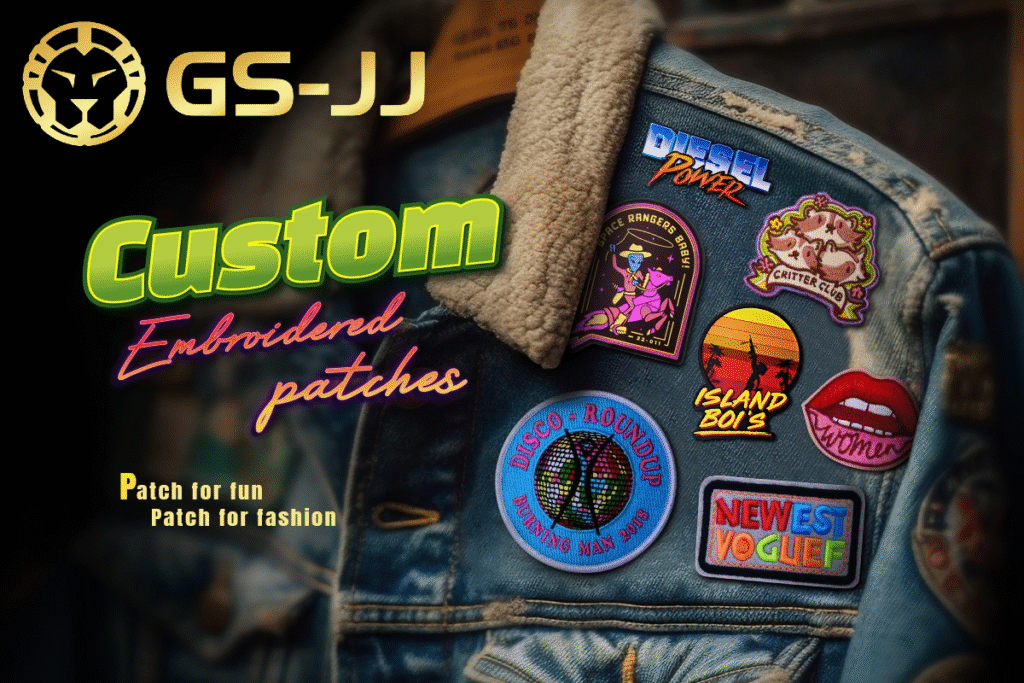
Custom PVC Patches: Sew the neon hues of the ’90s into your look with a custom patch.
You can create a PVC patch with your favorite signature or the neon signs of an old dance club. Customize your patch with your birth year and childhood cartoon characters, making each patch feel like a fragment from an old photo album that captures the boldness of retro fashion while retaining a uniquely youthful secret.
Pin these timeless little pieces on the back pockets of flared jeans, the cuffs of an oversized sweatshirt, or the shoulders of a frayed denim jacket. Wearing one will transport you back to a golden age when details made a statement.
Fashion Assembly Tips
Creating the perfect ’90s rave outfit is about balancing fun, comfort, and flashiness. The goal is to reflect the aesthetics of the music and the inclusive spirit of rave culture. Mix and match bold prints, embrace bright colors, and don’t forget to accessorize to express your unique style.
Frequently Asked Questions
What do you wear to a ’90s rave?
To capture the spirit of a ’90s rave, think bright, baggy, and bold. Wide leg pants, smiley face T-shirts, and an array of colorful accessories like Kandi bracelets and rave visors are your go-tos. Comfort is key, so choose shoes you can dance in all night.
What was the rave culture in the ’90s?
’90s rave culture was a revolutionary movement that celebrated electronic music, dance, and a communal sense of PLUR. It was about breaking free from societal norms, exploring new sensory experiences, and creating a space where everyone could feel welcome and free to express themselves.
What did people wear to raves?
Rave outfits were as diverse as the attendees themselves but shared common themes of vibrancy and freedom. Essentials included wide leg pants, colorful T-shirts, unique accessories (like Kandi bracelets and pacifiers), and comfortable shoes, all chosen to enhance the rave experience both visually and functionally.
The ’90s rave scene left an indelible mark on fashion, music, and culture. Its fashion staples, characterized by vibrant colors, unique accessories, and an ethos of freedom and inclusivity, continue to influence today’s styles. By embracing the spirit of ’90s rave fashion, we celebrate a movement that championed creativity, unity, and the joy of dance.