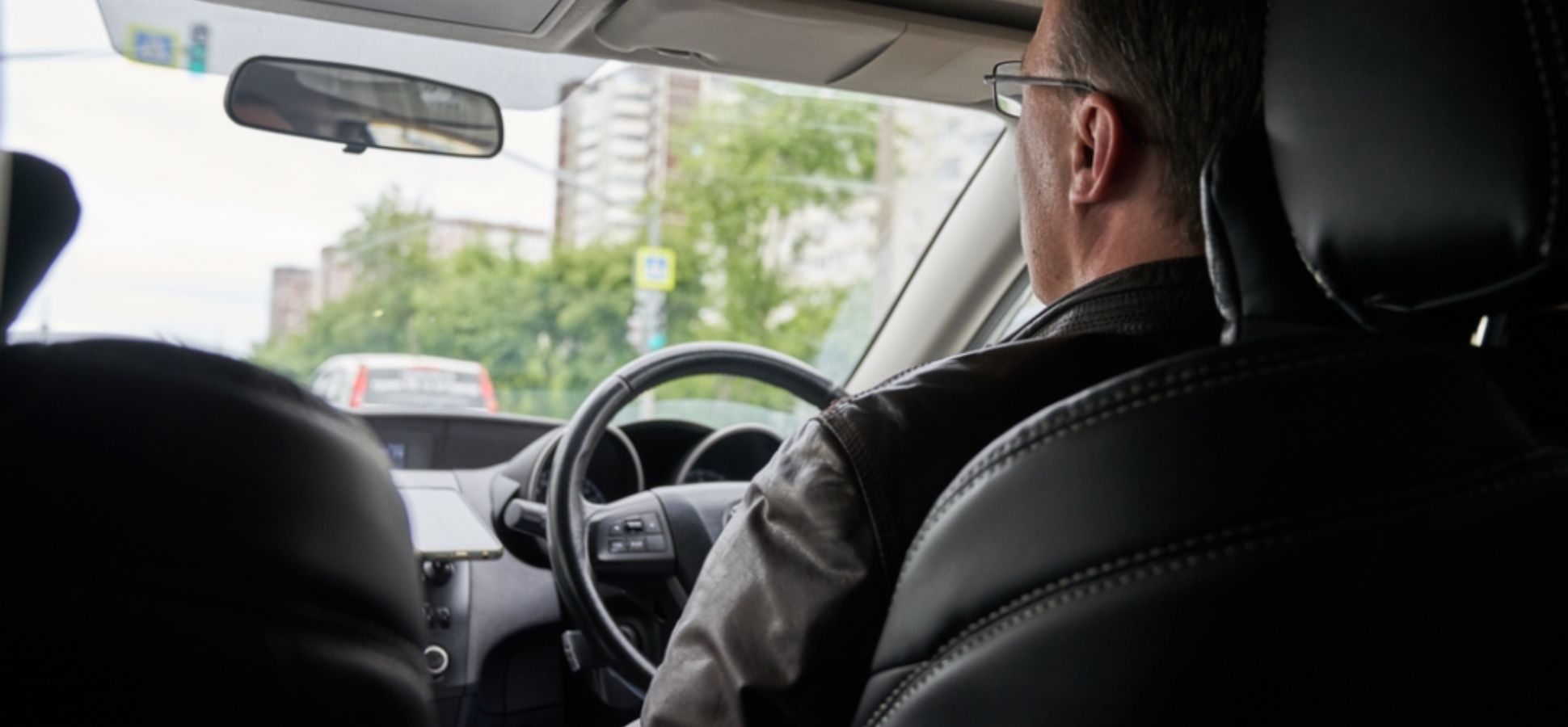
A Lyft crash can leave more than a damaged car behind. It can create a legal puzzle involving the driver, the rideshare company, another motorist, or even a vehicle manufacturer. The name on the car does not always answer the bigger question of responsibility. Arizona has rules that affect rideshare insurance and claims, so the facts around the crash matter.
If you are trying to determine who may be liable for a Lyft accident in Arizona, looking beyond the driver’s seat can give the situation a clearer overall shape. Here are the main parties that may come into the picture.
The Lyft Driver
The Lyft driver is often the first person considered after a rideshare crash. If careless driving caused the collision, the driver may have responsibility for resulting injuries and property damage.
Speeding, running a traffic signal, driving while distracted, or failing to yield can all play a role in a crash. Police reports, witness statements, traffic footage, and other records may help show what happened.
The driver’s status on the Lyft app can also matter for insurance coverage. A driver waiting for a ride request may have different coverage than a driver who has accepted a passenger trip. The details depend on the facts of the accident.
Lyft
Lyft may also be connected to an accident claim, especially through its rideshare insurance coverage. Arizona requires transportation network companies to maintain certain insurance coverage for covered periods of a driver’s work.
That does not mean Lyft is automatically responsible for every crash involving one of its drivers. Responsibility depends on the facts. Insurance coverage and legal liability are related, but they are not always the same thing.
Records showing the driver’s status and trip information may help identify which coverage applies.
Another Driver
A Lyft driver may be involved in a crash without causing it. Another motorist could have been speeding, driving distracted, making an unsafe turn, or breaking another traffic rule.
If another driver caused the collision, that driver’s insurance may become part of the claim. The Lyft driver’s involvement does not automatically shift responsibility to Lyft.
Some crashes also involve shared fault. More than one driver’s actions may have contributed to the collision, making the facts more important than assumptions about who was driving the Lyft vehicle.
The Vehicle Owner
The person who owns the vehicle may also be considered in some accident situations. This can matter if the owner is different from the Lyft driver or another issue involving the vehicle contributed to the crash.
Ownership alone does not establish responsibility for every accident. The driver’s relationship with the owner and the reason for using the vehicle may matter. Insurance records can also show which policies could be connected to the vehicle.
A Government Entity
Road conditions can sometimes contribute to a serious crash. A damaged road, missing sign, faulty traffic signal, or another roadway problem may raise questions about whether a government entity has some responsibility.
Claims involving public entities can have special rules and deadlines. The road problem and other facts may need to be examined before responsibility can be determined.
A Vehicle or Parts Manufacturer
Not every accident is caused by a driver’s conduct. A defective vehicle part may contribute to a crash, such as a problem with the brakes, steering system, tires, or another important component.
If a defect played a role, the manufacturer or another company involved in making or selling the part could become relevant to the claim. Proving a product defect may require technical evidence and a close look at the vehicle.
What Can Help Identify Responsibility?
Several types of information may help establish what happened:
- Police reports and crash scene records
- Statements from drivers and witnesses
- Photos and video from the scene
- Traffic or security camera footage
- Lyft trip and app records
- Vehicle maintenance records
- Insurance information
- Medical and property damage records
These details can help build a clearer record. No single document always answers every question, and evidence may point toward different parties.
A review can also help show which facts support each possible responsibility.
Conclusion
A rideshare crash in Arizona can involve more than the person behind the wheel. The Lyft driver, Lyft, another driver, the vehicle owner, a government entity, or a manufacturer may become relevant depending on the facts. Insurance coverage can also change based on the driver’s activity at the time of the crash.
Determining who may be liable for a Lyft accident in Arizona requires looking at the actual events, available records, and applicable legal rules rather than making assumptions from the company name on the app. Each accident has its own facts, and professional legal analysis may be needed to assess responsibility and available claims.