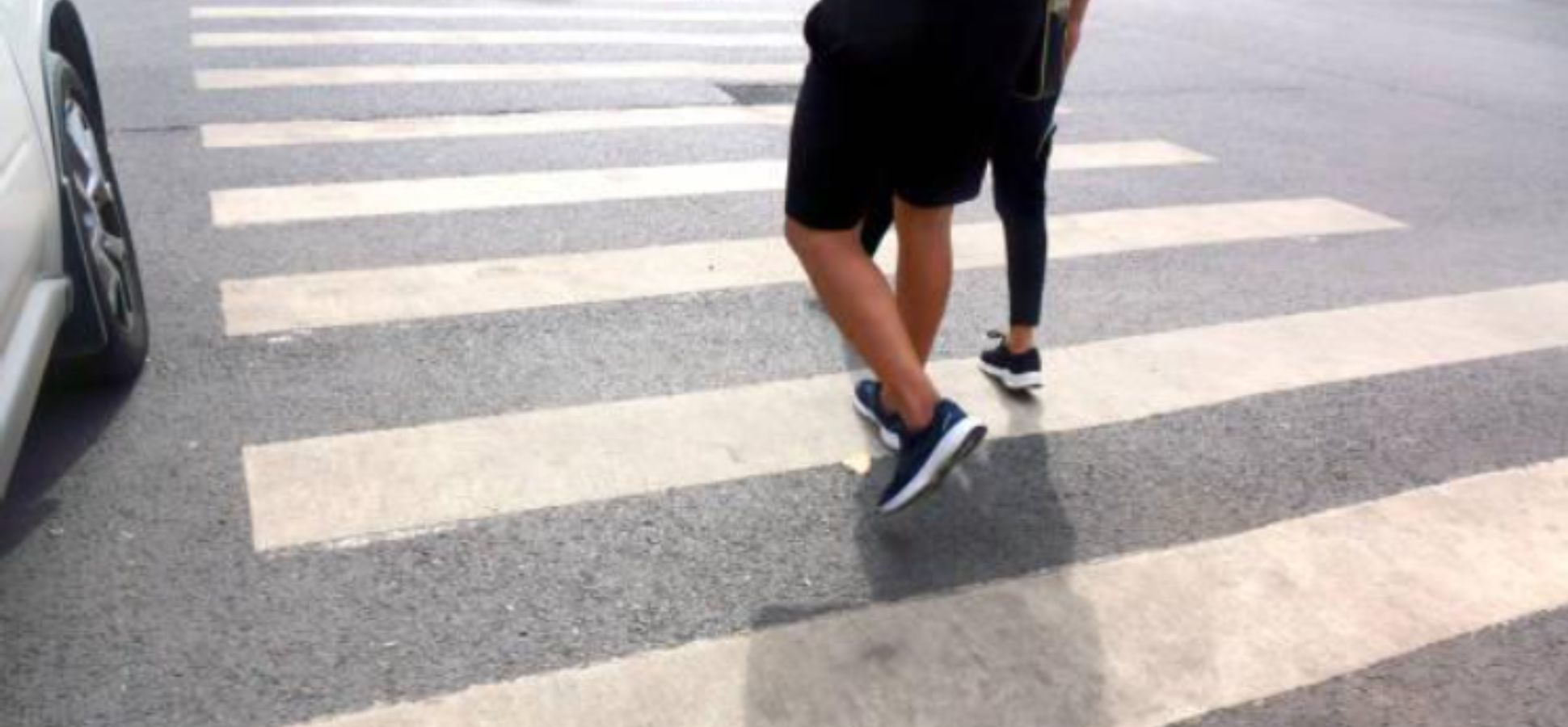
In Washington, D.C., pedestrians enjoy strong right-of-way protections, but they also carry real legal duties when they cross. Knowing both sides helps you stay safe and protect your rights.
The district’s rules cover where you can cross, when you must wait, and how drivers must treat you. They can even decide whether you recover money if a car hits you.
A good place to start is a simple question: what is jaywalking? In D.C., the answer shapes both your safety and any injury claim.
Where and When You Can Legally Cross
D.C. law expects pedestrians to cross at crosswalks and to obey pedestrian signals. The good news is that crosswalks are more common than many people realize.
Under 18 DCMR § 9901.1, every intersection counts as a legal crosswalk, whether or not it has painted lines. You have the same rights in an unmarked crosswalk as in a marked one.
Even so, you should cross only on a “Walk” signal where one exists. Stepping out against a “Don’t Walk” signal puts both your safety and your legal position at risk.
What Counts as Jaywalking in D.C.
Jaywalking is simply crossing in a way the law does not allow. In the District, it remains a fineable offense rather than a decriminalized one.
Common examples include:
- Crossing mid-block between two signalized intersections
- Crossing against a red light or “Don’t Walk” signal
- Stepping into traffic so suddenly that drivers cannot stop safely
Fines under the District’s traffic regulations generally run from $10 to $100, depending on the violation.
Rules Pedestrians Often Overlook
A few D.C. crossing rules catch careful walkers off guard. Missing them can raise your share of the blame after a crash.
You cannot leave a curb into the path of a vehicle too close to stop. Where a sidewalk exists, you are expected to use it rather than walk in the road. At a corner with no signal, treat the crossing as a driver would, and step out only when it is clear.
Drivers Have Duties Too
Pedestrians are not the only ones bound by D.C. crossing laws. Drivers carry heavy responsibilities at every crosswalk in the city.
A driver must stop and yield to anyone crossing or about to cross in a crosswalk. It is also illegal to pass a vehicle that has stopped to let a pedestrian cross.
Drivers who fail to yield can face fines and, in serious cases, even a short jail term. These duties apply at marked and unmarked crosswalks alike.
What Happens If a Driver Hits You
This is where D.C. law gets surprising and where it helps pedestrians. The district normally follows a strict contributory negligence rule, which can deny recovery to anyone even one percent at fault.
For pedestrians, though, the Motor Vehicle Collision Recovery Act of 2016 changed that. Under D.C. Code § 50-2204.52, an injured pedestrian can still recover as long as they were not more than 50 percent at fault. This means even a pedestrian who was partly jaywalking may still have a valid claim. The key question becomes how the fault is divided.
What to Do After a Crash
Quick action after a crash protects both your health and your claim. These steps matter even if you think you share some of the blame.
- Call 911 and report the crash so there is an official record.
- Get medical care right away, even for injuries that seem minor.
- Photograph the crosswalk, the signals, and the vehicle involved.
- Collect names and numbers from any witnesses nearby.
- Speak with a D.C. injury attorney before giving a recorded statement.
Key Takeaways
- In D.C., pedestrians have strong rights but must still follow crossing laws.
- Every intersection is a legal crosswalk, marked or not, under 18 DCMR § 9901.1.
- Jaywalking is still illegal in the District and can bring fines of $10 to $100.
- Drivers must yield at crosswalks and cannot pass a car stopped for a pedestrian.
- A pedestrian hit by a car can recover if they were 50 percent or less at fault.
- Fast action and legal advice help protect an injured pedestrian’s claim.