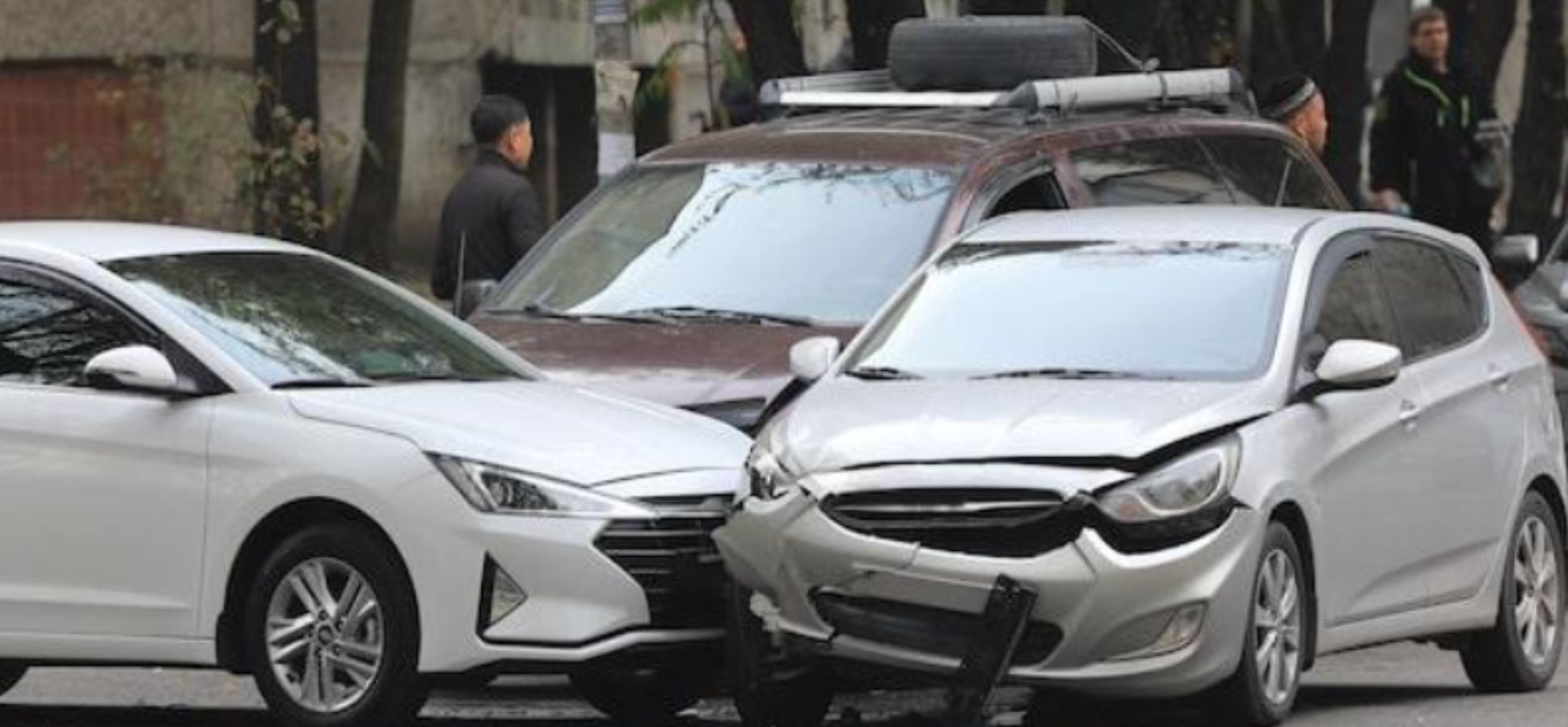
If you’re involved in a crash in an area known for frequent accidents, your first priority is staying safe. Check yourself and your passengers for injuries, move your vehicle to a safe location if possible, and call 911 right away.
Even if the crash seems minor, reporting it and documenting the scene can protect both your health and any insurance or legal claim you may need to make later. If you regularly drive through the most dangerous road intersections, it’s worth understanding why these locations see repeated crashes and how to respond if you’re involved in one.
Areas with poor visibility, confusing traffic patterns, or heavy congestion often have a higher risk of collisions, making it even more important to know what to do before an accident happens.
This guide explains what to do after a crash in an accident-prone area and the steps that can help protect your safety and your rights.
Check for Injuries and Move to Safety
Your health comes before anything else, so take a moment to check yourself and your passengers before doing anything else. Look for pain, dizziness, or visible injuries, even if they seem minor at first.
If the car is drivable and it’s safe to do so, move it out of the flow of traffic. Staying in an active lane, especially in a high-crash area, puts you at risk of a second collision.
Call the Police and Wait for a Report
Always call 911 after a crash, even if the damage looks small. In accident-prone areas, an official police report carries extra weight since it documents exactly where and how the crash happened.
- Give the dispatcher your location and describe any injuries.
- Stay with your vehicle until an officer arrives, if it’s safe.
- Answer the officer’s questions honestly and clearly.
- Ask for the report number or how to request a copy later.
Do not leave the scene before the officer says it’s okay, even for a minor fender bender.
Document the Scene Thoroughly
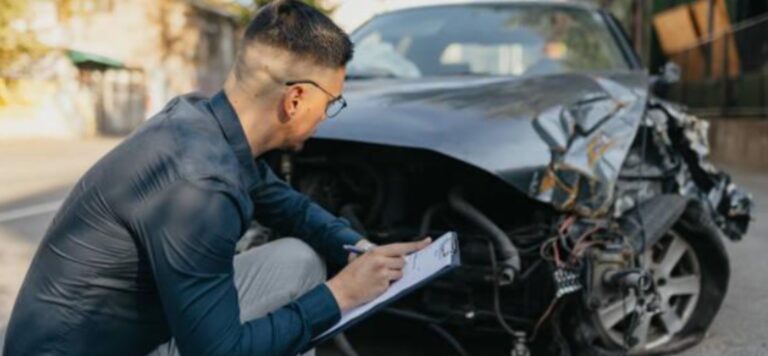
Evidence gathered right after the crash holds up better than anything collected later, especially in areas where fault can be harder to sort out. Take a few extra minutes here if you’re able to.
- Photograph all vehicles from multiple angles
- Capture the traffic signals, signs, and lane markings nearby
- Take pictures of skid marks or debris on the road
- Note the time of day and weather conditions
- Write down what you remember while it’s still fresh
This documentation becomes especially useful if the other driver’s version of events doesn’t match yours.
Exchange Information and Talk to Witnesses
Get the other driver’s name, phone number, insurance company, and license plate number. Avoid getting into an argument about who caused the crash, since that’s not your job to sort out at the scene.
If anyone nearby saw what happened, ask for their name and contact information too. Witnesses can be hard to track down later, so getting their details on the spot is worth the extra effort.
Avoid Common Mistakes at the Scene
A few missteps can hurt your case without you realizing it in the moment. Staying aware of these can protect you later.
- Don’t admit fault or apologize in a way that sounds like an admission
- Don’t skip medical care just because you feel okay right away
- Don’t let vehicles get moved before photos are taken
- Don’t leave without getting the other driver’s insurance information
- Don’t agree to handle things “off the record” without police involved
Report the Accident and Follow Up
Once you’re safe and the scene is documented, contact your insurance company to report the accident. Stick to the facts and avoid guessing about details you’re not sure of yet.
Follow up with a doctor in the days after, even if you felt fine at the scene, since some injuries take time to show symptoms. Keep copies of the police report, photos, and any medical records in case you need them later.
Key Takeaways
- Check for injuries first, then move your vehicle out of traffic if possible.
- Always call the police and get an official report, even for minor crashes.
- Photograph the scene before anything gets moved.
- Exchange information with the other driver and any witnesses.
- Avoid admitting fault or agreeing to handle things without police.
- Report the accident to your insurance company as soon as possible.
- Follow up with medical care even if you don’t feel hurt right away.