From the brushstrokes of Renaissance masters to bold modern expressions, famous paintings have shaped the way we understand art, culture, and history. These iconic works didn’t just capture moments or faces, each fundamentally transformed artistic techniques, influenced generations of painters, and pushed the boundaries of visual storytelling.
How Famous Paintings Shaped the Story of Art?
Every era in art history introduced breakthrough approaches that expanded artistic expression. Painted masterpieces became cultural touchstones that challenged conventions, inspired copyists and innovators, and influenced global aesthetics. What makes a painting go beyond beauty to historical influence involves innovation, cultural context, and resonance with audiences worldwide.
Top 10 Famous Paintings
| Painting Title | Painter | Era/Movement | Impact |
| Mona Lisa | Leonardo da Vinci | Renaissance | Breakthrough in realism & portraiture |
| The Starry Night | Vincent van Gogh | Post‑Impressionism | Emotional expression & color style |
| Les Demoiselles d’Avignon | Pablo Picasso | Cubism | Modern perspective revolution |
| Guernica | Pablo Picasso | Cubism/Modern | Political power & anti‑war voice |
| The Birth of Venus | Botticelli | Early Renaissance | Mythological reinterpretation |
| The Last Supper | Leonardo da Vinci | Renaissance | Narrative composition innovation |
| The Hay Wain | John Constable | Romanticism | Landscape painting prominence |
| Girl with a Pearl Earring | Vermeer | Dutch Baroque | Light mastery & intimate realism |
| American Gothic | Grant Wood | American Regionalism | Cultural identity art |
| Water Lilies | Claude Monet | Impressionism | Light and atmosphere technique |
1. Mona Lisa — The Most Famous Painting of All Time
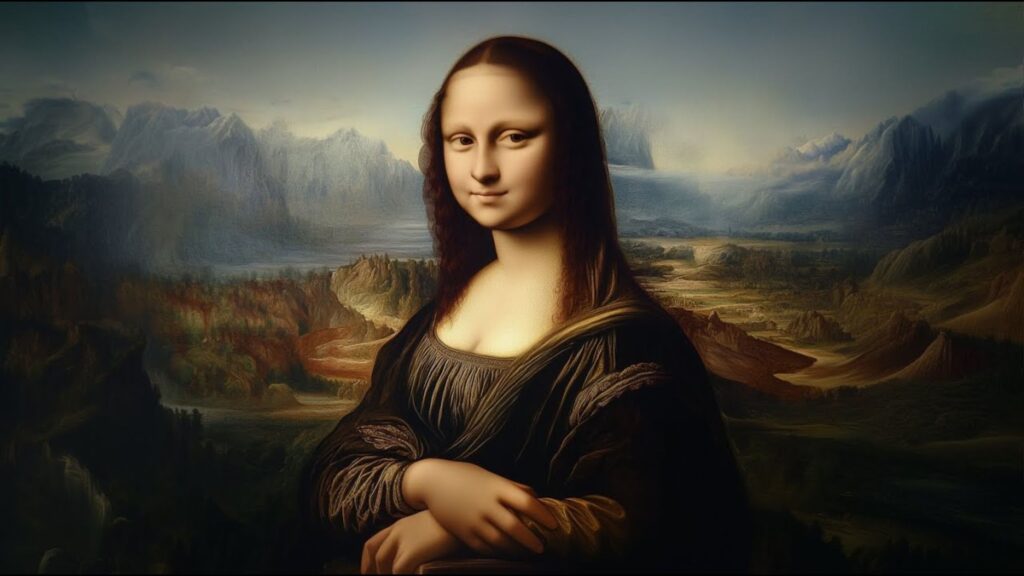
Leonardo da Vinci’s Mona Lisa is arguably the most recognized work in the world. Painted between 1503 and 1506, this masterpiece set new standards for portrait painting. The sitter’s enigmatic smile and subtle sfumato technique revolutionized realism.
Why Mona Lisa Painting Is Famous
More than half a millennium after its creation, people still ask why monalisa painting is famous. Its fame grew not just from artistic merit, but dramatic events like its 1911 theft, global media coverage, and endless speculation about the sitter’s identity.
Leonardo’s innovation in atmospheric depth and the psychological engagement of the subject made this portrait a benchmark in art history.
2. The Starry Night — A Window Into Emotion
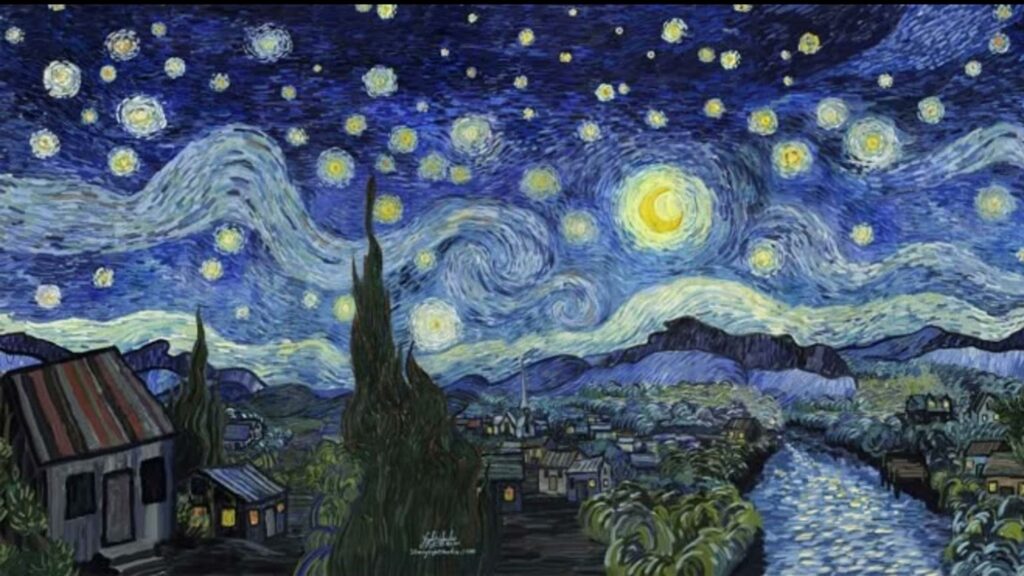
One of Vincent van Gogh’s masterpieces, The Starry Night captures emotional depth through swirling skies and vivid colors. Painted while van Gogh stayed in a French asylum, this piece shows famous landscape paintings infused with expressive intensity.
Rather than copying nature, van Gogh used bold hues and dynamic brushwork to convey inner experience, a shift away from traditional representation.
3. Les Demoiselles d’Avignon — Birth of Cubism
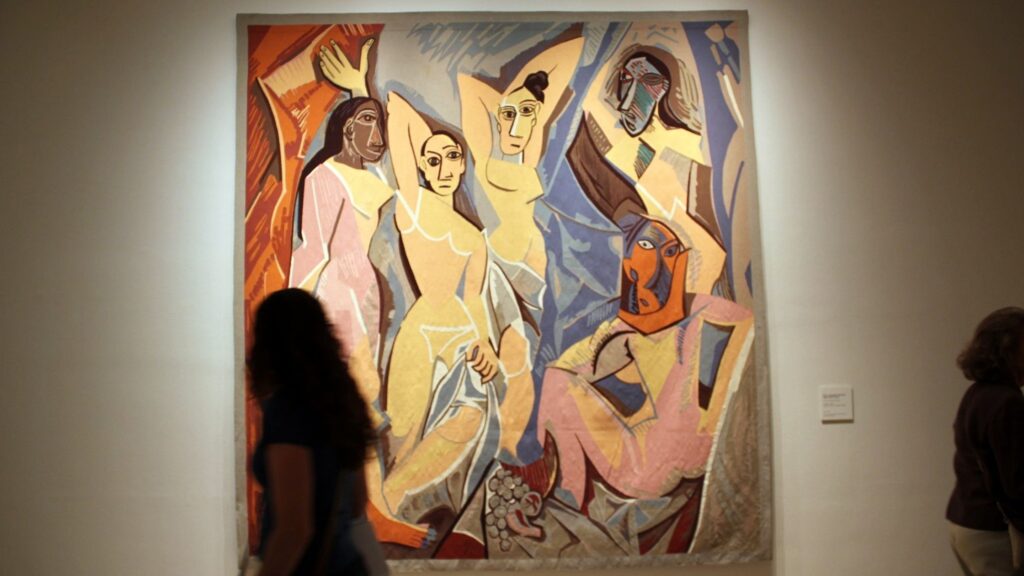
Pablo Picasso’s Les Demoiselles d’Avignon shattered classical perspective and introduced radical fragmentation of forms, laying the foundation for Cubism.
This painting represented a seismic shift: instead of illusionistic space, Picasso broke subjects into geometric shapes, changing how artists visualized three‑dimensional space on a flat canvas.
4. Guernica — Art as Protest
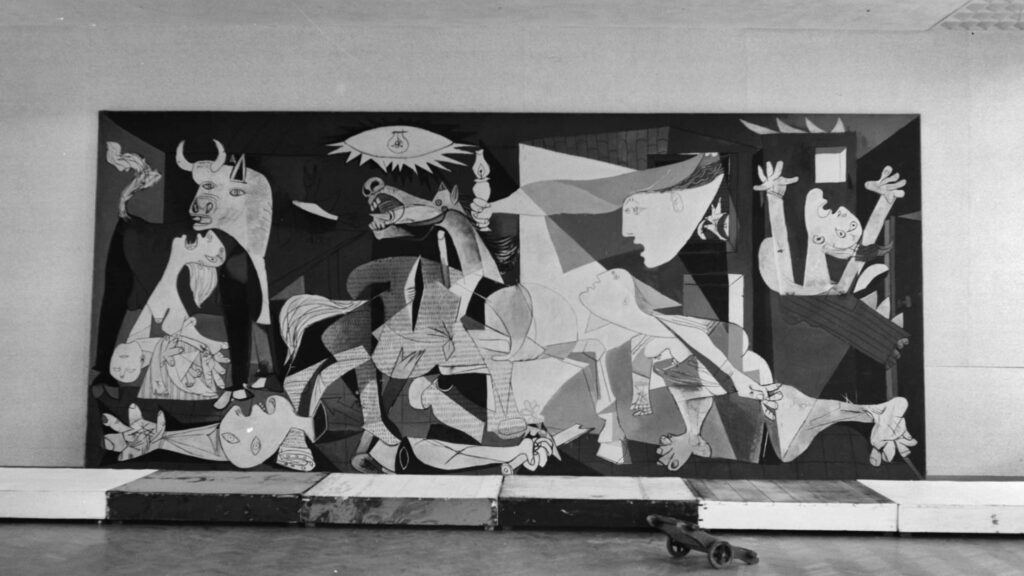
Painted in 1937, Guernica remains one of the most powerful anti‑war artworks ever made. Responding to the bombing of Guernica during the Spanish Civil War, this monumental piece uses stark monochrome tones and fragmented imagery to condemn violence.
Its emotional force and political resonance make it one of the top 10 Picasso famous paintings that didn’t just innovate stylistically, but also redefined art’s role in society.
Distinct Movements Influenced by These Works
Many of the paintings above influenced entire movements:
- Renaissance Masters ushered in balanced composition, scientific observation, and humanist expression.
- Impressionists liberated brushwork to capture light and atmosphere.
- Cubists dismantled spatial conventions.
- Modernists harnessed art for social commentary.
5. The Birth of Venus — Myth and Beauty Redefined
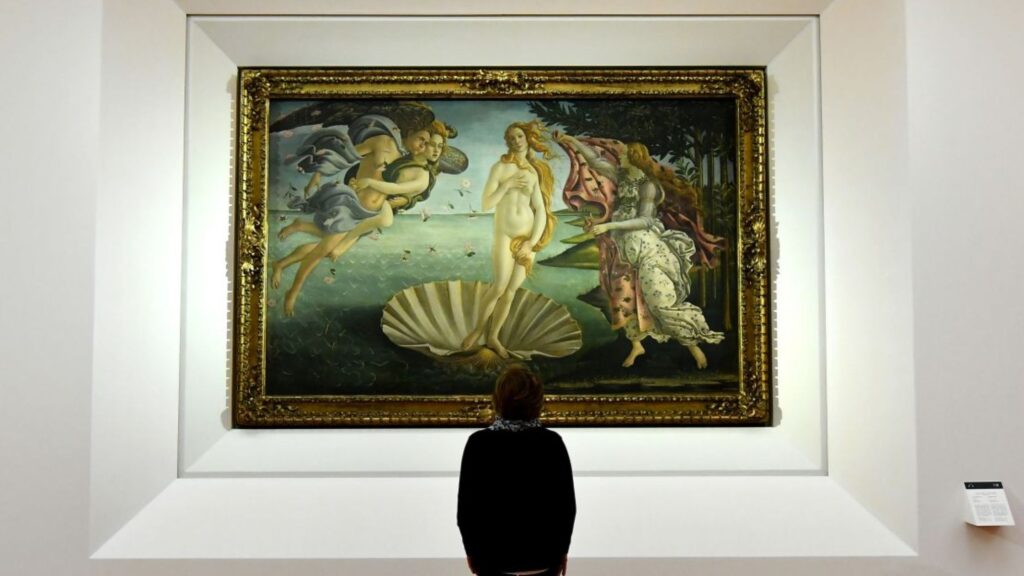
Sandro Botticelli’s The Birth of Venus brought mythological subject matter to center stage during the early Renaissance. Breaking from strictly religious themes, this painting celebrated classical beauty and narrative poetry.
It helped spark a renewed interest in ancient culture and artistic exploration beyond biblical scenes.
6. The Last Supper — Narrative & Composition Breakthrough
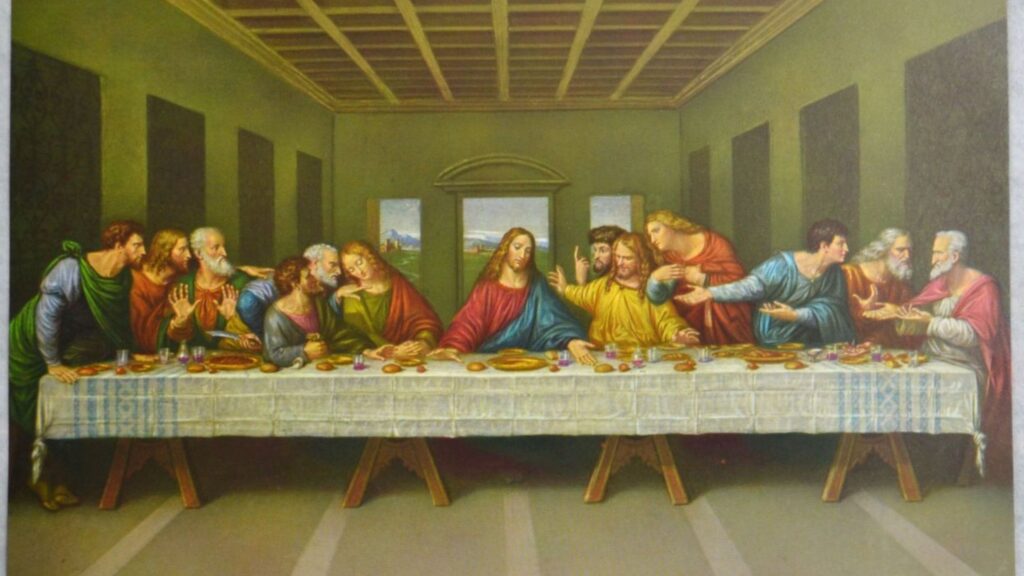
Leonardo da Vinci’s The Last Supper isn’t just a religious image, it’s a painter’s exploration of time and emotion. His arrangement of figures and use of perspective gave dramatic clarity to a narrative moment, influencing countless narrative paintings afterward.
7. The Hay Wain — Landscape Painting’s Triumph
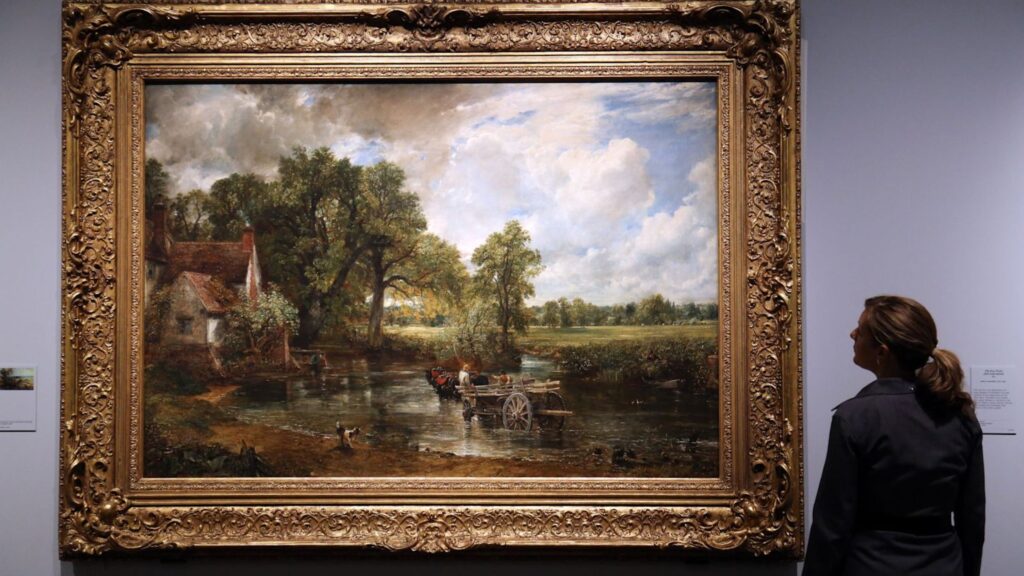
John Constable’s The Hay Wain is a defining work among famous landscape paintings. It elevated rural scenes and nature itself to artistic prominence.
Unlike idealized lands of earlier eras, Constable’s view of English countryside expressed affection for environment and human connection to land.
8. Girl with a Pearl Earring — Luminous Intimacy
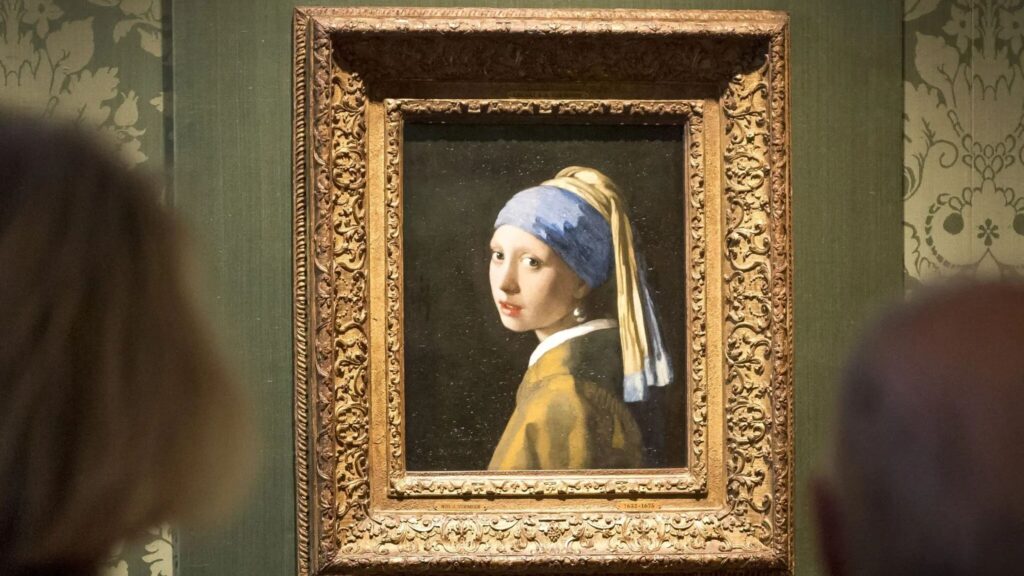
Johannes Vermeer’s Girl with a Pearl Earring is often dubbed the “Dutch Mona Lisa.” Its quiet intimacy and masterful treatment of light made it instantly iconic.
Though technically a tronie rather than a formal portrait, this painting demonstrated how light, gaze, and simplicity could create unforgettable emotional impact.
9. American Gothic — A Cultural Symbol
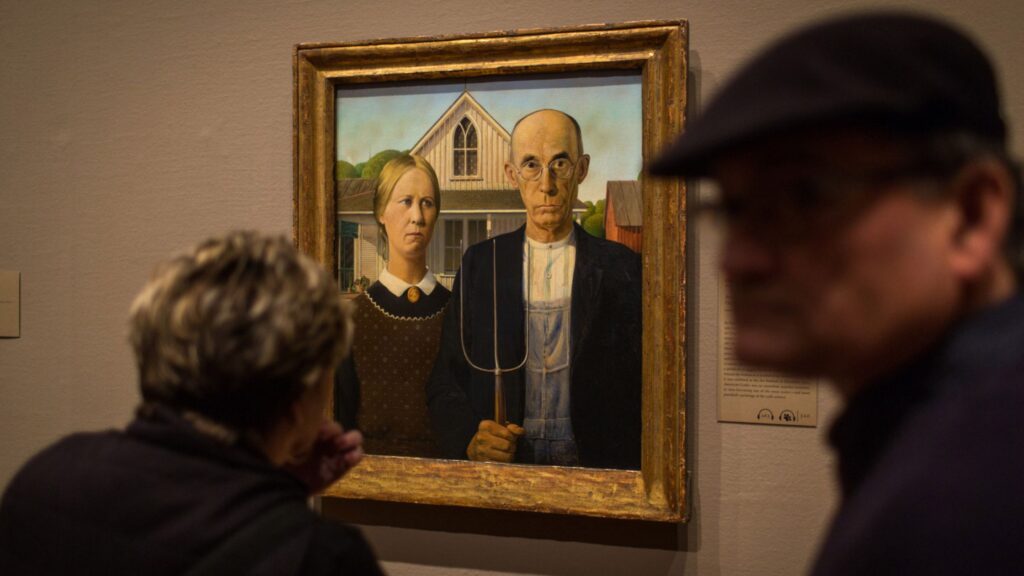
Grant Wood’s American Gothic became emblematic of American identity. Painted during the Great Depression, its stark realism and character portrayal connected with audiences in ways few works did before.
While not as old as other works listed, it remains one of the most universally recognized paintings in US cultural history.
10. Water Lilies — Impressionism’s Legacy
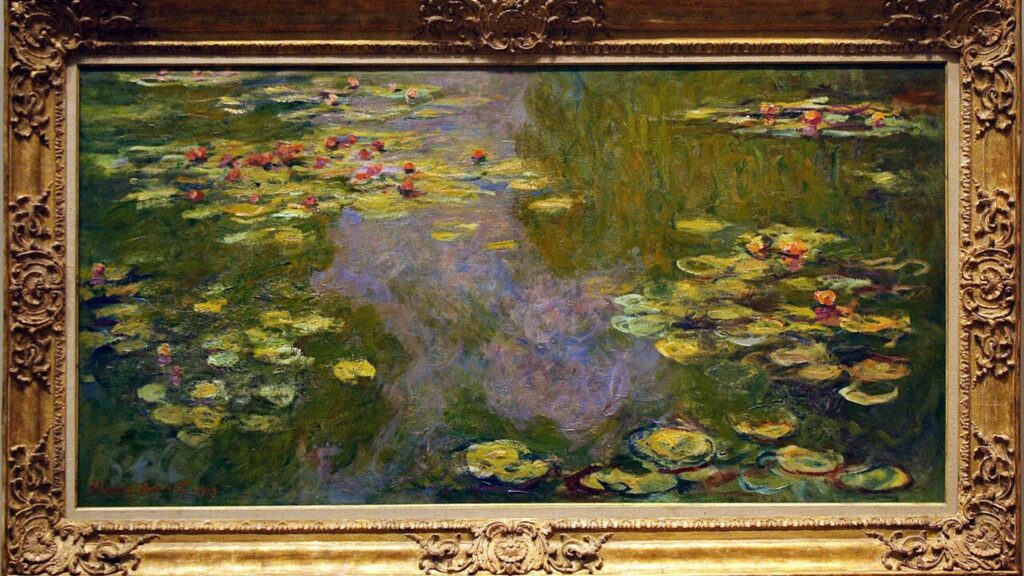
Claude Monet’s Water Lilies series transformed how artists captured light, movement, and perception. Immersive and visually expansive, these scenes celebrate fleeting moments in nature through color and reflection.
Monet’s approach encouraged countless artists to value personal interaction with light and environment in their representations.
Explore how creative practice like diamond painting can reconnect you with art and mindfulness.
Influence of These Paintings on Art Movements
| Movement | Influential Painting | Core Contribution |
| Renaissance | Mona Lisa | Realism & humanism |
| Post‑Impressionism | The Starry Night | Emotional inner vision |
| Cubism | Les Demoiselles d’Avignon | Multi‑faceted perspective |
| Impressionism | Water Lilies | Light & sensory experience |
| Romanticism | The Hay Wain | Nature & rural celebration |
Conclusion:
These famous paintings are not just masterpieces of their time; they are transformative works that shaped the course of art history. Each one brought something new to the table, be it through innovative techniques, bold narratives, or emotional depth. Whether it’s Picasso’s Cubism in Les Demoiselles d’Avignon or van Gogh’s emotive brushwork in The Starry Night, these paintings have forever changed the way we view art. They continue to inspire, provoke thought, and spark conversation across the globe.
If you’re looking to dive deeper into the world of art and discover more about the power of creativity, head over to Grey Journal and explore our insightful articles. We’re here to fuel your artistic passion!
Frequently Asked Questions (FAQs)
1. What qualifies a painting as one of the most famous paintings in history?
A painting gains lasting fame through widespread recognition, innovative technique, cultural impact, influence on other artists, and historical importance. Works like Mona Lisa and Guernica reshape artistic conventions and public perception.
2. Which painting is considered the most famous in the world?
While debates exist, Leonardo da Vinci’s Mona Lisa is widely regarded as the most famous painting worldwide due to its global recognition, unique technique, and historical narratives behind its fame.
3. Why did Picasso’s art change the course of art history?
Picasso’s radical departure from traditional perspective, especially in works like Les Demoiselles d’Avignon, challenged classical representation and helped establish Cubism, making him a transformative figure in 20th‑century art.
4. What made The Starry Night so influential?
The Starry Night broke from realistic representation, using expressive color and swirling forms to convey psychological depth, inspiring future movements that valued emotional expression.
5. Are landscape paintings like The Hay Wain as important as portraits?
Yes, Famous landscape paintings like The Hay Wain transformed public appreciation for nature and influenced entire schools of thought that valued outdoor, atmospheric representation.