

Right now, nearly half of all working Americans are earning money from something their employer knows nothing about. According to a 2026 survey by Intuit QuickBooks that polled more than 3,000 U.S. adults, 47% earned income from a side hustle in the past 12 months. But here is the number that matters: only one in five of those people ever registered their business.
That means millions of Americans are running real operations, collecting real revenue, and building real customer bases without filing a single piece of paperwork. Economists and researchers are calling them “invisible entrepreneurs,” and they represent what may be the largest informal economy the United States has ever seen.
Why 33% of Americans Plan to Start a Business This Year
The QuickBooks survey found that 33% of U.S. adults plan to launch a business or side hustle within the next 12 months. That figure represents a 94% jump from the previous year. Gen Z leads the charge at 43% entrepreneurial intent, while Millennials feel the most urgency at 74%. More than half of respondents said they would launch even if economic conditions stayed uncertain.
The reasons are practical, not aspirational. Wages have stagnated in many sectors, and the cost of living keeps rising. For people like Ted Raad, the Nashville-based founder of influencer marketing agency Trend, the side hustle was a low-risk test before going full time. Today his agency represents over 130 creator clients and secures approximately $80 million in brand deals every year.
Ginni Saraswati-Cook followed a similar path. She started hosting a podcast as a side project, then turned that experience into Ginni Media, an award-winning podcast production agency that now generates roughly $50,000 in monthly revenue. Neither of these founders needed permission from a VC or a bank. They started with a laptop and a few hours per week.
The Tools That Make Invisible Entrepreneurship Possible
Ten years ago, starting a business required capital, a storefront, or at the very least a business license and a dedicated bank account. In 2026, the barriers have collapsed. Shopify handles e-commerce. Canva handles design. ChatGPT writes copy. Notion runs project management. TikTok Shop lets anyone sell products to millions of people without spending a dollar on advertising.
More than 60% of aspiring entrepreneurs in the QuickBooks survey said they plan to use AI tools to help launch their businesses in 2026. That tracks with what is happening on the ground. Side hustlers are using AI to write product descriptions, generate social media content, handle customer service, and even build basic websites. The startup cost that most Americans imagine, $28,000 on average, is a myth. The median actual cost to start a business is just $12,000, and many side hustles require far less.
This is why so many people skip the paperwork entirely. When you can start earning money from your couch in a weekend, filing an LLC feels like a problem for later.
The Risks of Staying Invisible
There is a catch. Operating an unregistered business comes with real consequences that most side hustlers do not think about until it is too late.
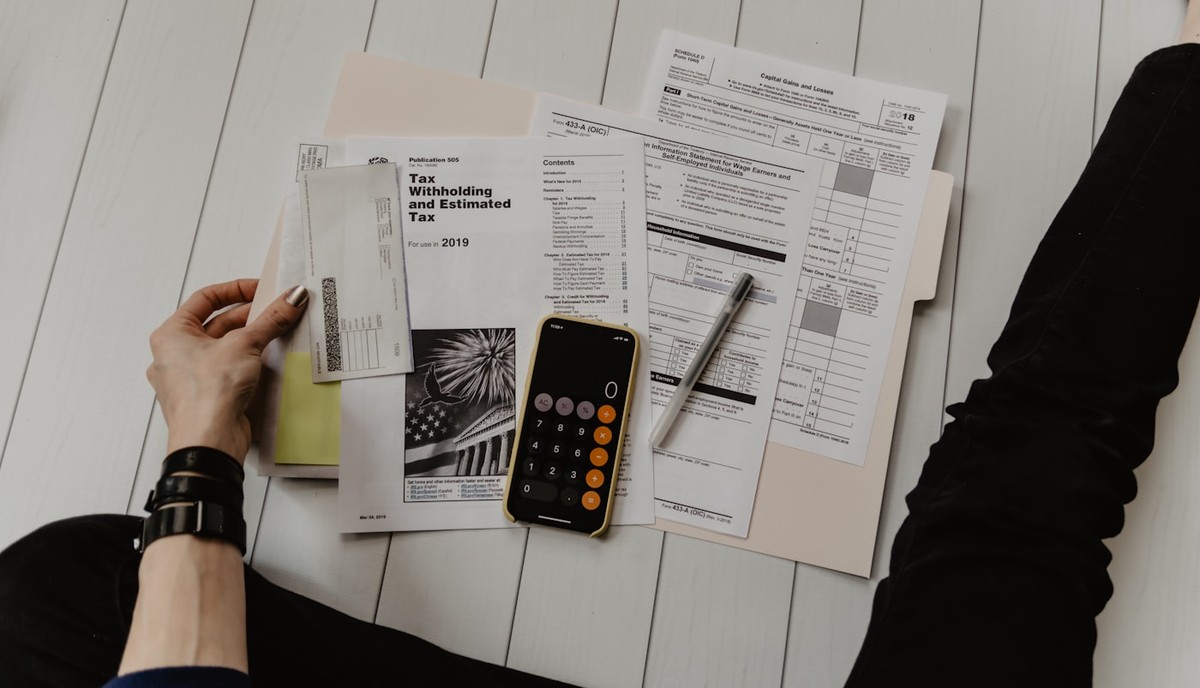
The IRS requires anyone earning more than $400 per year from self-employment to report that income and pay self-employment tax. Payment platforms like Venmo, PayPal, and Cash App now report transactions exceeding $5,000 to the IRS on Form 1099-K, with that threshold expected to drop to $600. If you are collecting money through these apps and not reporting it, the IRS already has a record of your income.
Beyond taxes, unregistered side hustlers have no liability protection. If a client sues you or a product causes harm, your personal assets are on the line. You also miss out on business deductions that could save you thousands of dollars per year. And you cannot qualify for business loans, lines of credit, or many grant programs without a registered entity.
Why This Generation Is Different
Previous generations treated entrepreneurship as a career change. You quit your job, wrote a business plan, and went all in. The invisible entrepreneur generation treats it as a layer. They keep their day job, run their side business during evenings and weekends, and only go full time once the revenue justifies the leap.
Dennis Tinerino of Los Angeles earns six figures annually from buying and selling domain names, often working just one to two hours per day. The Forrest family, Madden and Steven, turned a TikTok hobby of opening trading card packs into nearly $50,000 per month through their Bull Island Breaks account. These are not tech startups with pitch decks. They are ordinary people who found a niche and filled it.
The QuickBooks data confirms this shift. Money remains the top barrier, cited by 47% of respondents, but it is no longer the showstopper it once was. People are finding ways around it by starting small, reinvesting profits, and growing organically. The old model of raising money before earning money is being replaced by something more pragmatic.
What the Invisible Economy Means for the Future
The rise of one-person businesses is reshaping how the economy works. When nearly half the workforce has a secondary income stream, consumer spending patterns change. Risk tolerance changes. The power dynamic between employers and employees shifts, because people with side income have options that people without it do not.
For the invisible entrepreneurs themselves, the biggest decision is not whether to start. They have already started. The decision is whether to formalize what they have built. Registering a business unlocks tax advantages, liability protection, credibility with clients, and access to financing. It also forces you to treat your side hustle like what it actually is: a business.
The 2026 economy does not belong to the people with the biggest funding rounds or the flashiest launches. It belongs to the millions of people quietly building something real, one transaction at a time, whether anyone knows about it or not.


